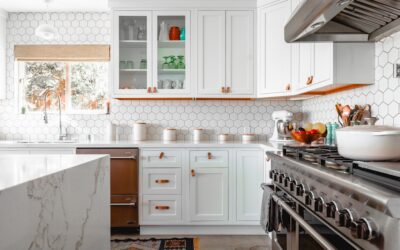
Swapping the pulls and knobs on your cabinets is the cheapest, fastest way to make a kitchen or bath feel new, and one name shows up again and again when you start shopping seriously. Richelieu cabinet hardware is a Canadian-based manufacturer whose catalog runs to thousands of pulls, knobs, hinges, and organizers sold through big-box stores, specialty showrooms, and directly to cabinet shops across North America. If you have browsed the hardware aisle at a home center or flipped through a designer’s sample board, you have almost certainly handled a Richelieu piece without knowing it. This guide breaks down what the brand offers, how the quality holds up, and how to pick the right size and finish for your project.
Part of our Kitchen Remodeling guide — explore the full guide →
Who Richelieu Is
Founded in 1968 and based in Quebec, Richelieu Hardware distributes to more than 100,000 customers across North America, from independent cabinetmakers to major retailers. The company both manufactures its own lines and imports curated collections, which is why the catalog is so vast. For a homeowner, the practical takeaway is selection: few brands offer this many styles, finishes, and sizes under one roof, which makes coordinating an entire kitchen far easier.
You can buy Richelieu at Home Depot, through online retailers, and via kitchen and bath showrooms. The showroom channel often carries the higher-end designer collections that never make it to the big-box shelf.
The Range of Products
Richelieu is not just pulls and knobs, though those are the headliners. The full catalog covers most of what a cabinet needs to function and look good.
- Cabinet pulls and knobs: from tiny 1-inch knobs to 18-inch appliance pulls, in contemporary, traditional, transitional, and rustic styles.
- Hinges and slides: concealed European hinges, soft-close mechanisms, and full-extension drawer slides.
- Functional storage: pull-out waste bins, lazy Susans, spice racks, and drawer organizers.
- Decorative and architectural pieces: hooks, brackets, and closet systems.
This breadth is the brand’s real advantage. You can outfit a whole kitchen, from the soft-close hinges to the 8-inch drawer pulls, in coordinated finishes from a single source.
Finishes and Styles
Finish is where Richelieu shines, offering dozens of options that let you nail a specific look. The most popular finishes track current design trends closely.
- Matte black: the go-to for modern farmhouse and transitional kitchens.
- Brushed and satin brass: warm, on-trend, and forgiving of fingerprints.
- Brushed nickel and stainless: the durable, neutral standard that suits almost any style.
- Champagne bronze and antique finishes: for traditional and vintage-leaning designs.
Because Richelieu offers the same pull profile in several finishes, you can settle on a shape you like and then audition it in black, brass, and nickel before committing. Order one sample of each; seeing the finish against your actual cabinet color beats guessing from a screen every time.
How the Quality Holds Up
Richelieu spans a wide quality spectrum because the catalog includes both budget imports and premium solid-metal lines. The value-tier pulls are typically hollow or lighter-gauge metal and are perfectly fine for a rental or a light-use bathroom. The mid and upper tiers use solid zinc alloy, brass, or stainless steel with substantial heft that feels genuinely upscale in the hand.
For a kitchen you use every day, spend a little more on solid metal pulls. The weight and finish durability are noticeably better, and a heavier pull resists the loosening and wobble that plague thin hollow hardware over years of daily tugging. Soft-close hinges and slides from Richelieu are well-regarded and competitive with the Blum and Grass mechanisms cabinet shops rely on.
What It Costs
Pricing runs the full gamut. Basic knobs start around $2 to $4 each, while standard bar pulls fall in the $4 to $12 range depending on length and finish. Designer and solid-brass collections climb to $15 to $30 per pull, and long appliance pulls for a refrigerator or pantry can top $40.
For a typical kitchen with 30 to 40 openings, budget $150 to $600 for mid-range hardware. Buying in bulk multipacks, which Richelieu offers for many popular pulls, brings the per-piece cost down meaningfully. Since you are buying a lot of identical pieces, even a couple of dollars saved per pull adds up across a whole kitchen.
Choosing the Right Size
The most common hardware mistake is buying pulls that are too small for the drawer or door. Scale matters more than most people realize. A good rule of thumb ties pull length to the drawer or door width.
- Small drawers (under 18 inches): a 3- to 4-inch pull or a single knob.
- Standard drawers (18 to 30 inches): a 5- to 8-inch pull.
- Wide drawers (over 30 inches): a 10- to 12-inch pull, or two knobs.
- Cabinet doors: a knob or a 3- to 5-inch pull, mounted a couple inches from the corner.
- Appliance panels: 12- to 18-inch appliance pulls for balance.
Check the “center-to-center” measurement, the distance between the two mounting screws, against your existing drilled holes if you want to avoid patching and re-drilling. Matching that dimension lets you swap hardware in minutes with just a screwdriver.
Installation Tips
Swapping cabinet hardware is one of the friendliest DIY jobs there is. For knobs and single-hole pulls, a cordless screwdriver and ten minutes per handful of cabinets is all it takes. For new pulls on undrilled doors or drawers, buy an inexpensive hardware jig, which is a drilling template that guarantees consistent placement and keeps every pull perfectly level. Measure twice, drill once, and back the drawer face with a scrap block so the bit does not blow out the finish on the inside. If you are matching new pulls to old holes, take the old pull to the store or measure the center-to-center spacing precisely before ordering. A single-hole knob is even simpler, requiring just one screw driven from inside the door or drawer, and it is the fastest way to refresh a cabinet in an afternoon.
For a project spanning an entire kitchen, work systematically to avoid mistakes. Remove all the old hardware first, fill and sand any holes you will not reuse, then mark and drill new positions with a jig so every pull lands at a consistent height. Keeping a small container to catch screws and old hardware prevents the frustrating hunt for a dropped screw behind an appliance, and labeling which pulls go where speeds a two-finish or two-tone plan considerably.
Mixing Finishes and Coordinating a Whole Kitchen
One reason Richelieu’s deep catalog is so useful is that it lets you coordinate an entire kitchen without hunting across brands. A popular current approach is to mix two finishes intentionally: brushed brass knobs on the upper cabinets paired with matte-black pulls on the lowers, or polished nickel on a perimeter run with unlacquered brass on the island. Because Richelieu offers the same pull profile across finishes, you can execute a two-tone plan while keeping the shapes consistent, which is what keeps a mixed-metal look feeling designed rather than accidental.
When you coordinate a full kitchen, decide on the pull style first, then carry it across every element that needs hardware, including the pantry, appliance panels, and any glass-front uppers. Keep the knob-versus-pull logic consistent too: pulls on all drawers and knobs on all doors is a classic, tidy rule. Order a couple of extra pieces beyond your final count, since finding an exact finish match years later for a replaced or added door can be difficult once a specific run is discontinued. Buying a small surplus up front is cheap insurance against a mismatched future.
The Bottom Line
Richelieu cabinet hardware earns its ubiquity through sheer selection, a deep bench of on-trend finishes, and a range that lets you outfit an entire kitchen from one source. The quality tracks the price, so lean toward the solid-metal lines for daily-use kitchens and save the budget pieces for lighter-duty spots. Order finish samples before you commit, size your pulls to your drawers rather than defaulting to small knobs, and match your existing hole spacing when you can. Get those basics right and a modest hardware budget will transform tired cabinets into something that looks freshly designed.