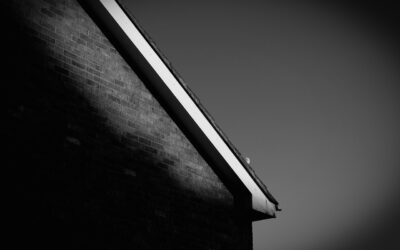
The roof eave — the portion of the roof that overhangs beyond the exterior wall — is one of the most underappreciated parts of your home’s weather defense system. It channels rainwater away from the foundation, protects siding from direct moisture exposure, and ventilates the attic to prevent ice dams and heat buildup. When eave components fail, the consequences cascade quickly: rotted fascia, pest entry, attic moisture damage, and expensive repairs that could have been avoided with basic maintenance.
Part of our Roofing guide — explore the full guide →
What Is a Roof Eave
The eave is the horizontal lower edge of a sloped roof that projects past the exterior wall. On most residential homes, the overhang extends 12-24 inches beyond the wall plane. Some architectural styles (craftsman, prairie) feature deeper eaves of 24-36 inches for more weather protection and a distinctive look.
Flat or very low-slope roofs may have minimal or no eave overhang, relying instead on gutters and flashing to manage water runoff. These designs are more common in modern and mid-century architecture.
Key Components of the Eave
Fascia Board
The vertical board that caps the end of the roof rafters along the eave line. Fascia serves as the mounting surface for gutters and provides a clean finished edge to the roof. Typically made from 1×6 or 1×8 wood (cedar, pine, or composite), though aluminum and PVC fascia are growing in popularity because they never rot.
Soffit
The horizontal underside panel that encloses the area beneath the eave overhang, connecting the fascia board to the exterior wall. Soffits are usually vented (with perforations or built-in vent strips) to allow air into the attic for proper ventilation. Materials include vinyl, aluminum, wood, and fiber cement. Vinyl soffit panels cost $2-$4 per linear foot installed and are the most common choice for replacement.
Drip Edge
A metal L-shaped flashing installed along the eave under the first row of shingles. It directs water into the gutter instead of allowing it to wick back under the shingles and rot the roof decking. Drip edge is required by code (IRC Section R905.2.8.5) on all asphalt shingle roofs. Aluminum drip edge costs about $0.50-$1.50 per linear foot.
Rafter Tails
The exposed ends of roof rafters that extend beyond the wall to form the structural overhang. In some designs, rafter tails are left exposed as a decorative element (common in craftsman and rustic styles). In standard construction, they are enclosed by the fascia and soffit.
Why Eaves Matter for Your Home
A well-designed roof eave performs several critical functions simultaneously:
- Foundation protection: A 12-inch overhang deflects rainwater 6-8 inches away from the wall base, significantly reducing splash-back that erodes soil and wets the foundation.
- Siding longevity: Direct rain hitting siding accelerates paint failure, wood rot, and caulk deterioration. Eave overhangs shield the upper portions of walls from the worst exposure.
- Attic ventilation: Vented soffits draw cool air into the attic, which rises to exit through ridge vents or gable vents. This airflow cycle reduces summer attic temperatures by 20-40 degrees F and prevents moisture condensation in winter.
- Ice dam prevention: Proper soffit ventilation keeps the underside of the roof deck cold, preventing snowmelt from refreezing at the eave and forming damaging ice dams.
Common Roof Eave Problems
Rotted Fascia
Overflowing gutters, failed paint, or missing drip edge allows water to saturate the fascia board. Softwood fascia (pine, spruce) can rot in as little as 3-5 years without paint protection. Press a screwdriver into the fascia — if it sinks easily, the board is compromised and needs replacement. A 16-foot section of primed fascia board costs $15-$30 at a lumber yard.
Soffit Damage and Pest Entry
Cracked, warped, or missing soffit panels create entry points for squirrels, birds, bats, and insects (especially carpenter bees and wasps). Inspect soffits from the ground with binoculars twice per year — spring and fall. Gaps as small as 1 inch are enough for most pest species to enter the attic.
Blocked Soffit Vents
Insulation blown too close to the eave blocks the soffit vents and kills attic airflow. Install rafter baffles (Styrofoam chutes, about $1 each) between every rafter bay at the eave to maintain a clear air channel from the soffit vent to the attic space above the insulation.
Missing or Damaged Drip Edge
Homes built before 2012 may not have drip edge installed — it was not universally required by code until then. Without it, water running off the shingles clings to the fascia and roof decking via capillary action, accelerating rot. Adding drip edge to an existing roof is a straightforward repair that costs $200-$500 for a typical home when done during a roof replacement or gutter installation.
How to Repair Eave Components
Most eave repairs are within reach for a confident DIYer with a ladder and basic tools.
- Replace rotted fascia: Remove the gutter section, pry off the damaged fascia, and nail a new pre-primed board in place. Use stainless steel ring-shank nails for hold strength. Prime and paint all six sides of the board before installation for maximum moisture resistance.
- Replace soffit panels: Vinyl soffit snaps into a J-channel mounted to the wall and the fascia. Slide out the damaged panel and snap in a replacement. Match the vent style (solid or perforated) to what was originally installed.
- Seal gaps: Caulk small gaps (under 1/4 inch) with paintable exterior caulk. Fill larger gaps with galvanized steel mesh before caulking to prevent pest entry.
- Add rafter baffles: Staple a polystyrene baffle between each rafter pair at the eave, extending from the soffit vent area at least 24 inches past the exterior wall top plate.
When to Hire a Professional
Call a roofing contractor or carpenter for eave repairs that involve structural rafter damage, extensive rot in the roof decking, or work on a multi-story home where ladder safety is a concern. Professional fascia and soffit replacement typically costs $6-$20 per linear foot for labor and materials, depending on the material choice and accessibility. For a full roof eave overhaul on a 1,500 square foot home (approximately 160 linear feet of eave), budget $1,500-$3,500 for a complete fascia, soffit, and drip edge replacement.