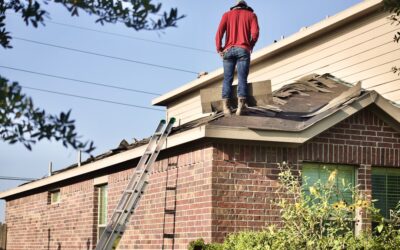
Two roofs get installed on the same street in the same month with the same shingles. One fails at year 17, the other cruises past 27. The difference is rarely the product — it’s roof maintenance, or the lack of it. A roof is a system of shingles, flashing, ventilation, and drainage, and small neglected problems in any one part quietly shorten the life of the whole thing. The good news: keeping a roof healthy takes about four hours a year, most of it from the ground or inside the attic, and almost none of it requires walking the shingles. Here is the seasonal routine that actually moves the needle.
Part of our Roofing guide — explore the full guide →
- Why Twice a Year Is the Magic Number
- The Ground-Level Walk-Around (20 Minutes)
- Gutters: The Most Important Chore Nobody Ranks First
- Trees, Moss, and the Shade Problem
- The Attic Check: Half of Roof Maintenance Happens Inside
- Small Repairs to Make Immediately, Not "Eventually"
- Adjusting the Routine for Non-Asphalt Roofs
- Storm Response: The Unscheduled Check
- What a Professional Tune-Up Adds
Why Twice a Year Is the Magic Number
Roofing manufacturers and the National Roofing Contractors Association both recommend checkups in spring and fall, and the timing isn’t arbitrary. The fall pass prepares the roof for its hardest season — clearing gutters before leaf-drop finishes and ice sets in, and confirming everything is sealed before freeze-thaw cycles start prying at weak points. The spring pass finds what winter did: lifted shingles, popped nails, flashing worked loose by ice, and any leaks that started under snow cover. Add a quick binocular scan after any storm with hail or 50+ mph gusts, and you’ll catch the vast majority of problems while they’re still $100 problems.
The Ground-Level Walk-Around (20 Minutes)
Grab binoculars and circle the house slowly, checking each slope in good light. You’re looking for pattern breaks:
- Missing, cracked, cupped, or curling shingles, and tabs lifted at the corners
- Dark streaks (algae), green patches (moss), or bald spots where granules have worn away
- Nail heads catching sunlight — popped fasteners telegraph through the shingle above
- Sagging along the ridge or a wavy plane in the field, which signals decking or structural trouble
- Rust stains or lifted metal at valleys, chimney flashing, and pipe boots
- Granule piles at downspout outlets — light shedding is normal, heavy accumulation means the shingles are aging out
Photograph anything questionable with your phone at full zoom. A dated photo library of your own roof is surprisingly valuable — it shows you whether that curled shingle is new or has looked that way for three years, and it documents condition for insurance.
Gutters: The Most Important Chore Nobody Ranks First
Clogged gutters kill more roof edges than hail. When water backs up over the gutter lip, it soaks the fascia board, wicks into the ends of the decking, and in cold climates feeds the ice dams that push meltwater up under the shingle courses. Clean gutters twice a year minimum — more under heavy tree cover — and flush the downspouts with a hose until water runs freely at the bottom. While you’re at the eave, check that gutter spikes or hidden hangers are tight and that the gutter still slopes toward the downspout (a quarter inch per 10 feet is the target). Sagging sections that hold standing water breed mosquitoes in summer and ice loads in winter. If ladder work isn’t happening realistically twice a year, quality gutter guards ($5 to $12 per foot installed) pay for themselves in avoided fascia repairs.
Trees, Moss, and the Shade Problem
Keep branches trimmed at least 6 feet from the roof surface. Overhanging limbs do three kinds of damage: they abrade granules every windy day, they drop the debris that clogs valleys and gutters, and they cast the persistent shade that moss needs. Moss is not cosmetic — its root-like rhizoids lift shingle edges and hold moisture against the mat, and prying off a thick colony usually takes granules with it. Treat moss with a dedicated killer such as Wet & Forget or a zinc-based product, let it die and release, then brush debris downslope gently with a soft broom. Never pressure-wash asphalt shingles; a 2,500-psi wand strips years of granule life in one afternoon. For long-term prevention on chronically shaded slopes, zinc or copper strips installed near the ridge ($30 to $60 in materials) release metal ions with each rain that suppress regrowth.
The Attic Check: Half of Roof Maintenance Happens Inside
Twice a year, take a flashlight into the attic — once on a sunny day, once during or just after hard rain. On the sunny visit, kill your flashlight first and look for pinpoints of daylight through the decking, then inspect for water staining on the sheathing, rusty nail tips, compressed or discolored insulation, and mold shadows near the eaves. On the rainy visit, listen and look for active drips at penetrations. Check that soffit vents aren’t blocked by insulation and that bathroom fans duct all the way outside rather than dumping steam into the attic. Frost on nail tips in winter or a baking 130°F attic in summer both point to ventilation problems, and poor ventilation cooks asphalt shingles from below while voiding many manufacturer warranties. Fixing airflow is roof maintenance just as much as replacing a shingle is.
Small Repairs to Make Immediately, Not “Eventually”
Certain findings should trigger a same-month fix because they escalate fast. Exposed or popped nail heads get pulled, re-driven nearby, and sealed with polyurethane roof sealant ($8 a tube). Cracked rubber pipe boots get replaced or covered with a slip-over repair collar before the next rainy season. Lifted shingle tabs get re-bonded with a quarter-size dab of roofing cement under each corner. Loose or dried-out sealant at counterflashing gets raked out and re-sealed. Every item on that list is a sub-$50 DIY task or a minimum-charge service call — and every one of them becomes decking rot, wet insulation, and stained ceilings if it rides through a full winter unfixed.
Adjusting the Routine for Non-Asphalt Roofs
The twice-a-year rhythm holds for every roof, but the checklist shifts with the material. Metal roofs trade shingle checks for fastener checks: on exposed-screw panels, thermal cycling backs screws out and ages their rubber gaskets, so scan for proud screw heads and rust freckles at cut edges, and plan a professional re-screw around year 15 to 20. Keep debris out of metal valleys religiously — wet leaf mats hold moisture against the coating and start corrosion where nothing else could. Tile and slate flip the rule about walking the roof: don’t. Both crack underfoot, so all inspection happens with binoculars or a drone, watching for slipped, cracked, or missing pieces and for failing metal flashings, which on a 75-year slate roof will die two or three times before the stone does.
Wood shakes want airflow and shade management more than anything — moss and trapped debris rot cedar fast, and a copper or zinc ridge strip earns its keep within a couple of seasons. Flat and low-slope membranes concentrate the entire maintenance job into two tasks: keep every drain and scupper clear, and check the seams and perimeter flashings each visit, since standing water finds any opening. Whatever the surface, the attic-side checks, gutter schedule, and tree trimming stay identical — the physics of water doesn’t care what’s on top.
Storm Response: The Unscheduled Check
Between the spring and fall passes, weather sets its own appointments. After hail of quarter size or larger, walk the property looking at soft evidence first: dented gutters and downspouts, bruised deck rails, shredded window screens, pockmarked AC fins. Those tell you whether the roof likely took hits worth a professional inspection, because hail bruises on shingles are nearly invisible from the ground. After wind events over about 50 mph, do the binocular scan for lifted or creased tabs and check the yard for shingle pieces — a creased shingle is a broken shingle even when it lies back down flat. Document the storm date either way. If damage later surfaces, that date anchors the insurance claim, and most policies limit filing windows to six months or a year.
What a Professional Tune-Up Adds
Even diligent homeowners benefit from a professional maintenance visit every two to three years — annually once the roof passes 15 years old. For $150 to $400, a roofer walks every slope, reseals flashings and exposed fasteners, replaces a handful of damaged shingles, clears valleys, and flags developing issues with photos. That cadence matters for paperwork too: some extended manufacturer warranties require documented periodic maintenance, and a folder of inspection receipts strengthens both insurance claims and resale disclosures. Spread across the years it adds, professional upkeep costs pennies per day against a $9,000 to $16,000 replacement.
None of this is glamorous work. But the arithmetic is lopsided: four hours a year and occasional small repairs, against a decade of extra service life. The best roof money you’ll ever spend is the money that keeps you from needing a roof.