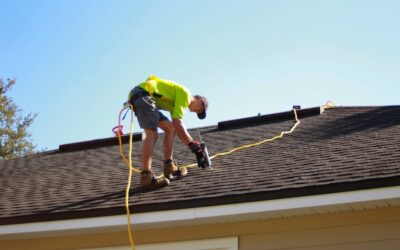
Roof repair quotes swing wildly, and homeowners get burned because they have no baseline to judge a number against. This roof repair cost estimator gives you that baseline, breaking down what typical fixes cost so you can tell a fair bid from a padded one. Most repairs land between $150 and $1,500, with the national average around $400 to $1,200, but the exact figure depends on the problem, the roofing material, the pitch, and how many stories up the damage sits. Knowing the ranges before the contractor arrives puts you in control of the conversation.
Part of our Roofing guide — explore the full guide →
How to Use a Roof Repair Cost Estimator
An estimate is built from a few variables, and understanding them lets you sanity-check any quote. The biggest drivers are the size of the damaged area (measured in squares, where one square equals 100 square feet), the roofing material, the roof pitch, accessibility, and local labor rates. A minor repair on a walkable single-story asphalt roof is cheap; the same repair on a steep three-story slate roof costs several times more because of safety equipment and specialized labor.
Labor typically makes up 60 percent or more of a repair bill. Contractors often charge a minimum service call of $150 to $400 just to show up, which is why tiny repairs cost more per square foot than large ones.
Cost by Type of Repair
Breaking the estimate down by problem is the most useful way to budget. Here are the common repairs and their typical all-in ranges.
- Minor leak repair: $150 to $600, depending on how hidden the source is.
- Replacing missing or damaged shingles: $150 to $700 for a small area.
- Flashing repair or replacement: $200 to $600 around chimneys, vents, and valleys.
- Fixing a sagging or damaged section: $400 to $2,000 if decking is involved.
- Repairing gutters tied to roof drainage: $150 to $700.
- Chimney flashing and sealing: $300 to $1,000.
Leaks are the trickiest to price because the visible water stain rarely sits under the actual entry point; water travels along rafters before it drips. A good roofer prices the diagnosis and the fix separately when the source is uncertain.
Cost by Roofing Material
The material on your roof changes both the part cost and the skill required. Asphalt shingles are the cheapest and most common to repair; specialty materials cost far more and need specialists.
- Asphalt shingle: $150 to $700 for typical repairs, materials are cheap and widely stocked.
- Wood shake/shingle: $300 to $1,200, requires matching and hand-splitting.
- Metal roofing: $300 to $1,500, panel and fastener repairs need metal experience.
- Tile (clay/concrete): $400 to $2,000, tiles crack easily and must be matched.
- Slate: $500 to $3,000-plus, a specialized trade with premium labor.
Matching material is a hidden cost. On an older roof, finding shingles or tiles that match the weathered existing ones can be difficult, and a mismatched patch, while functional, is visible from the ground.
Factors That Push the Price Up or Down
Beyond material and repair type, several site conditions move the number. Roof pitch is a big one: a steep roof over 7:12 requires harnesses, staging, and slower work, adding 25 to 50 percent to labor. Height matters too, since a three-story or complex multi-gable roof is harder and riskier to access. Emergency or storm-season repairs command premium pricing when demand spikes.
Underlying damage is the wildcard that blows up budgets. If a leak has rotted the roof decking, the repair expands from swapping shingles to replacing plywood sheathing at $70 to $150 per sheet plus labor. This is why a thorough inspection before the quote protects you from mid-job surprises.
Repair vs. Replace: Running the Numbers
At some point patching stops making sense. Use a few guidelines. If your roof is under 15 years old and the damage is localized, repair. If it is over 20 years old, has damage in multiple areas, or you are patching leaks repeatedly, the money is better spent on replacement. A full asphalt reroof runs $8,000 to $18,000 for an average home, so if repairs are creeping toward a third of that and the roof is aging, replacement is the smarter play.
Multiple leaks, widespread granule loss (bald spots and granules filling the gutters), curling or cupping shingles across the whole roof, and daylight visible through the attic decking all point toward replacement rather than another round of repairs.
Emergency Repairs and Temporary Fixes
When a storm tears off shingles or a branch punches through the deck at midnight, you cannot wait a week for a permanent fix. Emergency tarping stops the bleeding, and most roofers charge $200 to $600 to install a professional tarp anchored with battens, or you can do it yourself with a heavy-duty poly tarp and furring strips for under $75 in materials. A tarp buys you two to four weeks to schedule the real repair and, just as important, it satisfies most insurance policies’ requirement that you take reasonable steps to prevent further damage.
Do not confuse a temporary fix with a permanent one. A tarp, a tube of roofing cement smeared over a crack, or a peel-and-stick patch will hold through a few storms but is not a substitute for correct flashing or shingle replacement. Use the temporary measure to protect the interior, then get the permanent repair on the calendar before the patch fails.
Once the emergency is stabilized, the next question most homeowners ask is whether they can handle the permanent repair themselves and save the labor, which is usually the larger half of any roofing bill. The honest answer depends heavily on the pitch of your roof, how many stories up the damage sits, and your comfort working at height, not just on the difficulty of the repair itself. A minor shingle swap that would be trivial on a walkable single-story ranch becomes genuinely dangerous on a steep two-story roof, and no amount of saved labor is worth a fall. It also depends on the nature of the problem: cosmetic and surface fixes are one thing, while anything touching the structural decking or a full valley is another. Weighing these factors realistically is what separates a smart DIY save from an expensive or hazardous mistake, so consider the following breakdown before you climb the ladder.
Some roof repairs are within reach of a handy homeowner, and doing them yourself can cut the bill to the cost of materials. Replacing a few blown-off asphalt shingles on a low-slope, single-story roof runs about $30 to $60 in materials if you already own a ladder and a pry bar. Resealing exposed nail heads or a small flashing gap with a quality polyurethane roof sealant is another reasonable DIY task, at $10 to $20 per tube.
Know your limits, though. Steep pitches, second and third stories, and anything involving structural decking or a full valley belong to a pro with fall protection and experience. A fall from a roof is life-changing, and a repair done wrong often leaks worse than the original problem, so factor the risk and your comfort with heights honestly. For most people, DIY makes sense only for minor, ground-accessible or low-slope work; everything else is worth the labor cost of a licensed roofer who carries insurance for exactly this kind of work.
Getting Accurate Estimates and Insurance Help
To turn these ranges into a real number, get at least three written estimates from licensed, insured local roofers. A legitimate estimate itemizes labor, materials, and any decking or flashing work separately, and it should follow an actual roof inspection, not a windshield glance. Be wary of storm-chasing contractors who knock on doors after a hailstorm demanding a signed contract on the spot.
If the damage came from a covered event like a storm, hail, or a fallen tree, your homeowners insurance may pay for the repair minus your deductible. Document the damage with photos, file promptly, and let the adjuster inspect before you authorize permanent repairs; a reputable roofer will meet the adjuster on the roof.
Budgeting Smart for Roof Repairs
The practical takeaway from any roof repair cost estimator is to keep a maintenance reserve so a $500 flashing fix does not become a $5,000 rot repair. Inspect your roof twice a year and after major storms, clear the gutters so water drains away from the fascia, and address small leaks immediately, because water damage compounds fast. Handled promptly, most roof problems stay in the few-hundred-dollar range. Ignored, they migrate into the decking, insulation, and ceilings below, turning a cheap repair into a major project, which is the single most expensive mistake a homeowner can make with a roof.