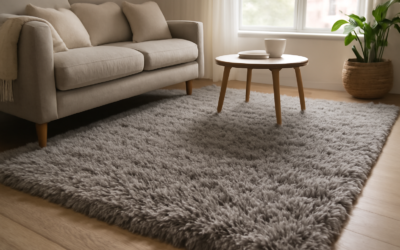
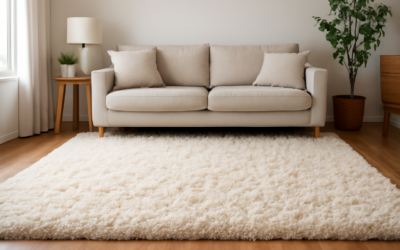
A round shag rug brings together two design ideas that work hard in a room: the soft, deep-pile texture of shag and the soft, circular shape that breaks up a space full of straight lines. Because a round shag rug draws the eye to a center point, it anchors seating areas, softens hard floors, and adds instant coziness underfoot. This guide covers how to pick the right one, where to place it, and how to keep it looking plush for years.
What Makes a Shag Rug Different
Shag refers to the pile, the height and density of the fibers standing up from the rug’s backing. A shag has a long pile, typically anywhere from about three-quarters of an inch to two inches or more, which gives it that signature deep, fluffy feel. Compared with a low-pile or flatweave rug, shag traps more air, feels warmer, and muffles sound, but it also shows footprints and needs a little more attention when cleaning.
The round format adds its own personality. Where rectangular rugs reinforce a room’s edges, a circle softens corners, guides foot traffic around a curve, and pairs naturally with round tables, curved sofas, and reading nooks. Together, the round shape and the shag texture make a rug that feels both modern and inviting.
Choosing the Right Size
Size is the single most common mistake homeowners make. A rug that is too small makes a room feel disjointed, like an afterthought floating in the middle of the floor. Measure your space and the furniture grouping before you buy.
- Small (around 3 to 4 feet): Works as an accent under a side table, in an entryway, or beside a bed.
- Medium (around 5 to 6 feet): Defines a compact seating area or sits under a round dining table for two to four people.
- Large (7 to 8 feet or more): Anchors a living room, fitting the front legs of surrounding furniture onto the rug.
For a dining setup, choose a diameter wide enough that chairs stay on the rug even when pulled out, usually at least four feet larger than the table. Tape out the circle on your floor before ordering so you can see the footprint in the actual room.
Materials and What They Mean for You
The fiber determines how soft the rug feels, how it wears, and how easy it is to live with. Each option carries trade-offs worth knowing before you spend.
- Wool: Naturally soft, resilient, and stain-resistant; springs back well and lasts for years, but costs more.
- Polyester: Affordable, plush, and available in rich colors; resists stains but can flatten faster under heavy traffic.
- Polypropylene (olefin): Durable, moisture-resistant, and budget-friendly, making it a good pick for casual rooms.
- Cotton: Soft and washable in smaller sizes, though it compresses more easily than wool.
- Faux fur and microfiber blends: Extremely soft underfoot and great for bedrooms, but less suited to high-traffic zones.
If allergies are a concern, look for tightly constructed piles and materials labeled as low-shedding, and plan to vacuum more often, since deep pile can hold dust and dander.
Best Rooms and Placement Ideas
The shape and texture of a round shag rug suit some spots better than others. Use it where softness and a focal point both add value.
- Living room: Center it under a coffee table within a circular or curved seating arrangement.
- Bedroom: Place a smaller one beside the bed so your feet land on something plush each morning, or center a large one under the foot of the bed.
- Reading nook: Anchor a single chair and floor lamp to carve out a cozy corner.
- Nursery or kids’ room: A soft round rug creates a comfortable, contained play zone.
- Entryway: A small round shag adds a warm welcome, though a low-pile option may handle dirt better at the door.
Keep deep-pile rugs away from kitchens and dining-spill zones unless you choose an easy-clean synthetic, and avoid placing them where doors will drag across the high pile.
Layering and Styling
A round shag rug layers beautifully over a larger flatweave or jute rug, adding texture and a defined center without overwhelming the floor. The contrast between a smooth base and a fluffy top creates depth that designers love. Echo the circle elsewhere in the room with a round mirror, a drum-shade lamp, or a curved accent chair to tie the shape into the overall look.
For color, neutral tones like ivory, gray, and taupe blend with most palettes and hide minor wear, while a bold jewel tone turns the rug into the room’s statement piece. Consider how much the rug will compete with patterned upholstery or busy wall art before committing to a strong color.
Cleaning and Maintenance
Deep pile needs a slightly different cleaning routine than a flat rug, but it is not difficult once you know the steps. Regular care keeps the fibers upright and the colors bright.
- Vacuum gently using a suction-only setting or a raised brush height; a strong beater bar can pull and tangle long fibers.
- Shake out smaller rugs outdoors to release trapped dust and debris from deep in the pile.
- Blot spills immediately with a clean cloth, working from the outside in, and avoid rubbing, which spreads the stain and mats the fibers.
- Spot-clean with a mild detergent and water, then blot dry, following any care label instructions first.
- Rotate the rug periodically so foot traffic and sunlight wear it evenly.
For deep cleaning, check whether your rug is machine washable, which is common for small synthetics, or whether it needs professional cleaning, which is typical for wool. A quality rug pad underneath reduces slipping, cushions your step, and helps the pile keep its shape over time.
Is a Round Shag Rug Right for You?
If you want warmth, softness, and a shape that adds visual interest, a round shag rug is a strong choice for living rooms, bedrooms, and cozy corners. The main trade-off is upkeep, since deep pile shows footprints and asks for gentle, regular vacuuming. Match the fiber to your traffic level, get the size right, and add a rug pad, and you will have a soft, inviting centerpiece that feels as good as it looks for many years.