A brown shag rug is one of the easiest ways to make a room feel instantly warmer, softer, and more inviting. With its deep, plush pile and earthy color, it grounds a space, hides the wear that lighter rugs reveal, and gives bare feet something cozy to land on. Whether you are styling a mid-century living room or warming up a sleek modern bedroom, brown shag has a timeless, lived-in appeal.
Shag has cycled in and out of fashion since the 1960s and 1970s, but the current versions are far more refined, with better materials and easier cleaning than the originals. Here is everything you need to choose, place, and maintain one.
What Defines a Shag Rug
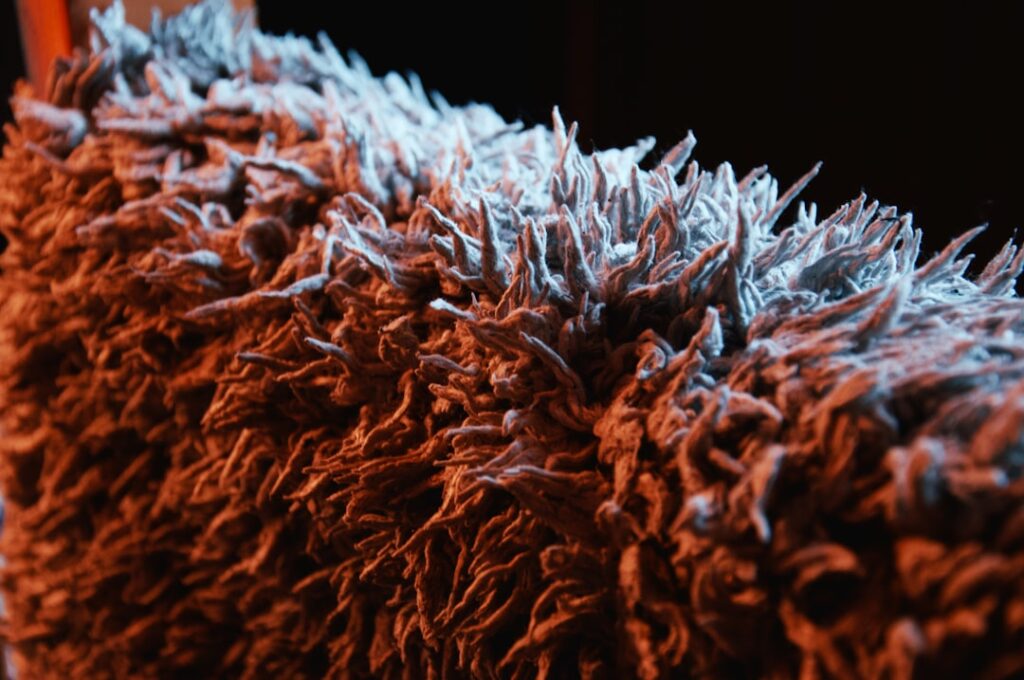
The word shag refers to the pile, the height and density of the fibers. A shag rug has long, loose strands, typically anywhere from about one inch to three inches tall, that create a fluffy, deep texture. Where a low-pile rug feels firm and flat, a shag invites you to sink in. That depth is exactly what makes it feel luxurious and what makes the brown tones look so rich, because the long fibers catch light and shadow across the surface.
Brown is a particularly forgiving color for shag. It spans an enormous range, from pale taupe and warm camel to chocolate, espresso, and nearly black walnut. That range lets you tune the mood of a room from soft and airy to dramatic and grounding without changing the rug’s basic character.
Why Choose Brown
- Hides dirt and wear: Brown disguises everyday foot traffic, crumbs, and pet hair far better than white or gray, making it ideal for busy households.
- Pairs with everything: As a neutral, it works with cream, cognac leather, deep green, navy, mustard, and warm metals.
- Adds warmth: Earthy tones make large or minimalist rooms feel cozier and more complete.
- Timeless: Unlike trend colors, brown rarely looks dated, so the rug stays relevant through redecorating.
Materials and What They Mean for You
The fiber determines how the rug feels, how it wears, and how you clean it.
- Polyester: The most common shag material. Soft, affordable, and naturally stain resistant, though it can flatten in high-traffic zones. Great for bedrooms and low-traffic living areas.
- Polypropylene (olefin): Budget friendly and moisture resistant, a good pick for basements or homes with kids and pets.
- Wool: The premium option. Naturally resilient, warm, and durable, wool shag springs back well and lasts for years, but costs more and needs gentler care.
- Viscose or silky blends: Extremely soft with a luxurious sheen, but more delicate and harder to clean, so reserve them for low-use spaces.
For a family room, a wool or quality polyester shag balances comfort and durability. For a guest bedroom you can lean into a softer, silkier blend.
Where to Use a Brown Shag Rug
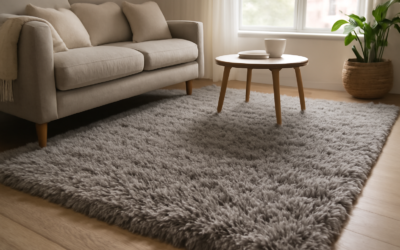
Shag is all about comfort, so place it where people sit, relax, or walk barefoot. Living rooms are the classic spot, anchoring a seating group with the front legs of the sofa and chairs resting on the rug. In bedrooms, a large shag under the bed or a pair of runners on either side gives you a soft first step in the morning.
Avoid high-spill zones like under a dining table, where food drops between the long fibers, and steer clear of busy entryways where grit gets ground deep into the pile. Kitchens and bathrooms are generally poor matches for long shag because of moisture and crumbs, though a small low-pile brown accent can work outside the sink area.
Sizing and Placement Tips
The right size makes the room look intentional. Use these common guidelines:
- Living room: An 8×10 or 9×12 rug lets at least the front legs of all seating sit on the rug, tying the arrangement together.
- Under a queen bed: A 8×10 placed so the rug extends 18 to 24 inches beyond the sides and foot of the bed.
- Smaller spaces: A 5×7 or 6×9 works as an accent in a reading nook or at the foot of the bed.
Leave a consistent border of exposed floor, roughly 8 to 24 inches, around the rug so it frames the room rather than wall-to-wall carpeting it. Always use a quality rug pad underneath. A pad keeps the rug from sliding, adds extra cushion, protects your floor, and helps the pile resist crushing.
Cleaning and Maintenance
Long pile needs a slightly different routine than a flat-weave rug, but it is not difficult once you know the rules.
- Vacuum gently: Use suction only or a vacuum with the beater bar turned off. Aggressive rotating brushes can pull and tangle long fibers. Vacuum once or twice a week.
- Shake it out: Smaller shags benefit from a good shake outdoors to release deep grit the vacuum misses.
- Blot spills fast: Press a clean cloth straight down to absorb liquid. Do not rub, which drives the stain deeper and mats the pile.
- Spot clean: Use a mild soap and water solution or a cleaner approved for the fiber, testing in a hidden corner first.
- Deep clean periodically: Wool and delicate blends are best handled by a professional rug cleaner. Many synthetic shags can be cleaned at home, but always follow the manufacturer’s label.
To revive flattened pile, fluff the fibers with your fingers or a wide-tooth pet rake, and rotate the rug every few months so foot traffic wears it evenly. Keep it out of constant direct sunlight, which can fade even brown tones over time.
Styling Ideas
A brown shag is a quiet workhorse that lets other pieces shine. Layer a smaller patterned rug on top for a collected, bohemian look. Pair a chocolate shag with cream and rust accents for a warm autumn palette, or set a light camel shag against charcoal furniture for soft contrast. In a mid-century room, the texture echoes walnut wood tones and leather beautifully.
Final Thoughts
A brown shag rug delivers comfort, warmth, and forgiving good looks in nearly any room you place it. Choose the fiber to match your traffic and budget, size it generously, protect it with a rug pad, and stick to a gentle cleaning routine. Do that, and you will have a soft, welcoming foundation that stays handsome for years and works through change after change in your decor.