
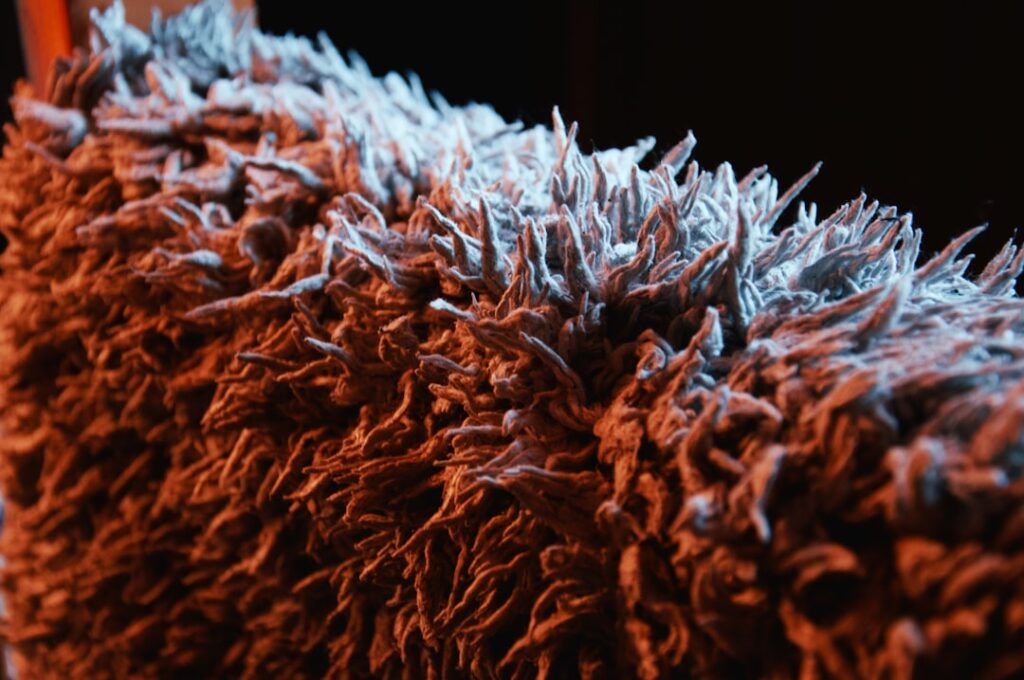
Soft underfoot, visually warm, and surprisingly versatile, a deep-pile rug can transform a cold room into a cozy retreat. A Safavieh shag rug is one of the most popular ways to get that look, because Safavieh is a long-established rug brand with several well-known shag collections spanning solid neutrals, two-tone designs, and glam-style finishes. If you have browsed rugs online, you have almost certainly scrolled past their plush, high-pile offerings.
This guide explains what makes a shag rug different, what to expect from the materials and construction, how to pick the right size, and how to keep that luxurious pile looking full for years.
What Defines a Shag Rug
The defining feature is pile height. Where a typical low-pile rug sits well under half an inch, shag rugs feature long, loose yarns that can stand anywhere from roughly 1 to 2 inches or more. That depth is what creates the soft, sink-your-toes-in feel and the casual, textured look. The longer fibers also catch light differently, giving the rug a sense of movement and dimension that flat weaves cannot match.
Shag styles range widely. Some have a uniform, fluffy surface; others mix shiny and matte yarns for a glam effect; and some use a free-flowing, slightly shaggy strand for a relaxed, bohemian vibe. The category is more about texture than any single pattern.
Materials and Construction
Most Safavieh shag rugs are made from synthetic fibers, commonly polypropylene or polyester. These materials are popular for good reasons: they are soft, naturally stain-resistant, hold color well, and cost far less than wool. Polyester in particular tends to feel silky and plush, which suits the shag look. Some lines incorporate other blends, so always check the individual product description for the exact fiber content.
Construction is typically power-loomed, a machine-woven process that keeps pricing accessible while delivering consistent quality. Many of these rugs are no-shed or low-shed and come backed for stability. Because they are not hand-knotted heirloom pieces, treat them as practical, comfortable furnishings rather than investment antiques.
Choosing the Right Size
Shag rugs come in the full range of standard sizes, and picking correctly matters more than with a thin rug because the plush pile is meant to feel generous. Common options include:
- Accent and scatter sizes around 2×3 or 3×5 feet for entryways and bedsides
- Runners roughly 2×8 feet for hallways
- Mid-size 5×8 feet rugs for seating areas and smaller living rooms
- Large 8×10 and 9×12 feet pieces to anchor a full living or dining space
- Round options for reading nooks and under small tables
In a living room, aim to get the front legs of your sofa and chairs onto the rug so the furniture feels connected. In a bedroom, a large rug under the bed with plenty extending past the sides gives you that soft landing when you step out in the morning.
What to Expect on Price
Because the brand spans many collections and sizes, prices vary widely, and what follows are general estimates rather than fixed figures. Small accent rugs often fall in the rough range of $30 to $60. Mid-size 5×8 rugs commonly land somewhere around $80 to $200, and large 8×10 or 9×12 pieces frequently run from roughly $150 to $400 or more depending on the line and any sales. Check the current listing for exact pricing, since retailers and promotions shift these numbers constantly.
For the comfort and visual impact, shag rugs generally offer strong value compared with natural-fiber or hand-knotted alternatives that can cost many times more.
Where Shag Rugs Work Best
The plush pile is wonderful in low-traffic, comfort-focused spaces. Bedrooms top the list, where softness underfoot matters most and spills are rare. Living rooms and family rooms benefit from the cozy texture, especially layered over hard flooring. They also work beautifully in reading nooks and nurseries.
Think twice about high-traffic, mess-prone zones. The long pile traps crumbs and pet hair and can mat down in hallways or under rolling chairs. Kitchens, dining areas under the table, and busy entryways are better served by a low-pile rug that cleans easily and resists crushing.
Cleaning and Care
Maintaining that full, fluffy look takes a slightly different routine than a flat rug. Follow these habits:
- Vacuum gently and regularly, ideally with suction only or a low-pile setting. A rotating beater bar can grab and pull the long fibers, so avoid it or raise the height.
- Shake out smaller rugs outdoors to release trapped debris the vacuum misses.
- Blot spills immediately with a clean cloth rather than rubbing, which works stains deeper into the pile.
- Spot clean with mild soap and water, then blot dry. Always test in a hidden corner first.
- Use a quality rug pad underneath to prevent sliding, add cushioning, and extend the rug’s life.
Fluff matted areas by hand or with a soft brush, and rotate the rug periodically so foot traffic and sunlight wear it evenly.
Styling a Shag Rug in Your Room
The plush texture of a shag rug does a lot of decorating work on its own, so the rest of the room can stay relatively simple. Solid neutral shades like ivory, gray, and beige act as a soft foundation that pairs with almost any furniture, while bolder colors or two-tone designs become a focal point in an otherwise restrained space. The deep pile reads as cozy and casual, so it suits relaxed, comfortable interiors more than formal ones.
Layering is a popular trick. Placing a smaller shag rug over a larger flatweave, or floating one at the foot of a bed, adds dimension and defines a zone within an open room. Because the texture is the star, let the rug breathe rather than crowding it with too many competing patterns nearby.
Pros and Cons to Weigh
Before you buy, it helps to balance the strengths and drawbacks honestly. On the plus side, shag rugs are exceptionally soft, add instant warmth and texture, are budget-friendly in synthetic versions, and hide seams and minor wear well thanks to the loose pile. On the downside, the long fibers trap crumbs, dust, and pet hair, they can mat or crush in high-traffic spots, and they take more care to vacuum without damaging the strands. They are also slower to dry if they get wet, which is one more reason to keep them out of kitchens and entryways. Knowing these trade-offs up front helps you place the rug where it will perform best and stay looking its best.
Final Thoughts
A Safavieh shag rug is an easy, affordable way to bring softness, warmth, and texture into a room without committing to expensive natural fibers. Choose a synthetic plush pile for a bedroom or living area, size it generously so the furniture relates to it, and give it gentle, consistent care. Match the rug to the right low-traffic space and that deep pile will stay inviting and full for years of barefoot mornings.


