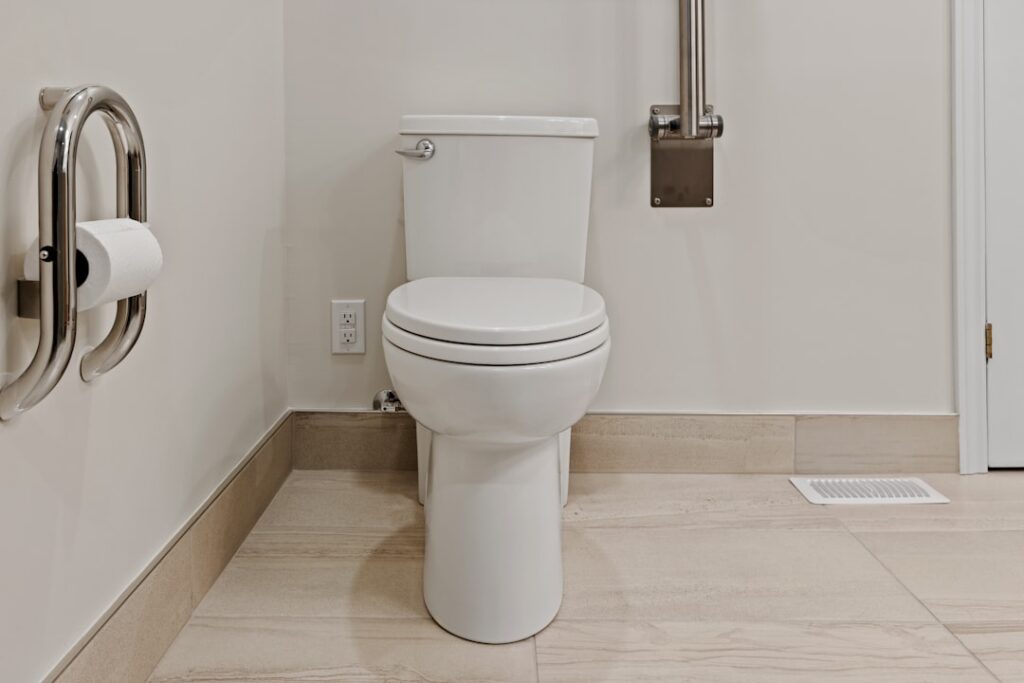
A round toilet seat is the compact, space-saving alternative to the longer elongated style, and it’s the correct choice for millions of older and smaller-bathroom toilets. Buy the wrong shape and the seat won’t sit flush no matter how you fuss with it — so the single most important step is matching the seat to your bowl. This guide covers how to measure, what to buy, and how to install, with seats ranging from $15 to $80.
- Round vs. Elongated: The Key Difference
- How to Measure Your Bowl
- Seat Materials
- Soft-Close and Quick-Release Features
- Comfort and Height Options
- Round Bidet Seats and Attachments
- Installing a Round Toilet Seat
- Cost Summary
- Choosing the Right Color and Finish
- When to Replace vs. Repair a Seat
- Cleaning and Keeping a Seat Hygienic
- The Bottom Line
Round vs. Elongated: The Key Difference
Toilet bowls come in two shapes, and seats are made to match each. A round bowl is shorter front-to-back and more circular; an elongated bowl is oval and extends about 2 inches farther. Round seats save space, which is why they dominate powder rooms, small baths, and older homes. Elongated seats offer more sitting room and are common in newer full baths. They are not interchangeable — an elongated seat on a round bowl overhangs the front, and a round seat on an elongated bowl leaves the front of the porcelain exposed.
How to Measure Your Bowl
Never guess. Grab a tape measure and check two dimensions before ordering:
- Length: Measure from the center of the two seat-bolt holes at the back to the outside front edge of the bowl. Roughly 16.5 inches means round; about 18.5 inches means elongated.
- Width: Measure the widest point of the bowl; both shapes are typically 14 to 14.5 inches wide.
- Bolt spread: Standard seats mount on holes 5.5 inches apart center-to-center — confirm yours match before buying.
That length measurement is the deciding number. If you land near 16.5″, you need a round seat.
Seat Materials
Round seats come in the same materials as any other, each with trade-offs:
- Molded wood (MDF with an enamel coat): Heavier, warmer to sit on, and feels substantial. Can chip at the edges over years. $20 to $50.
- Plastic (polypropylene): Lighter, more durable against cracks, easy to clean, and often the choice for soft-close and antimicrobial models. $15 to $60.
- Solid wood or bamboo: A premium natural look; needs a good sealed finish to resist bathroom moisture. $40 to $80.
For a busy family bathroom, a plastic soft-close seat is the most practical. Wood-enamel seats suit a more traditional look.
Soft-Close and Quick-Release Features
Two upgrades are worth the few extra dollars. A soft-close (slow-close) hinge lets the lid and seat lower gently instead of slamming — quieter and easier on the hinges and the porcelain. A quick-release hinge lets you pop the whole seat off with the press of a button for deep cleaning around the bolts, then click it back on. Many round seats now include both. They add roughly $10 to $20 over a basic seat and make daily life noticeably better.
Comfort and Height Options
Round seats are smaller, but you still have comfort choices. Standard seats sit low on the bowl; a “comfort height” or raised seat adds 2 to 3.5 inches for easier sitting and standing, useful for taller users or anyone with mobility needs. Some round seats include a slow-close lid plus a contoured shape for added comfort. If space allows and comfort matters, these are worth considering — just confirm the raised model comes in round, not only elongated.
Round Bidet Seats and Attachments
Yes, you can add a bidet function to a round bowl, but check the shape carefully. Electronic bidet seats and non-electric bidet attachments both come in round and elongated versions — buy the round one for a round bowl. Non-electric attachments that mount under a standard seat run $30 to $80; full electronic round bidet seats with warm water and a heated seat run $200 to $600. Confirm you have a nearby GFCI outlet for any electric model.
Installing a Round Toilet Seat
Swapping a seat takes about ten minutes and only a screwdriver, sometimes an adjustable wrench:
- Remove the old seat: pop the plastic bolt caps at the back, then unscrew the two bolts. If they’re corroded, hold the nut underneath while turning, or apply penetrating oil and wait.
- Clean the bolt-hole area of the bowl now, while it’s exposed.
- Set the new seat so its hinges align with the holes, drop the bolts through, and hand-thread the nuts underneath.
- Tighten snugly but not overtight — cracking porcelain is a real risk. Wiggle the seat to confirm it doesn’t shift, then snap the caps closed.
Many new seats use top-mount hinges that tighten from above, which is even easier and avoids reaching behind the bowl.
Cost Summary
- Basic round plastic or wood seat: $15 to $35
- Soft-close, quick-release seat: $25 to $60
- Raised comfort-height seat: $40 to $80
- Round electronic bidet seat: $200 to $600
Choosing the Right Color and Finish
Most round seats come in white, but matching the exact shade of an older toilet is trickier than it sounds. Porcelain “white” spans cool bright whites, warm biscuits, bones, and almond tones, and a bright-white seat on a biscuit toilet looks off. Take a photo of your toilet in daylight, or better, check the color code stamped inside the tank lid or on the bowl — many manufacturers list it. Beyond white, round seats come in black, gray, and wood tones for a more designed look. Finish matters too: a glossy enamel wipes clean easily and resists staining, while a matte or textured seat hides scratches but can hold grime in the texture. For a rental or high-traffic bath, a plain glossy white plastic seat is the most practical and easiest to keep looking new.
When to Replace vs. Repair a Seat
A toilet seat is cheap enough that repair rarely makes sense, but knowing when to swap it helps. Replace the seat if it’s cracked (a crack pinches skin and harbors bacteria), if the hinges are corroded or won’t stay tight, if the finish is stained or scratched beyond cleaning, or if it wobbles no matter how you tighten it. A loose seat that only needs tightening isn’t a replacement job — snug the bolts, and if the nuts won’t hold, a $3 pack of new seat bolts fixes it. Given that a decent round seat costs $15 to $35 and installs in ten minutes, most people simply replace rather than fuss with worn hardware. Keep the packaging and receipt until you’ve confirmed the fit, in case the shape or bolt spread turns out wrong.
Cleaning and Keeping a Seat Hygienic
A round seat is easy to keep clean if you choose features that help. Quick-release hinges are the biggest win — press the button, lift the whole seat off, and you can scrub the bolt recesses and the rim of the bowl that normally never get reached, then click the seat back on. Wipe the seat daily with a disinfecting wipe or a cloth and a mild bathroom cleaner, paying attention to the hinge area where grime collects. Avoid harsh abrasives on enameled wood seats, which can dull the finish; a soft cloth and non-abrasive cleaner keep the gloss. Some seats add an antimicrobial coating baked into the plastic that resists bacterial and mold growth between cleanings — a worthwhile feature in a busy family bathroom. Check the bolts every few months and snug them if the seat starts to shift, since a wobbling seat loosens faster and stresses the hinges. Simple, consistent care keeps a $20 seat looking and functioning like new for years.
The Bottom Line
Choosing a round toilet seat is simple once you measure: around 16.5 inches from bolts to front edge means round. Match the shape first, then pick features — soft-close and quick-release hinges are cheap upgrades that pay off daily. With a screwdriver and ten minutes, you can have a clean, quiet, properly fitted seat that finally sits flush the way it should.