
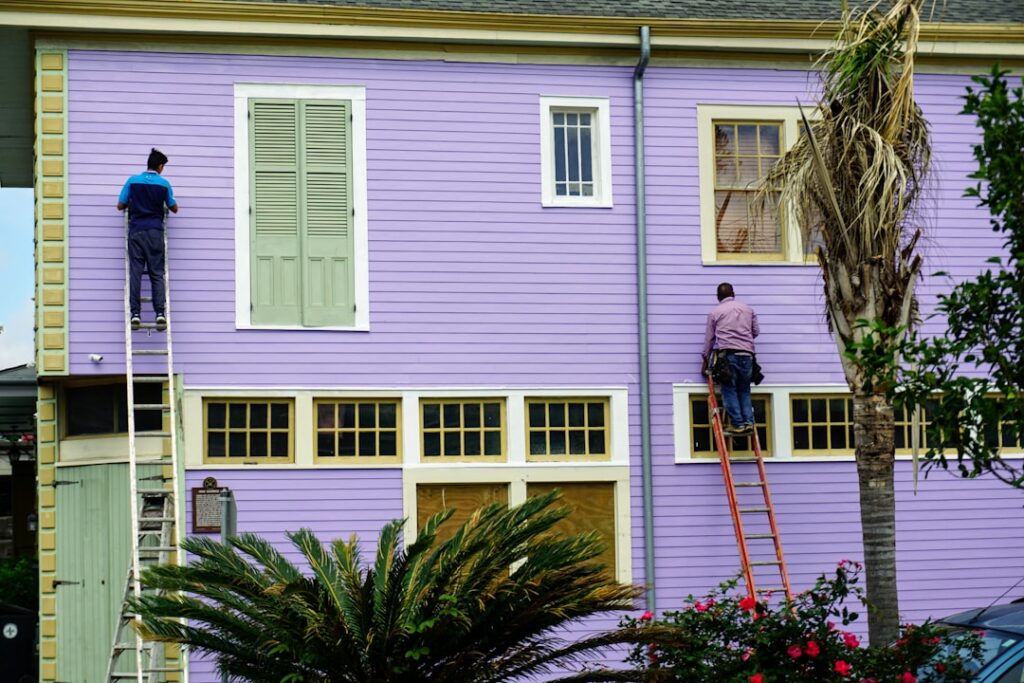
A fresh, well-chosen exterior color can make a 30-year-old manufactured home look like it just rolled off the lot, and it is one of the cheapest transformations you can make. Browsing exterior mobile home paint colors pictures is the best way to find inspiration, but turning that inspiration into a lasting result takes the right palette, the correct paint for metal or vinyl siding, and proper prep. Whether your home wears aluminum, vinyl, or hardboard siding, this guide covers the most flattering color schemes, how to pair them, and the steps that make the finish last for years instead of peeling in one season.
- Why Color Choice Matters More on a Mobile Home
- Popular Exterior Mobile Home Paint Colors and Picture-Worthy Palettes
- Reading the Fixed Elements
- Choosing the Right Paint for Your Siding
- Prepping the Surface Properly
- Application Tips for a Lasting Finish
- Boosting Curb Appeal Beyond Paint
- Using Color to Improve the Home's Proportions
- Timing and Weather for the Best Results
- The Bottom Line
Why Color Choice Matters More on a Mobile Home
Manufactured homes have long, horizontal proportions and often narrow siding profiles, so color has an outsized effect on how the home reads. The right scheme can visually balance the shape, hide dated features, and dramatically lift curb appeal, while a poor choice emphasizes the boxy lines. Because the surfaces are frequently metal or vinyl rather than wood, color also affects heat absorption: darker colors absorb more heat, which can stress older siding and raise cooling costs. Choosing wisely pays off in both looks and comfort.
Popular Exterior Mobile Home Paint Colors and Picture-Worthy Palettes
The most attractive manufactured homes tend to use a coordinated scheme of a main body color, a trim color, and an accent. These combinations photograph beautifully and stand the test of time:
- Warm greige body with white trim and a black door: Clean, modern, and universally flattering.
- Soft sage green with cream trim: Blends into natural surroundings and feels fresh and welcoming.
- Light gray-blue with crisp white trim: A coastal-inspired look that feels airy and current.
- Warm taupe or tan with brown trim: Earthy and timeless, hiding dust and pollen well.
- Navy body with white trim and natural wood accents: Bold and upscale for a dramatic transformation.
When gathering pictures for inspiration, look for homes with a similar siding type and roof color to yours, since the roof is a fixed element your palette must complement.
Reading the Fixed Elements
Before falling for any color, take stock of what you cannot easily change: the roof, skirting, awnings, and any stone or brick accents. Your paint colors need to harmonize with these. A brown or tan roof pairs naturally with warm earth tones, while a gray roof supports cooler grays, blues, and greens. Hold paint chips against the roof and skirting in daylight to confirm they work together. Ignoring these fixed features is the fastest way to end up with a scheme that clashes despite each color looking good alone.
Choosing the Right Paint for Your Siding
The paint you choose matters as much as the color, because mobile home siding demands specific products. Match the paint to your material:
- Aluminum or metal siding: Use a 100 percent acrylic exterior paint after priming any bare or chalky spots with a metal-bonding primer. Acrylic flexes with the metal and resists chalking.
- Vinyl siding: Use paint specifically formulated for vinyl, and never choose a color darker than the original, since dark colors absorb heat and can warp vinyl panels.
- Hardboard or wood-composite siding: Prime bare areas and use quality acrylic exterior paint, sealing seams and edges against moisture.
Quality 100 percent acrylic exterior paint runs roughly $40 to $70 a gallon and lasts far longer than budget alternatives, which is money well spent on a project you do not want to repeat soon.
Prepping the Surface Properly
No color survives poor prep, and mobile home siding needs thorough cleaning because it collects chalky oxidation, dirt, and mildew. Follow this preparation sequence:
- Wash the entire exterior with a mildew-killing cleaner and rinse thoroughly, removing all chalk and grime. A pressure washer on a gentle setting speeds this up.
- Scrape and sand any peeling paint and feather the edges smooth.
- Repair damage, filling dents, replacing rotted trim, and caulking gaps around windows and seams.
- Prime bare metal, wood, and stained areas with the appropriate primer for adhesion and stain blocking.
- Let everything dry fully before painting, ideally in mild weather between 50 and 85 degrees Fahrenheit.
The wash step is non-negotiable on metal siding, because painting over chalky oxidation guarantees peeling. Rub a dark cloth on the siding; if it comes away powdery, keep washing.
Application Tips for a Lasting Finish
A sprayer covers a mobile home’s long walls fastest, but back-rolling after spraying works the paint into the surface for better adhesion and coverage. Apply two thin coats rather than one heavy coat, letting each dry per the label. Paint on a mild, dry day out of direct blazing sun, which can make paint dry too fast and leave lap marks. Do the trim and accents last with a brush for crisp lines. Working section by section keeps a wet edge and produces an even, professional-looking result.
Boosting Curb Appeal Beyond Paint
Once the paint transforms the body, small touches complete the picture-perfect look. Fresh skirting, a painted or replaced front door in an accent color, updated house numbers, and simple landscaping along the base dramatically enhance the finished appearance. Coordinating shutters or a small covered entry can further break up the long profile. These affordable finishing details are what turn a repainted mobile home into one that genuinely stops traffic.
Using Color to Improve the Home’s Proportions
Because manufactured homes are long and low, color can be a powerful tool to visually reshape them. A single body color from top to bottom emphasizes the horizontal stretch, which can make the home look even longer and lower. To counter that, add a contrasting trim around windows and doors and consider vertical elements, like a painted entry section or corner boards in an accent color, to draw the eye upward and break the horizontal line.
Lighter body colors make a home feel larger and more substantial, while very dark colors can make it recede and look smaller, in addition to absorbing heat. Painting the skirting a shade darker than the body grounds the home visually and hides the gap beneath, making it appear more like a site-built house on a foundation. These simple color tricks, easy to preview by studying pictures of similar homes, help a long, narrow profile read as balanced and intentional.
Timing and Weather for the Best Results
When you paint matters as much as how you paint, especially on metal and vinyl siding that react to temperature. Aim for mild, dry weather with temperatures between 50 and 85 degrees Fahrenheit and low humidity, so the paint cures properly and adheres well. Avoid painting in direct blazing sun, which heats metal siding and makes paint dry too fast, causing lap marks and poor bonding. Follow the shade around the house, painting the side that is currently out of direct sun.
Check the forecast for at least a couple of dry days, since rain on fresh paint ruins the finish. Spring and fall are often the ideal seasons in most regions, avoiding both summer’s punishing heat and winter’s cold, which prevents latex paint from curing. Early morning starts let you take advantage of cooler, calmer conditions before the day heats up. Respecting the weather window is a free step that dramatically improves how long your new color lasts.
The Bottom Line
Gathering exterior mobile home paint colors pictures is the perfect starting point, but a lasting transformation depends on choosing a coordinated palette that complements your roof and fixed features, selecting the correct paint for metal or vinyl siding, and prepping the surface thoroughly. Favor warm greiges, soft greens, and coastal grays with crisp trim, never go darker than original on vinyl, and wash away every trace of chalk before you paint. Add fresh skirting and simple landscaping, and your manufactured home will look years younger for a fraction of any other upgrade’s cost.


