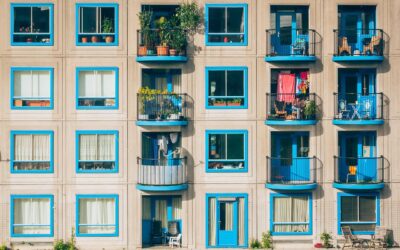
Choosing a kitchen window is rarely about aesthetics alone. The right unit balances ventilation, sightline, cleaning access from inside, and how much it disrupts your backsplash and cabinetry layout. Looking through pictures of kitchen windows is useful, but the real decisions happen at the spec sheet level: glass package, U-factor, frame material, and rough-opening dimensions. This guide walks through the eight most common styles with the brands, prices, and code considerations that matter when you commit.
Part of our Kitchen Remodeling guide — explore the full guide →
Casement Windows Over the Sink
A single casement window 30 to 36 inches wide and 36 to 48 inches tall is the workhorse over-sink choice. The crank operation means no reaching across a deep counter to lift a sash. Pella Lifestyle Series casements in fiberglass clad with white interior run $720 to $1,150 installed for that size range, with a U-factor of 0.28 and SHGC around 0.22.
Marvin Essential and Andersen 400 Series fall in the same price band. Verify the egress requirement — kitchens are not egress rooms, so casement size is unrestricted by IRC R310, but if the kitchen doubles as a basement entry path, the inspector may require it.
Double Casement and Twin Configurations
Two side-by-side casements with a center mullion give you cross-ventilation and frame the sink wall with symmetry. A typical 60-inch by 48-inch twin casement from Pella runs $1,400 to $2,100 installed. Both sashes crank outward and the screen sits on the interior side, which keeps it clean.
For a more contemporary look, specify direct-set picture glass in the center flanked by two operable casements. This three-section configuration shows up often in mid-century and modern kitchen photography because the picture glass admits more light without a center mullion blocking the view.
Garden Windows for Herbs and Plants
Garden windows project 12 to 18 inches outward from the wall and include a glass shelf for plants. The Andersen 400 Series garden window in a 36×36-inch size runs $1,800 to $2,800 installed, with side casements that operate for ventilation. The glass roof admits direct overhead light, ideal for basil, rosemary, and small succulents.
The trade-off is winter performance. Glass-roofed garden windows have aggregate U-factors near 0.45 — twice the heat loss of a flush casement. In climate zones 5 to 7, expect frost on the interior shelf during cold snaps and plan for condensation drips on the sill.
Picture Windows and Fixed Glass
For uninterrupted views, a fixed picture window above the sink delivers the cleanest look. Operable ventilation comes from an adjacent transom or side casement. A 72-inch by 36-inch fixed picture window from Marvin Elevate in fiberglass runs $1,400 to $1,900 installed.
Fixed glass also offers the best energy performance — Marvin Essential triple-pane picture units hit U-factor 0.20 with no air infiltration. Pair with two narrow awning windows above or below for cross-ventilation without breaking the picture-frame composition.
Awning Windows in Modern Kitchens
Awning windows hinge at the top and crank outward from the bottom. They’re ideal for above-counter, below-cabinet locations where vertical space is limited but horizontal width is available. A bank of three 24-inch by 18-inch awnings across a 72-inch backsplash run gives ventilation without sacrificing cabinet height.
Andersen 400 Series awnings in that configuration run about $1,800 to $2,400 for the three-unit set. They can stay open during light rain because the sash forms a roof over the opening — a feature no other window style offers.
Bay and Bow Windows in Breakfast Nooks
Three-section bay (typically 30-30-30 degrees) and four- or five-section bow windows transform breakfast nooks into the focal point of the kitchen. A 96-inch by 60-inch Pella bay window with two casement flankers and a fixed center costs $4,800 to $7,200 installed, including the cantilevered support structure on the exterior.
Verify the framing under the bay. These project 14 to 24 inches from the wall and need a cantilevered platform tied back into the floor framing, plus a separate shed or hip roof above. The roof cricket prevents ice damming in northern climates and adds $400 to $1,200 to the install.
Sliders and Single-Hungs
Cost-conscious renovations often default to single-hung or horizontal sliding windows above the sink. Single-hungs in vinyl from Jeld-Wen or ProVia run $420 to $620 installed. They open downward by lifting the bottom sash — workable but awkward to operate across a 25-inch deep counter.
Sliders are easier to reach across because the operating motion is horizontal. A 60-inch by 36-inch vinyl slider runs $480 to $720 installed. Both options use older sealing technology and typically perform at U-factor 0.30 to 0.35, noticeably worse than casement designs.
Corner Windows and Frameless Spans
Modern kitchens are increasingly using corner windows — two fixed panels meeting at 90 degrees with no corner post. Marvin Modern and Western Window Systems both offer mulled corner units. A 6-foot by 4-foot corner setup runs $5,800 to $9,200 installed and requires engineered structural support since the corner stud is eliminated.
These work best behind a peninsula or a sink island where the view sells the design. Verify your structural engineer signs off on the load path — corner window installations need an LVL or steel header that transfers vertical load around the opening.
Glazing and Energy Specs
Double-pane low-E argon-filled glass is the baseline standard for most US climate zones. The IECC 2021 sets U-factor requirements at 0.30 for zones 4 to 8, with SHGC limits of 0.40 in southern climates to control solar heat gain. Triple-pane glass from Marvin, Pella Reserve, and Andersen E-Series hits U-factor 0.18 to 0.22 and is worth the upcharge in zones 6 and 7.
Verify the NFRC label on every unit before install. The numbers there determine your Energy Star eligibility, your utility rebates (often $50 to $300 per window), and any future home-sale appraisal credits. Browsing pictures of kitchen windows is the easy part; the structural and energy decisions behind the photos are where most homeowners lose six weeks of project time.