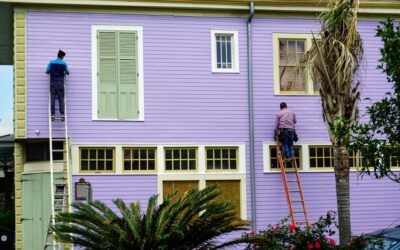
A coat of paint is the single most cost-effective upgrade you can make to a manufactured home, often transforming a dated, chalky exterior into something that looks freshly built. If you are hunting for exterior paint mobile home paint color ideas, the good news is that today’s palettes and primers work beautifully on the metal, vinyl, and hardboard siding common to mobile homes. The challenge is picking colors that flatter the home’s long, low proportions while standing up to sun and weather. This guide covers proven color schemes, how to choose based on your home’s features, and the prep details that make the difference between paint that lasts a decade and paint that peels in two years.
Part of our Paint & Walls guide — explore the full guide →
- Understand Your Siding Before You Choose a Color
- Color Schemes That Flatter a Mobile Home
- Choosing Colors Around Fixed Features
- The Best Paint for Mobile Home Exteriors
- Prep Is Ninety Percent of the Job
- Don't Forget the Details
- Trending Color Combinations to Copy
- Sheen and Fade Resistance
- Budget and Timeline
Understand Your Siding Before You Choose a Color
Mobile homes typically wear one of three siding types, and each affects both prep and color performance. Metal siding (usually aluminum) is common on older units and needs a bonding primer to hold paint. Vinyl siding cannot be painted a color darker than its original shade unless you use a vinyl-safe formula, because dark colors absorb heat and warp the panels. Hardboard or wood siding drinks primer and shows texture. Identify yours first, because it narrows your palette and dictates your primer.
Color Schemes That Flatter a Mobile Home
Manufactured homes are long and low, so the goal is usually to add visual height and break up the horizontal expanse. These schemes do that well.
Warm Neutrals with Crisp Trim
Greige (gray-beige), soft taupe, or warm sandstone as the body, paired with a clean white or cream trim, is the most reliable crowd-pleaser. It reads current, hides dust, and pairs with almost any roof color. Add a deeper accent on the skirting or door for grounding.
Soft Gray with Charcoal Accents
A light-to-medium gray body with charcoal or near-black trim, shutters, and door gives a modern farmhouse feel. This high-contrast scheme is popular right now and photographs beautifully. Keep the body on the lighter side to avoid heat buildup and to keep the home from feeling heavy.
Sage or Olive Green
Muted greens blend a mobile home into a natural, rural setting and feel calm rather than trendy. Pair sage with cream trim and a warm wood or black door. This is a favorite for homes on wooded or acreage lots.
Navy or Deep Blue with White
A confident navy body with bright white trim delivers a coastal or classic look. Because navy is dark, reserve it for metal or hardboard siding, or use a vinyl-safe dark formula on vinyl. It hides grime well and looks sharp against a light roof.
Two-Tone to Add Height
Painting the lower third or the skirting a darker shade than the upper body creates a visual base and makes the home look taller and more anchored. A darker skirt in charcoal or bronze under a lighter body is an easy way to fake a foundation.
Choosing Colors Around Fixed Features
Your roof, if not being replaced, is the biggest fixed element. Cool-toned roofs (gray, black, blue) pair with cool body colors like gray, blue, and green. Warm roofs (brown, tan, weathered bronze) pair with warm neutrals and greens. Match undertones and the whole home looks intentional.
Also consider the setting. A home surrounded by trees can carry deeper earth tones; a home on an open lot in strong sun looks best in lighter shades that stay cooler and resist fading. And always test. Buy sample quarts, paint a two-foot square on the actual siding, and look at it at morning, midday, and evening. Colors shift dramatically with light and against the specific siding sheen.
The Best Paint for Mobile Home Exteriors
Use a 100% acrylic latex exterior paint. Acrylic flexes with the daily expansion and contraction of metal and vinyl siding, resists cracking, and holds color against UV. A satin or low-sheen finish is the sweet spot: flat hides imperfections but dirties fast, while high gloss highlights every dent. Satin cleans easily and forgives texture.
For vinyl siding, look specifically for a vinyl-safe line rated for the job; these are engineered to reflect heat so darker colors will not warp the panels. Budget roughly $35 to $60 per gallon for a quality exterior acrylic, and expect a single-wide to need 2 to 4 gallons for the body plus a gallon of trim.
Prep Is Ninety Percent of the Job
Paint fails from bad prep, not bad paint. Follow this sequence:
- Wash thoroughly. Pressure wash or scrub with a mild detergent to remove chalking, mildew, and dirt. Metal siding especially develops a chalky oxidation that paint will not stick to. Rinse and let dry fully.
- Scrape and sand. Remove any loose or peeling paint and feather the edges smooth.
- Treat rust and repair. Sand metal rust spots to bare metal, caulk gaps around windows and seams, and patch hardboard damage.
- Prime. Use a bonding primer on metal, a stain-blocking primer on hardboard, and prime any bare spots. Primer is what makes paint grip slick surfaces.
- Paint. Two thin coats always outlast one thick coat. Work in the shade, follow the sun around the house, and avoid painting in direct heat or when rain threatens within 24 hours.
Don’t Forget the Details
The accents carry a huge share of the impact for very little paint. A boldly painted front door (a warm red, deep teal, or matte black) becomes a focal point. Freshly painted or replaced shutters add architectural interest to an otherwise flat facade. Painting the skirting to match or contrast ties the whole home to the ground. And updating rusty light fixtures, house numbers, and a mailbox at the same time compounds the refreshed feeling.
Trending Color Combinations to Copy
If you want a proven scheme rather than starting from scratch, these combinations consistently look great on manufactured homes and are easy to source at any paint store:
- Warm greige body, white trim, black door: The most versatile, crowd-pleasing choice. Reads current and clean.
- Sage green body, cream trim, natural wood door: Soft and welcoming, especially on a wooded lot.
- Medium gray body, charcoal trim and skirting, white accents: Modern farmhouse energy with strong contrast.
- Navy body, crisp white trim, brass or black hardware: Classic and confident on metal or hardboard siding.
- Taupe body, bronze trim, deep red door: Earthy and warm, great in sunny, open settings.
Whatever you choose, keep the palette to three colors: a body, a trim, and an accent. More than that starts to look busy on a home with such a long, simple silhouette. And remember that the trim and accent colors do the heavy lifting for curb appeal while using only a small amount of paint, so it is worth spending on quality there.
Sheen and Fade Resistance
Sun is the enemy of exterior color, and darker and more saturated shades fade fastest. Reds and dark blues lose their punch soonest, while neutrals, grays, and earth tones hold up for years. If you love a bold color, reserve it for the door or shutters where a future touch-up is quick and cheap, and keep the large body panels in a fade-resistant neutral. Choosing a premium acrylic with strong UV inhibitors, and a satin rather than flat sheen, buys you extra years before the color looks tired. In the hottest, sunniest regions, lighter body colors not only fade less noticeably but also keep the home’s interior cooler.
Budget and Timeline
A DIY repaint of a single-wide typically runs $300 to $700 in materials (paint, primer, caulk, brushes, rollers) and a solid weekend or two of work. Hiring a painter runs $1,500 to $4,000 depending on size, height, and prep needed. Either way, plan around dry weather with temperatures between 50 and 85 degrees Fahrenheit for proper curing.
With smart color choices and honest prep, the right exterior paint mobile home paint color ideas can add years of pride and real resale value. Start with your fixed features, choose a scheme that adds height and contrast, test on the actual siding, and never skip the wash-and-prime steps. The result is a home that looks custom, current, and cared for.