Rubber floor mats serve a simple but critical purpose: they protect floors, reduce fatigue, improve safety, and keep spaces cleaner. From the anti-fatigue mat at your standing desk to the heavy-duty gym mat in your garage, rubber mats work quietly in the background making daily life more comfortable and safer.
But not all rubber mats are created equal. The type of rubber, the thickness, the surface texture, and the size all determine whether a mat performs well or becomes a frustrating waste of money. This guide breaks down every major category of rubber floor mat so you can pick the right one for your specific application.
Why Rubber Floor Mats Matter
Rubber is the material of choice for floor mats because of its unique combination of properties. It is naturally slip-resistant, absorbs shock, resists moisture, withstands heavy loads, and bounces back to its original shape after compression. No other mat material matches rubber across all these categories.
Core Benefits
- Slip resistance: Rubber’s natural grip reduces slip-and-fall accidents on wet or dry surfaces.
- Shock absorption: Protects joints, reduces fatigue, and cushions dropped items.
- Durability: Quality rubber mats last 5 to 15 years even under heavy use.
- Floor protection: Prevents scratches, dents, and stains on underlying flooring.
- Noise reduction: Dampens impact noise from equipment, foot traffic, and dropped objects.
- Easy cleaning: Most rubber mats can be swept, mopped, or hosed off.
Types of Rubber Floor Mats
Rubber mats are designed for specific applications. Using the right type in the right setting maximizes performance and lifespan.
Anti-Fatigue Mats
Anti-fatigue mats are designed for people who stand in one place for extended periods, such as at a kitchen counter, standing desk, workbench, or cashier station. These mats feature a cushioned core that promotes subtle micro-movements in the legs and feet, improving blood circulation and reducing fatigue, joint pain, and lower back strain.
Quality anti-fatigue mats are typically 3/4 inch to 1 inch thick with a closed-cell rubber or foam-rubber construction. The surface may be smooth, textured, or contoured with massage bumps. Beveled edges prevent tripping.
Common sizes: 20×32 inches, 20×39 inches, 24×36 inches, 36×60 inches.
Price range: $20 to $80 for home use; $50 to $200 for commercial-grade.
Best for: Kitchens, standing desks, workshops, retail counters, assembly lines.
Entrance and Door Mats
Rubber entrance mats capture dirt, moisture, and debris at the door before they get tracked inside. They typically feature a textured or scraper surface on top and a non-slip rubber backing underneath. Some combine rubber with carpet inserts or coir (coconut fiber) for better moisture absorption.
For maximum effectiveness, use a scraper mat outside the door and an absorbent mat just inside. This two-mat system removes the bulk of dirt and moisture before visitors reach your interior flooring.
Common sizes: 18×30 inches, 24×36 inches, 36×60 inches, runner widths of 3 to 6 feet.
Price range: $15 to $60 for residential; $40 to $150 for commercial.
Best for: Front doors, back doors, garage entries, commercial building entrances.
Gym and Exercise Mats
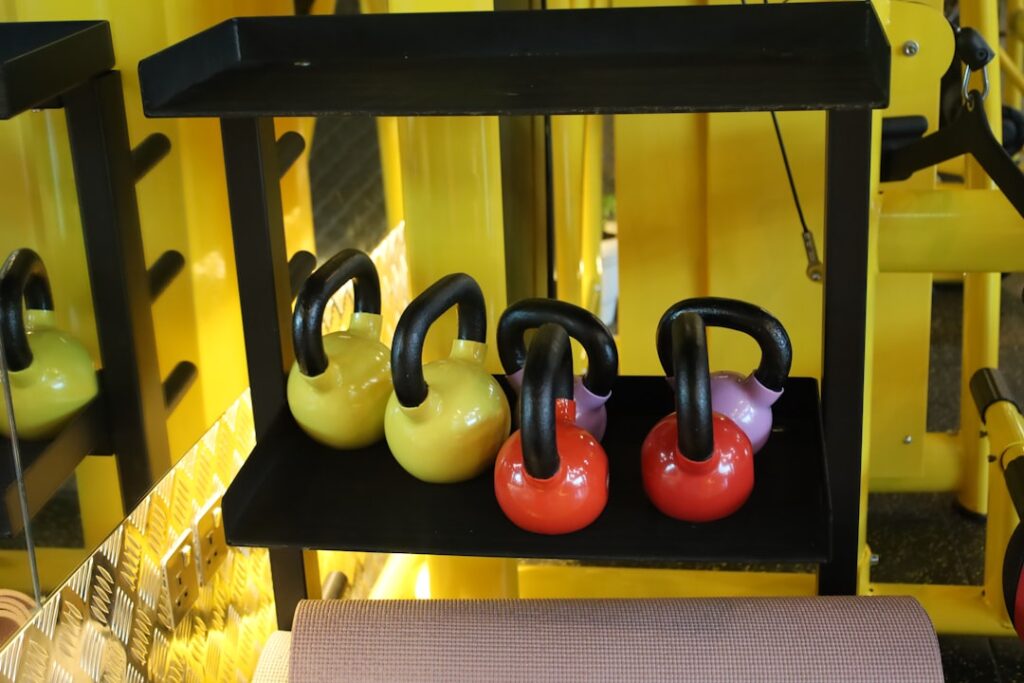
Gym rubber mats protect both the floor and the equipment user. They absorb the impact of dropped weights, reduce noise, and provide stable footing for exercises. These mats are typically made from dense recycled rubber (often from truck tires) and come in tiles, rolls, or individual mats.
For home gyms with free weights, 3/8-inch to 3/4-inch thick rubber tiles or rolls are the standard. For heavy Olympic lifting areas, stacked rubber horse stall mats (3/4 inch thick, extremely dense) are a popular budget option. For more on setting up a gym floor, see our rubber flooring guide.
Common sizes: 24×24-inch tiles, 48×96-inch horse stall mats, rolls in 4-foot widths up to 50 feet long.
Price range: $1.50 to $4.00 per square foot for tiles and rolls; $40 to $60 per 4×6-foot stall mat.
Best for: Home gyms, commercial fitness centers, weight rooms, CrossFit boxes.
Kitchen Mats
Kitchen rubber mats serve double duty: they reduce fatigue during cooking and meal prep while also protecting the floor from spills, dropped utensils, and heavy traffic in front of the sink and stove. Kitchen mats need to be waterproof, easy to clean, and stain-resistant.
Look for mats with a smooth or lightly textured surface (deep grooves trap food particles), closed-cell rubber that does not absorb liquids, and beveled or tapered edges that do not catch feet or vacuum cleaners. Many kitchen mats feature decorative designs to blend with your decor.
Common sizes: 18×30 inches, 20×39 inches, 20×72 inches (runners).
Price range: $20 to $70 for standard; $50 to $120 for premium ergonomic kitchen mats.
Best for: In front of sinks, stoves, and prep areas; laundry rooms; bars.
Drainage Mats
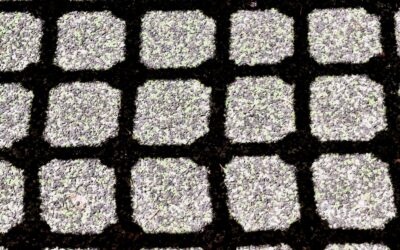
Drainage mats have holes or perforations that allow water to pass through, keeping the standing surface relatively dry. They are essential in wet environments like commercial kitchens, bars, pool areas, shower rooms, and outdoor workspaces.
These mats are typically made from heavy-duty nitrile or natural rubber with interlocking sections for custom layouts. The raised surface keeps feet above standing water while providing slip resistance. Grease-resistant versions are available for food service environments.
Common sizes: 3×5 feet, 3×10 feet, interlocking tiles in 3×3-foot sections.
Price range: $30 to $80 per section; $3 to $8 per square foot for interlocking systems.
Best for: Commercial kitchens, bars, pool decks, showers, car washes, workshops.
Industrial and Workshop Mats
Heavy-duty rubber mats for workshops, garages, and industrial settings are designed to handle extreme conditions: dropped tools, rolling carts, chemical spills, and constant foot traffic. These mats are thicker (1/2 inch to 1 inch), denser, and often resistant to oils, solvents, and chemicals.
Diamond-plate and coin-pattern surfaces provide excellent traction for work boots. Some industrial mats are electrically conductive or anti-static for use in electronics manufacturing or areas with flammable materials.
Common sizes: 3×5 feet, 4×6 feet, rolls in 3- to 4-foot widths.
Price range: $50 to $200 per mat; $3 to $7 per square foot for roll goods.
Best for: Garages, workshops, factories, warehouses, loading docks.
Utility and Multipurpose Mats
These are the all-purpose rubber mats you find at hardware stores and home centers. They serve general floor protection duties in mudrooms, laundry rooms, under pet bowls, beneath grills, and anywhere you need a durable, easy-to-clean surface. They are typically thinner (1/8 to 3/8 inch) and less specialized than the categories above.
Price range: $10 to $40 depending on size.
Rubber Mat Materials Explained
Not all rubber is the same. The type of rubber affects durability, flexibility, chemical resistance, and price.
Natural Rubber
Harvested from rubber trees, natural rubber offers excellent elasticity, grip, and shock absorption. It performs well in temperatures down to about -20 degrees Fahrenheit. However, natural rubber is less resistant to oils, grease, and UV light. It works best for indoor applications away from chemicals.
Recycled Rubber
Made from ground-up tires and other rubber products, recycled rubber is the most common material for gym mats and floor tiles. It is affordable, extremely durable, and environmentally responsible. The tradeoff is a sometimes noticeable rubber odor that can take weeks to off-gas, especially in enclosed spaces.
Nitrile Rubber
Nitrile (NBR) rubber resists oils, fuels, grease, and many chemicals, making it the choice for industrial and commercial kitchen mats. It costs more than natural or recycled rubber but is essential in environments with chemical exposure.
EPDM Rubber
EPDM (ethylene propylene diene monomer) rubber excels in outdoor applications because it resists UV light, ozone, and temperature extremes. It is commonly used in playground mats, outdoor walkway mats, and rooftop applications.
Silicone Rubber
Silicone mats handle extreme temperatures (both hot and cold) better than any other rubber type. They are used in commercial baking, industrial heat applications, and anywhere temperatures exceed 300 degrees Fahrenheit. Silicone mats are expensive and specialized.
Choosing the Right Thickness
Thickness directly impacts comfort, protection, and stability. Here is a general guide.
- 1/8 inch (3 mm): Light-duty floor protection, utility mats, under pet bowls.
- 1/4 inch (6 mm): Entrance mats, light workshop use, general floor protection.
- 3/8 inch (10 mm): Gym floors for cardio and light weights, moderate anti-fatigue use.
- 1/2 inch (12 mm): Gym floors for free weights, standing workstations, workshops.
- 3/4 inch (19 mm): Heavy weight rooms, horse stall mats, industrial applications, maximum anti-fatigue comfort.
- 1 inch (25 mm): Olympic lifting platforms, playground fall protection, heavy industrial use.
Thicker is not always better. Overly thick mats can feel unstable underfoot and make rolling carts or chairs difficult. Match the thickness to the application.
Top Rubber Floor Mat Brands
GelPro
Premium anti-fatigue mats for kitchens and standing desks. Known for their gel-core technology that provides superior cushioning. Higher price point but excellent quality and attractive designs.
Gorilla Grip
A popular brand for home kitchen, bathroom, and utility mats. Good quality at mid-range prices with strong non-slip backing. Wide selection of sizes and colors.
NoTrax
A commercial and industrial mat specialist with decades of experience. Their entrance mats, anti-fatigue mats, and drainage mats are staples in businesses and facilities nationwide.
Rubber-Cal
Offers a huge range of rubber mats, rolls, and tiles for every application from gym floors to industrial workstations. Known for competitive pricing and a wide product catalog.
Regupol (Aktiv)
A leading manufacturer of recycled rubber gym flooring and mats. Used in commercial fitness centers, CrossFit gyms, and university weight rooms worldwide.
Tractor Supply Co. (Horse Stall Mats)
While not a mat brand per se, Tractor Supply’s 4×6-foot horse stall mats have become legendary in the home gym community for their durability and low cost. These thick recycled rubber mats are the go-to budget option for weight room floors.
Rubber Floor Mat Pricing Overview
Here is a consolidated pricing guide to help you budget across all categories.
- Utility mats (small, thin): $10 to $30
- Entrance mats (standard residential): $15 to $60
- Anti-fatigue mats (home): $20 to $80
- Kitchen mats (ergonomic): $30 to $120
- Gym tiles (per square foot): $1.50 to $4.00
- Gym rolls (per square foot): $1.00 to $3.50
- Horse stall mats (4×6 feet): $40 to $60 each
- Drainage mats (per section): $30 to $80
- Industrial mats (per mat): $50 to $200
- Commercial entrance systems (per linear foot): $20 to $50
For larger-scale rubber flooring projects beyond individual mats, our rubber flooring guide covers roll and tile options for full-room installations. You might also explore epoxy flooring as an alternative for garage and workshop floors.
Care and Maintenance
Routine Cleaning
Most rubber mats can be cleaned with a broom, vacuum, or damp mop. For deeper cleaning, use warm water with a mild detergent and scrub with a soft-bristle brush. Rinse thoroughly and allow the mat to dry completely before placing it back. Avoid harsh solvents and bleach, which can degrade rubber over time.
Dealing with Odor
New recycled rubber mats often have a noticeable rubber smell. This typically dissipates within one to four weeks. To speed up the process, unroll or unbox the mats in a well-ventilated area (outdoors if possible) for a few days before bringing them inside. A light wash with vinegar and water can also help reduce odor.
Preventing Curling
Thinner rubber mats may curl at the edges over time. Look for mats with beveled edges and heavier construction. If curling occurs, lay the mat flat in direct sunlight for a few hours (the heat helps it relax) or place heavy objects on the edges for a day or two.
Frequently Asked Questions
Do rubber mats damage hardwood floors?
Some rubber mats can discolor or stain certain floor finishes over time, especially natural rubber on polyurethane-finished hardwood. Use mats with a non-staining backing or place a thin cloth barrier between the mat and the floor. Check periodically for any discoloration.
Are rubber mats safe for use on heated floors?
Most rubber mats are safe on radiant-heated floors, but thick mats may insulate the floor and reduce heating efficiency. Use thinner mats (1/4 inch or less) over heated floors and check the mat manufacturer’s temperature rating.
How long do rubber floor mats last?
Quality rubber mats last 5 to 15 years depending on the application and maintenance. Gym mats and industrial mats with heavy daily use may need replacement sooner, while kitchen and entrance mats in residential settings can last a decade with proper care.
Can I cut rubber mats to fit my space?
Yes. Most rubber mats, tiles, and rolls can be cut with a sharp utility knife and a straight edge. Score the surface, then make multiple passes to cut through. For thicker mats, use a heavy-duty knife and change blades frequently.
What thickness do I need for a home gym?
For bodyweight exercises and cardio equipment, 1/4 to 3/8 inch is sufficient. For free weights and dumbbells, 3/8 to 1/2 inch provides good floor protection. For heavy Olympic lifting with dropped barbells, 3/4 inch or thicker is recommended.
Final Thoughts
Rubber floor mats are a simple, effective solution for dozens of applications around the home and workplace. Match the mat type and thickness to your specific need, choose a reputable brand, and you will get years of reliable performance. Whether you need a comfortable kitchen mat, a durable gym floor, or a safe entrance mat, rubber delivers a combination of comfort, safety, and longevity that other materials simply cannot match.
Prefer to explore on your own?
See how new flooring looks in your actual room in seconds — free, no signup.
Try the free Floor Studio →