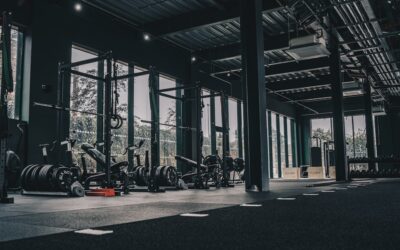
Rubber mat flooring serves a remarkably wide range of applications — from cushioning your feet during long kitchen sessions to absorbing the impact of dropped barbells in a commercial gym. The material is naturally shock-absorbent, slip-resistant, durable, and easy to maintain, making it the default choice for environments where safety, comfort, and durability matter more than visual aesthetics.
This guide covers the five main types of rubber mat flooring, explains how to choose the right thickness, compares interlocking tiles versus rolls versus single mats, and reviews the top brands for both home and commercial use. If you are outfitting a gym specifically, also see our dedicated gym flooring guide.
Types of Rubber Mat Flooring
Anti-Fatigue Mats
Anti-fatigue mats are designed to reduce the strain of prolonged standing on hard surfaces. They feature a cushioned rubber or foam-rubber construction (typically 3/8 to 3/4 inch thick) that encourages subtle micro-movements in your legs and feet, improving circulation and reducing fatigue.
Common applications include kitchen workstations (in front of the sink, stove, and prep area), standing desks, retail checkout counters, assembly lines, and any workspace where people stand for extended periods. Quality anti-fatigue mats use closed-cell rubber or polyurethane foam that resists compression over time — cheaper mats flatten within months and lose their cushioning effectiveness.
Gym and Fitness Mats
Gym rubber mats protect both the floor beneath and the equipment above. They absorb impact from dropped weights, reduce noise and vibration, and provide a stable, non-slip surface for exercises. Gym mats range from 1/4-inch rolls for light cardio areas to 3/4-inch tiles for Olympic weightlifting platforms.
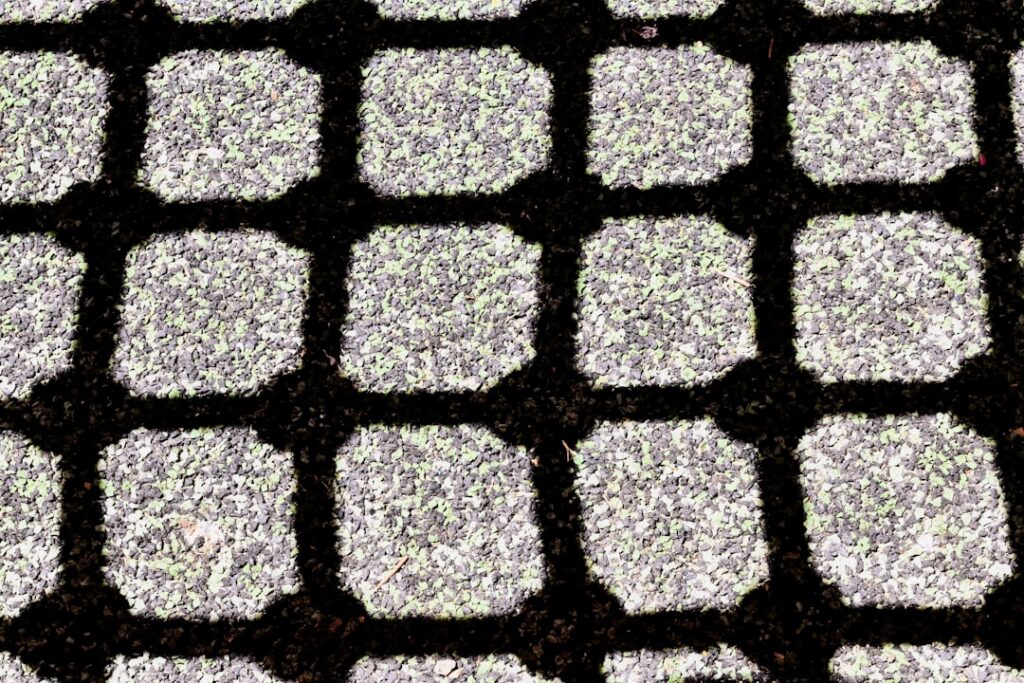
The standard material is vulcanized recycled rubber — dense, durable, and heavy enough to stay in place without adhesive. The distinctive speckled appearance (black with colored flecks) comes from the recycled tire rubber used in manufacturing. Virgin rubber mats are available for environments where the recycled-rubber odor is unacceptable (home gyms in living spaces, yoga studios). For specific mat recommendations, see our gym floor mats guide.
Playground Mats
Playground rubber mats are engineered for fall protection. They meet ASTM F1292 standards for impact attenuation — the ability to absorb the energy of a fall and reduce injury severity. Thickness ranges from 1.5 inches (4-foot fall height protection) to 4 inches (10-foot fall height protection).
Playground mats use a softer, more porous rubber compound than gym mats, prioritizing energy absorption over surface hardness. They are typically installed in interlocking tile format over concrete or compacted base and include drainage features that allow water to pass through rather than pooling on the surface.
Industrial Mats
Industrial rubber mats serve harsh commercial environments — manufacturing floors, welding stations, electrical substations, and chemical processing areas. They are engineered for specific hazards: anti-static mats dissipate electrostatic discharge, chemical-resistant mats withstand exposure to oils and solvents, and insulating mats protect workers from electrical shock.
Industrial mats are typically thicker (1/2 to 1 inch), heavier, and more expensive than consumer mats. They are built to endure heavy foot traffic, rolling loads (carts, forklifts), and extreme temperatures. Certifications (ANSI, OSHA compliance) are critical in industrial applications.
Kitchen Mats
Kitchen rubber mats overlap with anti-fatigue mats but include features specific to food-preparation environments: grease resistance, non-porous surfaces that do not harbor bacteria, drainage holes for wet areas, and beveled edges that prevent tripping. Commercial kitchen mats often feature raised patterns or perforations that allow water and grease to flow beneath the standing surface.
Home kitchen mats prioritize comfort and aesthetics alongside function. Many brands now offer rubber-backed mats with decorative fabric tops, combining anti-fatigue cushioning with visual appeal that suits residential kitchens.
Thickness Guide
Choosing the correct thickness is the single most important decision in rubber mat flooring. Too thin provides insufficient protection or cushioning; too thick creates an unstable surface or trip hazard.
| Thickness | Best Application | Protection Level | Weight (per sq ft) |
|---|---|---|---|
| 1/4″ (6 mm) | Light cardio, treadmill mats, equipment bases | Floor scratch protection, light impact | ~1.5 lbs |
| 3/8″ (9 mm) | Anti-fatigue, general gym flooring, home gyms | Moderate impact, fatigue reduction | ~2.0 lbs |
| 1/2″ (12 mm) | Free weight areas, CrossFit, commercial gyms | Good impact absorption, noise reduction | ~2.5 lbs |
| 3/4″ (19 mm) | Olympic lifting, deadlift platforms, heavy drops | High impact absorption, floor protection | ~3.5 lbs |
| 1.5″ – 4″ | Playgrounds, fall zones | Fall protection (ASTM certified) | ~5 – 15 lbs |
For most home gym setups, 3/8 to 1/2 inch is the sweet spot — thick enough to protect floors and absorb moderate impacts, thin enough to maintain stability for exercises that require balance. For heavy weightlifting (deadlifts, Olympic lifts), 3/4 inch is recommended in the lifting area, with thinner mats in the rest of the gym.
Interlocking vs Roll vs Single Mat
Rubber mat flooring comes in three formats, each with distinct advantages.
Interlocking tiles (typically 2′ x 2′ or 3′ x 3′) connect via puzzle-piece edges to form a continuous surface. Advantages: easy to transport and install (no tools needed), simple to replace individual damaged tiles, and can be configured to fit any room shape. Disadvantages: seams can separate under heavy lateral force, and the interlocking edges create slight ridges that collect dust. Interlocking tiles are the most popular format for home gyms and modular commercial installations.
Rubber rolls (typically 4′ wide, sold in lengths of 10 to 50 feet) provide a seamless surface over large areas. Advantages: no seams to separate, cleaner appearance, and better for rolling equipment (weight sleds, medicine ball tosses). Disadvantages: heavy and difficult to transport and install (a 4′ x 25′ roll of 3/8-inch rubber weighs roughly 100 pounds), require adhesive for permanent installation, and cannot be partially replaced if damaged.
Single mats are individual pieces (3′ x 6′, 4′ x 6′, or custom sizes) designed for specific stations — under a squat rack, beneath a treadmill, or at a standing desk. Advantages: targeted protection without covering the entire floor, easy to move and replace. Disadvantages: edges can curl or slide without adhesive or grip tape, and multiple mats with gaps between them create an unfinished look.
Format Comparison Table
| Feature | Interlocking Tiles | Rubber Rolls | Single Mats |
|---|---|---|---|
| Installation difficulty | Easy (DIY) | Moderate to hard | None — lay and use |
| Seam visibility | Visible puzzle edges | Seamless (or minimal seams) | Edges visible |
| Partial replacement | Easy — swap individual tiles | Difficult — must cut and patch | Easy — replace individual mat |
| Coverage flexibility | Any shape/size (modular) | Rectangular areas | Spot coverage only |
| Best for | Home gyms, modular spaces | Commercial gyms, large areas | Equipment stations, standing desks |
| Price per sq ft | $1.50 – $4.00 | $1.00 – $3.50 | $2.00 – $5.00 |
Commercial vs Home Use
Commercial installations (gyms, restaurants, factories) prioritize durability, compliance, and long-term performance. Commercial rubber flooring is typically vulcanized (heat-cured for maximum durability), heavier, and backed by commercial warranties (5 to 15 years). It is designed to handle continuous heavy traffic, industrial cleaning chemicals, and extreme conditions.
Home installations prioritize convenience, odor control, and aesthetics alongside function. Home rubber mat flooring is often lighter, available in more colors and textures, and designed for easier DIY installation. Odor is a significant concern — recycled rubber has a strong “new tire” smell that can take weeks to dissipate in an enclosed home gym or kitchen. Virgin rubber and low-VOC options are available at a premium.
Key differences to consider: commercial rubber is often sold in rolls requiring professional installation, while home rubber is predominantly sold as interlocking tiles. Commercial rubber comes in limited colors (black, black with colored flecks); home rubber is available in a wider palette. Commercial rubber is heavier and denser; home rubber balances density with manageable weight. For a complete overview, visit our rubber flooring page.
Cost Breakdown
| Application | Format | Thickness | Cost per Sq Ft | Typical Project Cost |
|---|---|---|---|---|
| Home gym (200 sq ft) | Interlocking tiles | 3/8″ – 1/2″ | $1.50 – $3.00 | $300 – $600 |
| Commercial gym (1,000 sq ft) | Rubber rolls | 3/8″ – 3/4″ | $2.50 – $5.00 | $2,500 – $5,000 |
| Kitchen anti-fatigue (single mat) | Single mat | 3/4″ | $3.00 – $6.00 | $30 – $80 per mat |
| Playground (500 sq ft) | Interlocking tiles | 2.5″ – 4″ | $8.00 – $15.00 | $4,000 – $7,500 |
| Industrial workstation | Single mat or rolls | 1/2″ – 1″ | $4.00 – $10.00 | Varies by coverage |
Rubber flooring is more expensive per square foot than most other flooring materials, but it lasts 15 to 25 years in residential use and 10 to 15 years in commercial use with minimal maintenance — making its lifecycle cost competitive.
Top Brands
Rubber-Cal: One of the largest rubber flooring manufacturers in the U.S., offering a full range from gym tiles to industrial rolls. Known for competitive pricing and wide thickness options. Available through home improvement retailers and direct.
Regupol (Aktiv): Premium manufacturer of vulcanized rubber flooring used in commercial gyms, fitness studios, and institutional facilities worldwide. Higher price point but exceptional durability and low-odor formulations.
Stall Mats (Tractor Supply): The budget king for home gyms. Originally designed for horse stalls, these 4′ x 6′ x 3/4″ mats are dense, durable, and cost roughly $45 each ($1.88/sq ft). The trade-off is a strong rubber odor that takes weeks to air out and a strictly utilitarian appearance.
IncStores: Popular online retailer specializing in interlocking rubber tiles for home gyms, garage floors, and play areas. Good variety of colors, thicknesses, and textures. Mid-range pricing with frequent sales.
Gorilla Flooring: Commercial-grade rubber rolls and tiles designed for CrossFit boxes, weightlifting platforms, and high-impact training areas. Thicker options (3/4″ and 1″) are their specialty.
Cleaning and Maintenance
Rubber flooring is one of the easiest flooring materials to maintain, but proper care extends its lifespan and prevents odor buildup.
Daily / after each use: Sweep or vacuum to remove loose dirt, dust, and debris. In gym environments, wipe down mats after each session to prevent sweat from accumulating.
Weekly: Damp mop with a pH-neutral cleaner or a mixture of warm water and mild dish soap. Avoid harsh chemicals, bleach, and solvent-based cleaners — they degrade rubber over time. Rinse with clean water after mopping to prevent soap residue buildup.
Monthly: Deep clean with a rubber-specific floor cleaner. For textured or dimpled mats, use a stiff-bristle brush to clean the crevices where dirt accumulates. Rinse thoroughly and allow to air dry.
Odor management: New rubber flooring has a strong smell. To accelerate off-gassing, unroll or unpackage the rubber in a well-ventilated area (garage, outdoors) for 3 to 7 days before installing in an enclosed space. Once installed, maintain ventilation and mop with a vinegar-water solution (1:10 ratio) weekly until the smell subsides.
Frequently Asked Questions
How thick should rubber gym flooring be?
For home gyms with light to moderate use (cardio, bodyweight exercises, light dumbbells), 3/8 inch is sufficient. For free weight areas with moderate drops, use 1/2 inch. For heavy Olympic lifting and deadlifts where loaded barbells are dropped from height, 3/4 inch provides the best protection for both the floor and the equipment.
Do rubber floor mats smell?
Yes — new rubber flooring made from recycled rubber has a noticeable “new tire” odor that lasts 2 to 6 weeks depending on ventilation. Virgin rubber and low-VOC formulations have significantly less odor. Air out new mats in a ventilated area for several days before installing in enclosed spaces.
Can you put rubber mats on carpet?
Yes, but it is not ideal. Rubber mats on carpet create a slightly unstable surface because the carpet compresses beneath the rubber. For gym use, the instability can be a safety concern during heavy lifts. If you must place rubber on carpet, use the thickest mats available (3/4 inch) to add rigidity, and consider laying plywood between the carpet and rubber for a firmer base.
Are interlocking rubber tiles as good as rubber rolls?
For home gyms and moderate-use commercial spaces, interlocking tiles perform comparably to rolls. The main trade-off is seam integrity — under extreme lateral force (sled pushes, heavy pivoting), tile seams can separate. For heavy commercial use, rolls with adhesive installation provide a more secure, seamless surface.
How long does rubber flooring last?
Quality rubber flooring lasts 15 to 25 years in residential settings and 10 to 15 years in commercial environments. Factors that shorten lifespan include UV exposure (outdoor installations without UV-stabilized rubber), chemical exposure, and consistently heavy point loads. Rubber is one of the most durable flooring materials available.
Can rubber mats be used outdoors?
Yes, but use UV-stabilized rubber designed for outdoor applications. Standard indoor rubber will fade, crack, and degrade under prolonged sun exposure. Outdoor rubber mats should also have drainage features (perforations or channels) to prevent water pooling. Playground rubber mats are specifically engineered for outdoor use.
Prefer to explore on your own?
See how new flooring looks in your actual room in seconds — free, no signup.
Try the free Floor Studio →