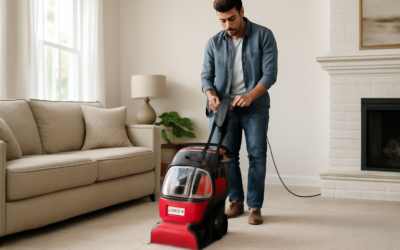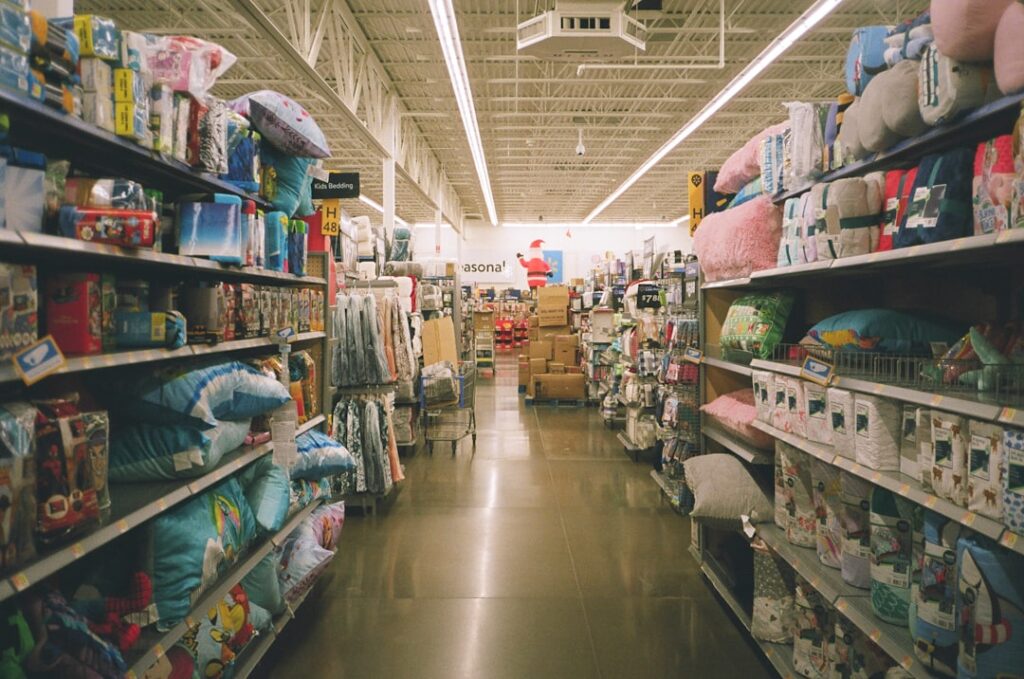
When your carpet looks dingy and a professional cleaning quote makes you wince, there is a familiar middle ground sitting right inside your local Walmart. A Rug Doctor rental Walmart trip lets you deep-clean your own carpets for a fraction of what a pro charges, using the same hot-water extraction technology the professionals rely on. It takes a little elbow grease, but the results can be genuinely impressive. This guide covers what it costs, how the rental works, which solutions to buy, and the tips that separate a great cleaning from a soggy disappointment.
How the Rental Works
Walmart partners with Rug Doctor to offer self-service carpet cleaner rentals at kiosks near the entrance of many stores. The machines are commercial-grade upright extractors that spray a cleaning solution into the carpet, scrub it, and immediately vacuum the dirty water back out. You rent the machine, buy the cleaning solution, take it home, clean, and return the machine to any participating location.
The process is designed to be self-service. You typically reserve and pay at the kiosk or through the Rug Doctor app, take the machine, and bring it back within your rental window. Returning to a different store than the one you rented from is usually allowed.
What It Costs
Affordability is the whole point, and the pricing reflects that. While prices vary by location and promotions, here is a realistic breakdown:
- 24-hour rental: roughly $30 to $40
- 48-hour rental: roughly $45 to $55
- Cleaning solution: $15 to $25 per bottle
- Optional attachments and pet formulas: add a few dollars each
All in, a typical DIY deep-clean of a few rooms runs $50 to $80 once you include the solution. Compare that to $150 to $400 for professional cleaning, and the savings are substantial, especially if you clean multiple rooms or do it regularly.
What You Need to Buy
The machine alone will not clean anything; you need the consumables. At minimum, pick up a bottle of Rug Doctor cleaning solution. The standard formula handles general dirt, while specialized formulas target pet stains and odors, high-traffic grime, or add a pleasant scent.
One bottle covers a surprising amount of carpet, often enough for several rooms, but for a whole house grab two so you do not have to make a second trip. If you have pets, the pet-specific enzyme formula is worth the small upcharge for tackling odors at the source.
Step-by-Step for the Best Results
Renting the machine is easy; getting professional-looking results takes a bit of technique. Follow these steps:
- Vacuum thoroughly first to lift loose dirt and pet hair the extractor cannot handle.
- Pretreat heavy stains and high-traffic lanes with a spot cleaner and let it sit.
- Fill the machine’s clean-water tank with hot tap water and the correct amount of solution.
- Work in slow, overlapping passes; push forward while spraying, then pull back slowly to extract.
- Do a final dry pass with the spray off to pull up as much moisture as possible.
- Empty and refill the dirty-water tank whenever it gets full.
The single biggest mistake is rushing. Slow extraction passes pull more water and dirt out of the carpet, leaving it cleaner and drier.
Drying and Aftercare
Wet carpet is the part people underestimate. Expect 4 to 12 hours of drying time, sometimes longer in humid weather. Open windows, run ceiling fans, and aim box fans across the floor to speed things up. A dehumidifier helps significantly in damp climates.
Keep foot traffic off the carpet until it is fully dry to avoid re-soiling, and lift the legs of any furniture you put back, or place foil or plastic squares under them, so stains and rust do not transfer to the damp fibers. Do not over-wet the carpet during cleaning in the first place; soaking it leads to long drying times and, in the worst case, mildew in the padding.
Pros and Cons of DIY Rental
The rental route is not perfect, so weigh the trade-offs against hiring a pro.
- Pros: Big cost savings, available on demand, you control the process, and you can spot-clean as needed throughout the year.
- Cons: Hard physical work, less suction than truck-mounted professional equipment, longer drying times, and you handle the cleanup and return yourself.
For maintenance cleaning and moderate dirt, the rental delivers excellent value. For deeply soiled carpets, severe pet damage, or delicate fibers, a professional with stronger extraction may be the safer call.
Is It Worth It?
For most homeowners, absolutely. A Rug Doctor rental from Walmart hits a sweet spot of low cost, real cleaning power, and convenience, letting you refresh your carpets several times a year for what one professional visit would cost. Vacuum first, work slowly, do not over-wet, and dry thoroughly, and you will get results that rival a paid service. Reserve the machine, grab the right solution, and set aside an afternoon; your carpets will look and smell noticeably better by evening.
Tackling Tough Stains
The machine handles general dirt well, but stubborn stains need a little strategy. Pretreatment is the key. Before you start the main cleaning, spray a dedicated spot remover or the Rug Doctor pretreatment on heavy stains and high-traffic lanes, then let it dwell for 5 to 10 minutes so it can break down the soil.
- Pet stains and odor: Use an enzyme-based formula that digests the source of the smell, not just masks it.
- Grease and oil: Pretreat with a degreasing spot cleaner before extraction.
- Old set-in stains: Make a second slow pass over the spot, then a dry pass to pull moisture out.
- Red wine or coffee: Blot first, then pretreat; never scrub, which spreads the stain.
Patience beats force. Several gentle passes with good pretreatment lift more than aggressive scrubbing, which can damage carpet fibers and push stains deeper into the padding.
Renting vs. Buying Your Own Machine
If you clean carpets often, you might wonder whether to buy a machine instead of renting. The math depends on frequency. Renting at roughly $30 to $40 a session makes sense for the occasional deep clean, while a household with pets, kids, and lots of carpet might come out ahead owning a unit after a handful of uses.
Renting wins on storage and maintenance; you never have to store a bulky machine or empty and dry it after each use, and you always get a well-maintained, powerful unit. Buying wins on convenience and long-term cost if you clean monthly or respond to frequent accidents. For most homeowners who deep-clean a few times a year, the rental route stays the better value, giving you commercial-grade cleaning power on demand without the upfront cost or the closet space.