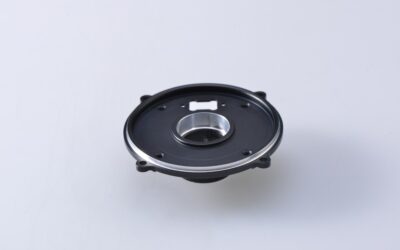
Pairing a premium sink with a mismatched drain flange is a mistake that shows up as a slow drip and a tarnished finish within months. A Ruvati garbage disposal flange is designed to match Ruvati’s workstation and undermount sinks precisely, giving you a leak-free seal and a finish that coordinates with the sink and faucet rather than clashing with a generic chrome part. If you own a Ruvati sink, choosing the matching flange is the small detail that keeps the whole installation looking and performing like it was meant to go together.
Why the Flange Matters More Than It Looks
The flange is the metal fitting that seats in the sink’s drain opening and connects to the garbage disposal below. It carries the entire seal between sink and disposal, so a poor fit or degraded gasket is a direct path to leaks under the cabinet. On a high-end sink, the flange is also visible from above, meaning a cheap mismatched finish undermines the look you paid for. Ruvati offers flanges in finishes like brushed stainless, matte black, and gunmetal to match their sink lines.
Getting the Sizing Right
Standard kitchen sink drain openings are 3.5 inches in diameter, and Ruvati flanges are built to this standard so they seat properly in both Ruvati and most other 3.5-inch sinks. The key measurement is the drain opening diameter, not the sink brand. Before ordering, confirm your sink uses a standard 3.5-inch opening, which nearly all disposal-ready sinks do.
- Drain opening: 3.5 inches, the industry standard
- Finish options: brushed stainless, matte black, gunmetal to coordinate with the sink
- Compatibility: works with standard 3-bolt mount disposals from major brands
- Included seals: flange gasket and sink baffle for a complete assembly
Does It Work With My Disposal?
Most residential garbage disposals use the universal 3-bolt mounting system, and a Ruvati flange is designed to connect to that standard mount. This means it pairs with disposals from the major manufacturers without an adapter. The exception is disposals that use a proprietary quick-lock mount instead of the 3-bolt system, which need their own matching mounting hardware. Check whether your disposal uses a 3-bolt ring or a single twist-lock collar before buying.
How to Install the Flange
Installing a disposal flange is a manageable DIY job that takes under an hour with basic tools. Working from a dry, cleared cabinet makes it far easier.
- Cut power to the disposal and disconnect the old unit if you are replacing one.
- Clean the sink drain opening thoroughly so the new seal beds down flat.
- Apply a rope of plumber’s putty around the underside of the flange, or use the supplied gasket if the flange is designed for a gasket-only seal.
- Press the flange firmly into the drain opening from above so putty squeezes out evenly.
- From below, install the backup ring, fiber gasket, and snap ring, then tighten the three mounting bolts evenly against the sink.
Wipe away the excess putty that squeezes up around the flange for a clean finished look. Tighten the mounting bolts in small turns, alternating between them, so the flange draws down level.
Sealing Choices: Putty vs Gasket
Some flanges seal with plumber’s putty, others with a rubber gasket, and a few use silicone. Follow what the Ruvati flange instructions specify. If it calls for putty, use standard plumber’s putty, not silicone, unless the sink is a natural stone or a material that putty can stain, in which case use a stain-free putty or clear silicone. The right sealant for your sink material prevents both leaks and unsightly stains around the drain.
Avoiding Common Installation Mistakes
The most frequent error is uneven bolt tightening, which cocks the flange and breaks the seal on one side. Snug the three bolts a little at a time in rotation. The second mistake is skimping on putty, leaving gaps the water finds. Use a full rope so it squeezes out all the way around. Finally, do not overtighten to the point of cracking a thin sink material; snug and level is the goal, not maximum force.
Matching the Flange to a Workstation Sink
Ruvati is best known for its workstation sinks, which feature an integrated ledge for cutting boards, colanders, and drying racks that slide along a built-in track. On these sinks, coordinating the disposal flange finish matters more than usual because the sink is a design showpiece rather than a simple basin. A gunmetal or matte black flange that matches the sink’s accessories and faucet completes the look, while a random chrome flange stands out awkwardly in the one spot everyone sees. If you invested in a workstation sink, spend the extra few dollars on the matching flange finish to keep the whole station cohesive.
Maintenance and Longevity
Once installed correctly, a disposal flange needs almost no attention, but a few habits extend its life. Wipe the visible flange dry after washing dishes to prevent water spots, especially on darker finishes that show mineral deposits. Every year or so, check underneath that the mounting bolts remain snug, since the vibration of the disposal can gradually loosen them and start a slow leak. If you ever notice a drip at the flange, retightening the three bolts evenly usually reseats the seal before you need to replace anything. Treated well, a quality flange outlasts the disposal it is attached to.
The Payoff
A matching Ruvati garbage disposal flange finishes a premium sink installation the right way, delivering a coordinated finish above the counter and a reliable, leak-free seal below it. It costs only a little more than a generic flange, installs in under an hour, and spares you the drips and mismatched chrome that undermine an otherwise beautiful kitchen. When you invest in a quality sink, matching the flange is the detail that makes the whole setup work.