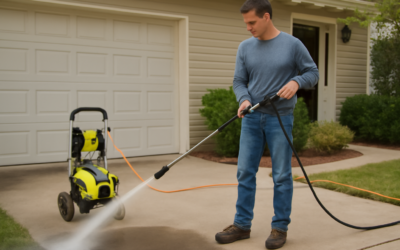
A ryobi automotive pressure washer hits a sweet spot for home car care: enough pressure to blast off road grime, gentle enough not to strip your paint, and cheap enough that you don’t feel bad using it every weekend. RYOBI’s electric lineup has become one of the most popular choices in driveways across the country, and for good reason. It plugs into a standard outlet, weighs almost nothing next to a gas rig, and pairs perfectly with a foam cannon.
The catch is that pressure washers can damage a car if you use the wrong tip or crowd the panel. Get the PSI, nozzle, and distance right, and you get a faster, cleaner, safer wash than a bucket ever gave you. Here’s how to do it.
The Right PSI for Washing a Car
Cars are more delicate than driveways. The safe working window for automotive washing is roughly 1,200 to 1,900 PSI. Below that you struggle to lift baked-on grime; much above it, especially up close with a narrow tip, and you risk chipping paint, damaging trim, or forcing water past door and window seals.
This is exactly why RYOBI’s electric machines fit car work so well. Their common ratings land right in the zone:
- 1,600 PSI: gentle and forgiving, great for regular maintenance washes and older or delicate finishes.
- 1,800 PSI: the all-around pick for most car owners, with enough muscle for bugs and brake dust.
- 2,000 PSI: plenty of power; just use a wider nozzle and keep your distance on paint.
If your machine tops out higher than 2,000 PSI, you’re not out of luck. You simply manage the pressure with the right nozzle and by keeping the wand farther from the panel.
Nozzle Tips: The Part Most People Get Wrong
Nozzle choice matters more than the machine’s max rating. RYOBI units ship with color-coded quick-connect tips, and the number stamped on them is the spray angle:
- 0-degree (red): a pinpoint jet. Never point this at a car. It will chip paint and gouge trim. Leave it in the box for concrete only.
- 15-degree (yellow): too aggressive for paint; fine for wheels and wheel wells from a distance.
- 25-degree (green): the go-to for rinsing a car. Wide, safe, and effective.
- 40-degree (white): the gentlest spray, ideal for a final rinse or delicate finishes.
- Soap (black): low-pressure tip that lets the machine draw detergent; use it with a foam cannon or the onboard soap tank.
For car washing, live on the 25 and 40-degree tips plus the soap nozzle. Keep the wand 18 to 24 inches from the paint, spray at a slight downward angle, and let the water do the work instead of jamming the tip against the panel.
Adding a Foam Cannon
The foam cannon is where a RYOBI machine really shines. It’s an attachment that mixes car soap with air and water to blanket the vehicle in thick suds, and those suds lift and encapsulate dirt so it rinses away instead of grinding into the clearcoat when you touch it.
The workflow is simple and paint-friendly:
- Rinse the car first with the 25-degree tip to knock off loose grit.
- Switch to the foam cannon, coat the whole car, and let the foam dwell three to five minutes (don’t let it dry in the sun).
- Wash top to bottom with a clean microfiber wash mitt and two buckets if you’re contact-washing.
- Rinse again with the 25 or 40-degree tip.
A basic foam cannon that fits RYOBI’s quick-connect wand runs about $25 to $40. Match your soap to foam use; a dedicated snow-foam or pH-neutral car shampoo makes far thicker suds than dish soap, which you should avoid anyway since it strips wax.
Corded vs. Cordless 40V Options
RYOBI splits its automotive-friendly washers into two families:
- Corded electric (1,600 to 2,000 PSI): the value workhorses. They run all day without a battery to drain, deliver steady pressure, and cost the least. The trade-off is dragging a cord and hose, and you need an outlet within reach.
- 40V brushless cordless: RYOBI’s battery-powered units are genuinely convenient for a quick wash with no cords, and the brushless motor is efficient and quiet. They typically deliver lower flow and shorter run times per charge, so they suit a single-car wash rather than a long detailing session or big driveway.
If you have an outlet near where you park, corded gives you the best power for the money. If you want to wash away from any outlet, or hate cords, the cordless 40V line is worth the premium.
What It Costs
Pricing is one of RYOBI’s biggest draws. Expect roughly:
- $99 to $150 for a 1,600 to 1,800 PSI corded electric washer, often the best value for casual car washing.
- $150 to $250 for a 2,000 PSI corded unit or a bundle with extra nozzles and a hose reel.
- $250 to $300+ for 40V cordless kits with a battery and charger included.
Add a foam cannon and a couple of good microfiber mitts and you have a complete car-wash setup for well under the cost of a season of drive-through washes.
Avoid Stripping Paint: Common Mistakes
The machine is safe; user error is what damages cars. Steer clear of these:
- Using the 0-degree red tip on paint. The single fastest way to chip a finish. Never do it.
- Getting too close. Jamming the nozzle inches from the panel concentrates force that can lift chips and edges. Stay a foot and a half back.
- Blasting trim, badges, and seals head-on. High pressure works water behind emblems and past weatherstripping. Angle across them, not straight at them.
- Contact-washing without foam. Dragging a mitt over unfoamed grit puts swirl marks in the clearcoat. Always foam and rinse first.
- Hitting cracked glass or peeling clearcoat. Pressure will finish the job the damage started. Ease off those spots.
Used with a little sense, a ryobi automotive pressure washer is one of the best cheap upgrades you can make to your weekend routine. Keep the pressure in the 1,200 to 1,900 PSI zone, live on the wide green and white tips, foam before you touch the paint, and your car comes out cleaner and safer than any hand wash, in a fraction of the time.
A Paint-Safe Wash Routine, Start to Finish
Putting the pieces together, here’s the sequence I’d run on a typical dirty daily driver. It takes about 25 minutes and protects the finish at every step:
- Pre-rinse the wheels first with the 25-degree tip while they’re cold. Wheels are the dirtiest part of the car, and doing them first keeps brake dust off your clean paint.
- Rinse the body top to bottom to flush loose grit before anything touches the surface.
- Apply the foam cannon and let the snow foam dwell three to five minutes in the shade.
- Contact wash with a plush microfiber mitt and the two-bucket method, working top to bottom so the dirtiest lower panels come last.
- Final rinse with the 40-degree tip, then dry with a clean microfiber towel or a blower to avoid water spots.
Wash in the shade whenever you can. Direct sun dries foam and rinse water fast, and dried soap or mineral spots are a pain to remove from a dark finish.
Care and Storage of the Machine
Electric RYOBI washers are low-maintenance, but a few habits keep them running for years:
- Never run it dry. Always have water flowing before you pull the trigger. Running the pump without water burns the seals quickly.
- Release trigger pressure and switch off between long pauses so the pump isn’t cycling on and off under load.
- Flush the soap system with clean water after using detergent so it doesn’t gum up the injector.
- Store above freezing. Water left in the pump can freeze and crack the housing. In a cold climate, run pump antifreeze or store the unit indoors over winter.
- Rinse the inlet filter if pressure drops; a clogged screen is the most common cause of weak spray.
Treated well, one of these machines easily lasts a decade of weekend washes, and the running cost is basically the water and a little car soap.