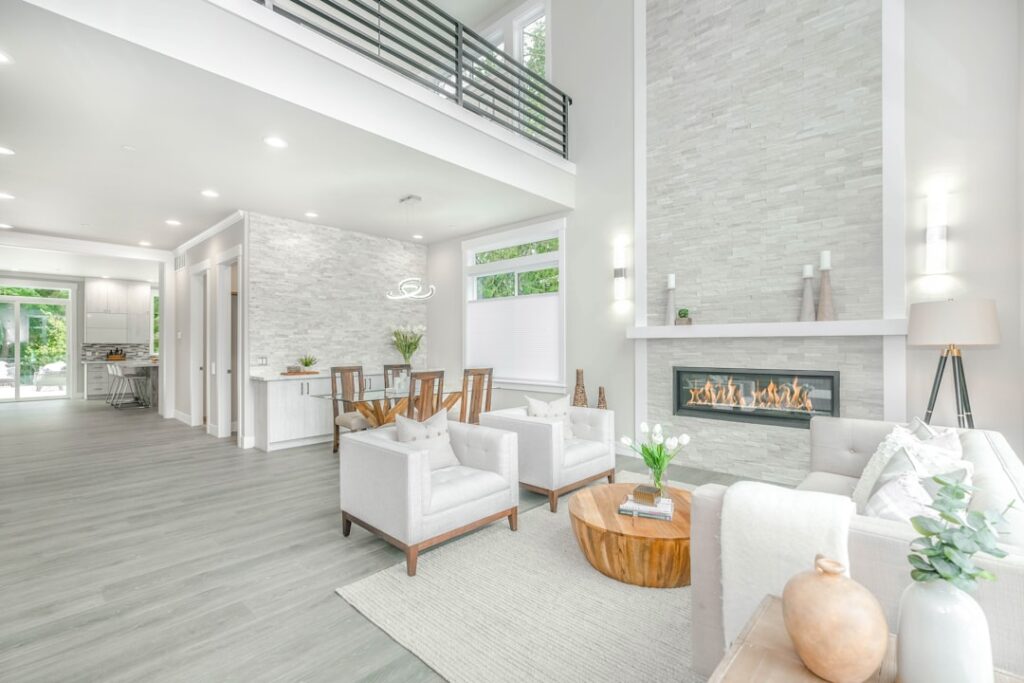
A sage green rug is one of the easiest ways to bring quiet, organic color into a room without overwhelming it. Sage sits in that soft, grayed-down corner of the green family, so it behaves almost like a neutral while still adding warmth and personality. It plays well with wood floors, white walls, and earthy accents, which is why interior designers reach for it again and again. If you are weighing whether a sage rug fits your space, here is everything to consider before you buy.
Why Sage Green Works So Well
Sage is a muted blend of green and gray, sometimes leaning slightly olive. That softness is its superpower. Bold colors can dominate a room and clash with existing furniture, but sage recedes gently and lets your other pieces shine. It reads as calm and natural, which makes it a popular choice for bedrooms, living rooms, and home offices where you want a restful mood. Because it borrows from both warm and cool tones, sage flatters a surprisingly wide range of palettes.
Choosing the Right Size
Size is where most rug purchases go wrong. A too-small rug makes a room feel disjointed. Use these guidelines:
- Living room: Aim for an 8×10 or 9×12 so at least the front legs of your sofa and chairs sit on the rug. This anchors the seating area.
- Bedroom: A 9×12 under a queen or king bed lets the rug extend well past the sides and foot. Alternatively, use runners on each side.
- Dining room: Choose a rug at least 24 inches wider than the table on all sides so chairs stay on the rug when pulled out.
- Entry or kitchen: Runners and 3×5 accent sizes add a pop of sage without committing the whole floor.
Materials and Pile
The fiber determines how a sage rug feels, wears, and cleans. Match it to the room’s traffic.
Wool
Wool is the gold standard: naturally stain-resistant, resilient, and soft underfoot. A quality wool sage rug holds its color and bounces back from foot traffic, though it costs more, often $300 to $1,500 depending on size and weave.
Synthetics
Polypropylene and polyester rugs are budget-friendly, easy to clean, and often fade-resistant, making them practical for high-traffic or sunny rooms. Many indoor-outdoor sage rugs are polypropylene, which shrugs off spills and sunlight.
Natural Fibers and Jute
Jute and sisal in a sage wash add wonderful texture but are harder to spot-clean and less plush, so they suit lower-traffic or layered settings.
Styling a Sage Green Rug
Sage is endlessly flexible, but a few pairings make it sing. With white or cream walls, a sage rug feels fresh and airy. Against warm wood floors, it deepens the natural, organic mood. For accents, terracotta, mustard, blush, and warm brass complement sage beautifully, while crisp white and soft black keep the look modern. If your room leans cool, pair sage with charcoal and dusty blue for a serene, sophisticated palette.
Texture also matters. A high-low or hand-knotted sage rug adds depth, while a flatweave reads clean and contemporary. Layering a small sage rug over a larger jute base is a designer trick that adds dimension for very little money.
Where Sage Green Rugs Shine
Because sage is calming, it is a natural fit for bedrooms and reading nooks. In a living room, it grounds a neutral sofa and invites in greenery and plants. Home offices benefit from its focus-friendly, low-stimulation tone. Even bathrooms and kitchens can wear a small washable sage rug for a hit of spa-like color.
Patterns and Textures to Consider
Sage works in nearly any pattern, so let the rest of the room guide you. A solid sage rug reads modern and lets bold furniture or art take the spotlight, while a subtle tonal pattern adds interest without competing for attention. Traditional Persian and Oriental designs in muted sage and ivory bring timeless warmth to a living room, and geometric or abstract sage rugs feel fresh and contemporary. For a casual, organic vibe, a sage flatweave or a hand-loomed wool with visible texture suits farmhouse and boho rooms alike.
Texture is just as important as pattern. A plush, high-pile sage rug invites bare feet in a bedroom, while a low-pile or flatweave is easier to vacuum and better suited to dining rooms where chairs slide. High-low rugs, which combine cut and looped fibers, add dimension and a designer feel that makes a simple sage rug look more expensive than it is.
Common Decorating Mistakes
The biggest mistake is matching sage too literally to other green elements in the room, which can flatten the palette. Instead, let sage be the anchor and surround it with complementary neutrals and one or two accent colors. Another error is buying a rug that is too small, which makes the whole room feel undersized. Finally, remember that sage shifts with lighting; bring a sample home and view it in both daylight and lamplight before committing, since some sages lean gray and others lean olive.
Care and Maintenance
Keeping a sage rug looking fresh is straightforward. Vacuum weekly to lift grit that grinds fibers down, and rotate the rug every few months so it wears and fades evenly, especially near sunny windows. Blot spills immediately rather than rubbing, which pushes stains deeper. Use a rug pad underneath; it cushions the rug, prevents slipping, and extends its life dramatically. For wool, have it professionally cleaned every couple of years, and check synthetic rugs for machine-washable labels.
Budgeting for a Sage Rug
Prices span a wide range. Small synthetic accent rugs start around $40 to $80, mid-size machine-made wool blends land between $150 and $500, and large hand-knotted wool pieces can exceed $1,500. Decide how long you want the rug to last and how much traffic it will see; a durable wool rug in a busy room often costs less over time than replacing cheap synthetics every few years.
Final Thoughts
A sage green rug is a low-risk, high-reward way to add calm, nature-inspired color to almost any room. Choose a size that anchors your furniture, pick a fiber suited to your traffic, and lean on sage’s neutral-like flexibility when styling. With a quality rug pad and routine care, your sage rug will keep a room feeling grounded and serene for years to come.