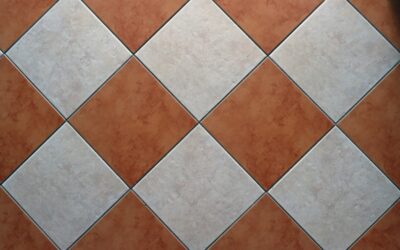
Few finishes feel as calm underfoot as a warm, neutral floor, and sand tile delivers exactly that without the upkeep of natural stone. Whether you are drawn to a soft beige porcelain plank or a genuine sandstone slab, sand tile gives a room that grounded, coastal-adjacent look that pairs with almost any wall color. I have installed it in bathrooms, kitchens, and open-plan living areas, and it consistently reads as more expensive than it costs.
Part of our Tile & Grout guide — explore the full guide →
This guide walks through the material options, where the look works best, what you will pay, and how to keep it looking fresh for decades. My goal is to help you buy once and buy right.
What Sand Tile Actually Is
The term covers two different things. The first is any tile manufactured in a sand-colored palette: beige, buff, tan, greige, or pale gold. The second is tile that mimics real sandstone, a sedimentary rock with subtle graining and a matte, slightly gritty face. Most of what homeowners buy today is porcelain printed to look like sandstone, because it gives the warmth of stone with far better durability.
Color-wise, expect tones that shift with the light. A slab that looks flat tan at noon warms to gold under a lamp. That movement is the whole appeal, so never judge a sample under fluorescent store lighting alone. Bring it home and set it against your cabinets and trim.
Material Options and How They Compare
Not all sand-toned tile performs the same. Here is how the common choices stack up.
- Porcelain: Fired dense and rated for low water absorption (under 0.5%). Best all-around pick for floors, showers, and outdoor patios. Frost-resistant when rated for it.
- Ceramic: Softer and cheaper, better for walls and light-traffic floors. Absorbs more water, so it is not ideal for a busy entry or exterior use.
- Natural sandstone: The real thing, quarried in slabs. Gorgeous depth, but porous and must be sealed. Reserve it for spaces you are willing to maintain.
- Porcelain slab (large format): Panels up to 48 by 108 inches that cut grout lines dramatically for a seamless sand-color surface.
For most projects I steer clients to porcelain. It shrugs off scratches, resists staining, and never needs sealing, which matters in a kitchen where oil and wine find the floor.
Design Considerations
Sand tones lean warm, so balance them against cooler accents to avoid a room that feels one-note. White or charcoal grout, matte black fixtures, and a little greenery keep the palette from turning muddy. Match your grout to the tile for a monolithic look, or go a shade darker to define each piece.
Format matters as much as color. Large 24-by-24-inch squares or long 12-by-48-inch planks make a small room feel bigger and reduce the grout you have to clean. Traditional 12-by-12-inch squares still work but read more dated. For showers, a small hexagon or 2-inch mosaic in the same sand tone gives feet grip while tying the design together.
Where to Use It
This is a versatile finish. It handles wet and dry rooms alike as long as you match the tile rating to the job.
- Bathrooms and showers: Warm underfoot look, easy to keep clean. Choose a matte or textured face for slip resistance.
- Kitchens: Hides crumbs and light dirt between mopping better than a stark white floor.
- Entryways and mudrooms: Porcelain rated for high traffic takes grit and moisture without complaint.
- Patios and pool decks: A textured, frost-rated porcelain sandstone look stays cooler than dark tile and grips wet feet.
- Fireplace surrounds and accent walls: The organic tone softens a modern living room.
Buying Considerations
Before you order, sort out a few specs that separate a good buy from a callback.
- PEI rating: For floors, buy PEI 4 or 5. That number tells you the surface can take foot traffic without wearing down.
- Slip rating (DCOF): Look for 0.42 or higher on any wet-area or exterior floor.
- Rectified vs. cushioned edge: Rectified tiles are cut precisely for tight 1/8-inch grout lines. Cushioned edges need wider joints.
- Dye lot: Buy all your tile in one lot and add 10% overage for cuts and future repairs. Sand tones vary noticeably batch to batch.
Order a couple of full pieces as samples, not just chips. A chip cannot show you the pattern repeat, and cheap printed tile gives itself away when the same face repeats every fourth piece.
Installation
Tile is only as good as the surface under it. Start with a flat, rigid substrate. Over a wood subfloor, that means cement board or an uncoupling membrane to prevent cracks from telegraphing through. Concrete needs to be clean, cured, and level within 1/8 inch over 10 feet.
Use a modified thin-set rated for the tile size, and back-butter any piece over 15 inches to get full coverage. Large-format sand tile is unforgiving of lippage, so a leveling clip system pays for itself. Let mortar cure 24 hours before grouting, then seal the grout lines once everything has cured a few days. A pro will charge for the labor, but a botched large-format install is expensive to redo.
Care and Maintenance
Porcelain sand tile is close to zero-maintenance. Sweep or vacuum grit, then damp-mop with a pH-neutral cleaner. Skip vinegar and harsh acids, which can etch grout over time. If you chose natural sandstone, reseal it every 12 to 18 months with a penetrating stone sealer, and wipe spills fast because the stone drinks in oil and wine.
Grout is the real maintenance item. Seal cement grout yearly, or specify epoxy grout up front to skip that chore entirely. Warm water and a soft brush lift most staining before you reach for anything stronger.
Pros and Cons
Weigh the trade-offs before you commit.
- Pros: Warm neutral palette that hides dirt, durable in porcelain form, works indoors and out, pairs with nearly any decor, cooler surface than dark tile in sun.
- Cons: Cheap printed versions show pattern repeats, natural stone needs sealing, grout demands upkeep, and cold underfoot without radiant heat.
Cost Breakdown
Prices vary by material and format. Here is a realistic 2026 range in USD for the tile itself, before labor.
- Ceramic sand tile: $2 to $5 per square foot.
- Porcelain sandstone look: $4 to $9 per square foot.
- Large-format porcelain slab: $8 to $18 per square foot.
- Natural sandstone: $6 to $15 per square foot.
- Professional installation: $8 to $15 per square foot, higher for large format or intricate patterns.
For a typical 200-square-foot bathroom in mid-grade porcelain with pro labor, budget roughly $3,000 to $5,000 all in, including thin-set, grout, and trim.
Frequently Asked Questions
Is sand tile good for bathrooms? Yes. Choose a matte or textured porcelain with a DCOF of 0.42 or higher so it stays slip-resistant when wet.
Does it show dirt? Less than white or very dark tile. The mid-tone color hides crumbs and dust between cleanings, one of its biggest practical advantages.
Can I use it outdoors? Only if the tile is rated frost-resistant and slip-resistant. Porcelain rated for exterior use handles freeze-thaw cycles that would crack ceramic.
What grout color works best? A matching sand tone for a seamless look, or one shade darker if you want the tile pattern to read clearly. Avoid bright white, which stains fast on a floor.
Chosen well and installed on a solid substrate, sand tile is one of the safest design bets in the tile aisle. It flatters almost any room, forgives daily mess, and lasts for decades with minimal fuss.
Prefer to explore on your own?
See how new flooring looks in your actual room in seconds — free, no signup.
Try the free Floor Studio →