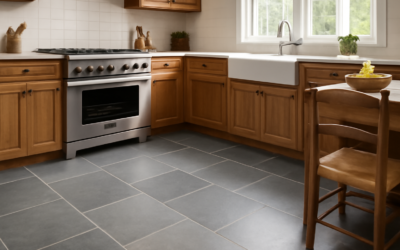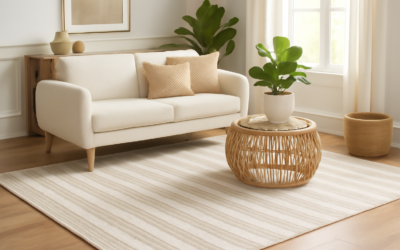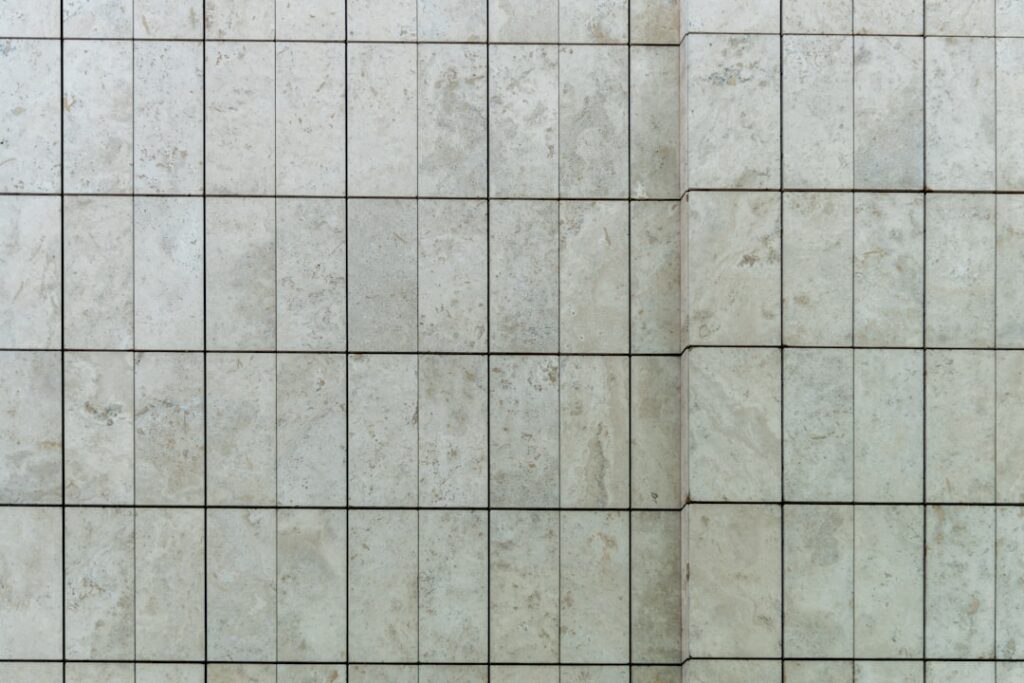
If you have been shopping for a warm, earthy stone-look floor, you may have come across Montauk Sand Dune tile, a popular porcelain line that captures the soft golden and beige tones of natural slate without the maintenance headaches of real stone. The Montauk collection is known for realistic texture and a color palette that mimics quarried slate, and the Sand Dune shade sits at the warm, sandy end of that range. This guide covers what the tile looks like, where it works, what it costs, and how to install and care for it.
Part of our Tile & Grout guide — explore the full guide →
What Montauk Sand Dune Tile Is
Montauk Sand Dune is a through-body porcelain tile designed to replicate the look of natural slate. Instead of quarrying and cutting stone, manufacturers use high-resolution printing and textured molds to reproduce slate’s cleft surface, subtle color shifts, and matte finish. The Sand Dune colorway leans warm, blending pale tan, honey, soft gray, and hints of rust for a floor that feels grounded and inviting.
Because it is porcelain rather than real slate, the tile is denser, more consistent, and far easier to live with. You get the rugged, natural appearance of stone with the durability and low upkeep that porcelain is known for.
Why Choose a Slate-Look Porcelain
Natural slate is beautiful but demanding. It flakes, varies wildly in thickness, needs regular sealing, and can be tough to keep clean. A slate-look porcelain like Montauk Sand Dune solves those problems while keeping the aesthetic:
- Consistent thickness and size makes installation more predictable than real cleft stone.
- Very low water absorption means the tile resists stains and moisture without constant sealing.
- Color runs through printed layers so the surface stays attractive as it wears.
- No flaking or spalling the way natural slate can shed thin layers over time.
For homeowners who love the look of slate but want a floor they can mop and forget, this category is a natural fit.
Colors and Coordinating Shades
Sand Dune is the warmest, sandiest tone in a slate-look family that typically also includes cooler grays and deeper charcoals. That warmth makes it easy to pair with wood cabinetry, cream walls, and earth-tone decor, and it hides dust and sandy footprints better than a dark tile. Because each tile carries natural-looking variation, most collections offer a high shade variation rating, so no two pieces look identical, which reinforces the authentic stone effect.
Cost and Sizing
Slate-look porcelain in this class is competitively priced against other quality porcelain floors. Plan around these ranges:
- Tile material: $2 to $6 per square foot depending on size and retailer.
- Common sizes: often available in 12×12, 12×24, and 6×24 plank formats, giving you layout flexibility.
- Installation: $6 to $14 per square foot for professional setting, thinset, and grout.
A 200-square-foot room might run $1,600 to $4,000 installed with mid-grade tile. Buying a larger format like 12×24 covers ground faster and produces fewer grout lines, which can shave labor time.
Where It Works Best
The warm, textured surface of Sand Dune suits a wide range of spaces. It is a strong choice for entryways and mudrooms, where its color hides tracked-in dirt, and for kitchens, bathrooms, and laundry rooms thanks to porcelain’s water resistance. The textured, slate-like face also offers decent slip resistance, which matters in wet zones.
Many versions in this category are frost-rated, meaning you can carry the same tile onto a covered patio or three-season porch for an indoor-outdoor flow. Always confirm the specific tile’s frost and slip ratings before using it outside or in a shower.
Installation Tips
Setting slate-look porcelain follows standard tile practice, but a few details help the finished floor look convincing:
- Flatten the subfloor so tiles sit even, especially with the longer 12×24 planks that can show lippage.
- Vary the pieces by pulling from several boxes as you go, blending the natural color shifts so no cluster of similar tiles stands out.
- Choose grout carefully in a tan or gray that matches the tile, which keeps the focus on the stone look rather than the grid.
- Use a quality thinset and the right trowel notch for the tile size, back-buttering larger planks for full coverage.
Because the surface has a textured, cleft-like face, wipe grout off promptly during cleanup so it does not lodge in the low spots of the texture.
Cleaning and Maintenance
This is where slate-look porcelain earns its keep. Unlike real slate, it needs no sealing. Routine care is simple: sweep or vacuum to remove grit, then damp-mop with a pH-neutral cleaner. Avoid harsh acidic cleaners and oil-based soaps that can leave residue in the textured surface. The grout lines benefit from occasional sealing to keep them stain-free, but the tile itself is essentially maintenance-free for the life of the floor.
Choosing the Right Size and Layout
The format you pick shapes both the look and the labor of the finished floor. A 12×12 square reads classic and works well in smaller rooms, while a 12×24 plank feels more contemporary and covers ground faster with fewer grout lines. A 6×24 plank can even be run in a wood-look staggered pattern, blending the stone appearance with the proportions of a plank floor.
- Straight grid or stacked: Clean and modern, best with the square format.
- Staggered offset: Popular with plank sizes; keep the offset under one-third of the plank length to avoid lippage.
- Larger formats: Fewer joints and a more seamless slate-look surface, but they demand a flatter subfloor.
Whichever layout you choose, pull tiles from several boxes as you set them so the natural color variation distributes evenly across the floor rather than clustering.
Pros and Cons to Consider
Slate-look porcelain like Sand Dune offers a compelling mix of benefits, with only a few trade-offs to weigh:
- Pros: No sealing, excellent water and stain resistance, realistic slate texture, warm dirt-hiding color, and consistent sizing that makes installation predictable.
- Cons: It is a reproduction, so purists may miss the authenticity of real stone, and the textured surface takes a bit more care during grout cleanup so residue does not lodge in the cleft.
For the vast majority of homeowners, the durability and low maintenance easily outweigh the fact that it is not quarried stone. You get the look you want without the flaking, sealing, and fragility that come with the genuine article.
If you are comparing brands, look closely at the printing quality and the number of distinct tile faces in a collection. Higher-end slate-look porcelains use a dozen or more unique face patterns, so the repeat is hard to spot across a large floor. Cheaper lines recycle only a handful of faces, and the eye eventually catches the repetition. Ordering a few loose tiles to lay out at home, in your own light, is the best way to judge whether a given Sand Dune tile reads as convincing stone or as an obvious print before you commit to a full floor.
Is Montauk Sand Dune Right for You?
Choose Montauk Sand Dune tile if you want the warm, natural character of slate with none of the fragility and upkeep. It fits homeowners who value durability, easy cleaning, and a color that hides dirt and coordinates with earthy, transitional, and rustic interiors. If your heart is set on genuine quarried stone with all its imperfections, real slate is still an option, but for most families the porcelain look-alike delivers the same warm aesthetic at a lower long-term cost. Confirm the size, finish, and frost rating that match your project, and you will have a floor that looks like stone and lives like porcelain.
Prefer to explore on your own?
See how new flooring looks in your actual room in seconds — free, no signup.
Try the free Floor Studio →