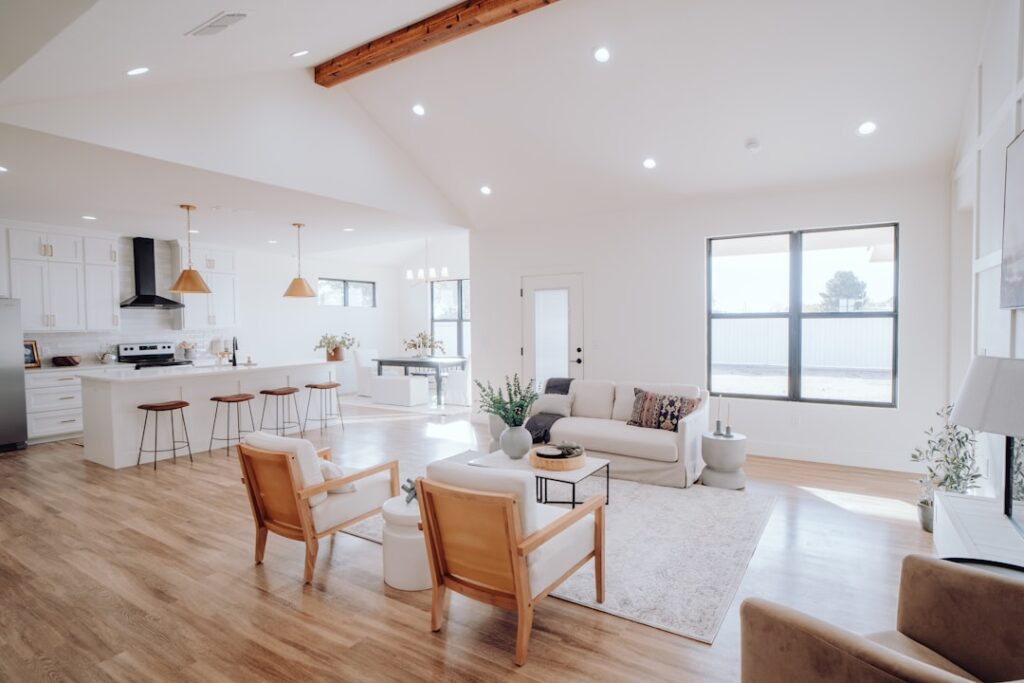
Choosing an exterior paint sheen trips up more homeowners than choosing the color. Go too flat and the surface streaks and stains; go too glossy and every dent and brushstroke jumps out in the sunlight. Satin exterior paint sits right in the sweet spot — a soft, low-luster finish that resists moisture and dirt while hiding surface imperfections better than shinier options. It has become the default choice for siding on millions of homes, and for good reason. This guide explains where satin belongs, how it stacks up against other sheens, and how to apply it for a finish that lasts.
Part of our Paint & Walls guide — explore the full guide →
- What "Satin" Sheen Actually Means
- Where Satin Exterior Paint Works Best
- Satin vs. Flat vs. Semi-Gloss
- Durability and Weather Performance
- Coverage and How Much You Need
- Application Tips for a Professional Finish
- Cost Considerations
- Best Surfaces and Materials for Satin
- Prep and Priming: The Foundation of a Lasting Finish
- The Bottom Line
What “Satin” Sheen Actually Means
Sheen describes how much light a dried paint film reflects. Manufacturers rate it on a scale from flat (no reflection) to high-gloss (mirror-like). Satin lands in the lower-middle of that scale, giving a gentle, velvety glow — noticeably more sheen than flat or matte, but far softer than semi-gloss. Some brands market a nearly identical product as “low-lustre” or “eggshell,” though exterior eggshell tends to be a touch flatter than satin.
That modest reflectivity is not just cosmetic. More sheen means more binder and a tighter, less porous film, which is why satin sheds water and resists dirt better than flat paint while still forgiving the lumps and bumps of aging siding.
Where Satin Exterior Paint Works Best
Satin is the workhorse sheen for the broad, flat surfaces of a house. Its balance of durability and imperfection-hiding makes it ideal for:
- Siding — wood, fiber cement, vinyl, and stucco all take satin well.
- Shutters and garage doors — enough sheen to clean, enough softness to look refined.
- Porch ceilings and columns — resists moisture without a glaring shine.
- Doors in a subtle setting — where semi-gloss would feel too flashy.
Because it cleans up with a hose or a soft brush, satin is a smart pick for surfaces that catch dust, pollen, and the occasional splash of mud.
Satin vs. Flat vs. Semi-Gloss
Each sheen has a job. Knowing the trade-offs keeps you from painting your siding in a finish you will regret.
Satin vs. Flat
Flat paint hides imperfections best and is the traditional choice for aged or textured siding, but its porous surface holds dirt and cannot be scrubbed without burnishing. Satin hides almost as well, cleans far better, and repels water more effectively — which is why it has largely displaced flat on modern siding.
Satin vs. Semi-Gloss
Semi-gloss is tougher and more washable, and it is the right call for trim, railings, and front doors where you want crisp contrast and easy cleaning. But its high reflectivity magnifies every flaw, so it is a poor choice for large siding expanses. The common approach is satin on the body of the house and semi-gloss on the trim and doors.
Durability and Weather Performance
A quality 100% acrylic satin exterior paint holds up for 7 to 10 years before it needs recoating, and premium formulas push toward 15 years with proper prep. The tighter film resists cracking, peeling, fading, and mildew better than flat. In humid or coastal climates, satin’s moisture resistance is a real advantage — water beads and runs off instead of soaking in.
UV resistance is where paint quality matters more than sheen. Choose a fade-resistant acrylic in a stable, less-saturated color if the wall faces harsh afternoon sun. Deep reds and bright blues fade fastest regardless of sheen.
Coverage and How Much You Need
A gallon of exterior satin covers roughly 300 to 400 square feet per coat on smooth siding, less on rough stucco or bare wood that drinks the first coat. Plan on two coats for durability and even color, and always prime bare or heavily weathered surfaces first.
To estimate, measure the perimeter of your house, multiply by the wall height, and subtract the big window and door openings. Divide the total square footage by 350, then double it for two coats. A typical 2,000-square-foot two-story home needs roughly 12 to 16 gallons for the body.
Application Tips for a Professional Finish
Sheen is unforgiving of shortcuts — the slight reflectivity that makes satin attractive also reveals lap marks and thin spots. A few habits make the difference:
- Prep thoroughly: Wash off chalk and mildew, scrape loose paint, sand glossy spots, and prime bare wood. Satin sticks best to a clean, dull surface.
- Paint in the shade: Direct sun dries the leading edge too fast and causes lap marks. Follow the shade around the house.
- Keep a wet edge: Work in manageable sections and blend into paint that is still wet.
- Mind the weather: Apply between 50°F and 85°F, and avoid painting if rain is expected within 24 hours or on high-humidity days.
- Back-brush sprayed paint: If you spray, follow with a brush or roller to work the paint into the surface for better adhesion.
Cost Considerations
Exterior satin runs $35 to $75 per gallon depending on brand and quality. Do not cheap out on the body of your house — the premium acrylics cost more per gallon but last years longer, saving you the far bigger expense of repainting sooner. For a professional job, expect $2 to $5 per square foot including labor and materials, with prep-heavy older homes at the top of that range.
Best Surfaces and Materials for Satin
Satin performs differently across siding materials, and knowing the quirks helps you get a lasting finish. On wood siding, satin’s moisture resistance helps shed rain, but bare or weathered wood must be primed first or the paint will peel. On fiber cement like HardiePlank, satin bonds beautifully and is the manufacturer-preferred sheen for the body. Stucco takes satin well too, though its texture drinks more paint — budget extra.
Vinyl siding can be painted with satin, but only with a formula rated for vinyl and only in a color no darker than the original, since dark colors absorb heat and can warp the panels. Brick and masonry generally take a specialized masonry paint rather than standard satin. Matching the paint to the substrate is as important as the sheen itself.
Prep and Priming: The Foundation of a Lasting Finish
Even the best satin fails on a poorly prepped surface. Start by power-washing the exterior to strip dirt, chalk, mildew, and loose material, then let it dry fully — usually a day or two. Scrape and sand any peeling paint back to a sound edge, feather the transitions smooth, and spot-prime every bare patch. Glossy old paint should be dulled with a light sanding so the new coat can grip.
Prime bare wood, stains, and repairs with a quality exterior primer; the primer seals the surface, blocks tannin bleed from woods like cedar and redwood, and gives the satin topcoat a uniform base to adhere to. Skipping primer on bare or repaired areas is the single most common cause of premature peeling. Caulk gaps around trim, windows, and joints before painting to keep water out of the wall assembly.
The Bottom Line
For the main body of a house, satin exterior paint is the sheen that gets it right — durable enough to clean and shed water, soft enough to hide the imperfections that a glossier finish would broadcast. Pair it with semi-gloss trim, invest in a quality 100% acrylic formula, prep the surface properly, and paint in the shade. Do that and your home will look freshly finished for the better part of a decade.
If you are still torn on sheen, remember the simple rule the pros use: the flatter the sheen, the more it hides but the less it cleans; the glossier the sheen, the more it cleans but the more it shows. Satin sits deliberately in the middle so you rarely regret it on siding. When you buy, purchase all your body paint in one batch with matching tint codes so the color is consistent across the whole house, and keep a labeled quart of leftover for future touch-ups. Those small steps protect the investment you just made in prep, primer, and a quality satin topcoat.