Most failed Section 8 inspections come down to a handful of small, fixable items: a dead smoke alarm, a missing outlet cover, a bedroom window painted shut, or a water heater relief valve with no discharge pipe. A practical section 8 housing inspection checklist lets landlords catch those problems before the inspector does, so the unit passes the first time, the tenant moves in on schedule, and housing assistance payments start without delay.
Units rented through the Housing Choice Voucher program must meet federal housing quality standards set by HUD, and the local public housing agency carries out the inspections. Those standards have been revised in recent years, and many agencies add local requirements of their own. Requirements are set by the program and can change, so confirm the current inspection standards and any local additions with your local housing authority before you schedule.
- Section 8 Housing Inspection Checklist: What Inspectors Look For
- Room-by-Room Section 8 Housing Checklist
- The Most Frequent Fail Items and How to Fix Them
- Lead Paint and Asbestos Rules for Older Units
- Electrical Safety for Landlords
- Preparing for Inspection Day
- Keeping Units Ready Between Inspections
- If the Unit Fails
- Frequently Asked Questions
Section 8 Housing Inspection Checklist: What Inspectors Look For
So what do Section 8 inspectors look for? The inspection is about health and safety, not luxury. Inspectors look for a unit that is sanitary, structurally sound, free of hazards, and equipped with working basic systems. They walk every room, test smoke alarms, check outlets, run faucets, inspect windows and doors, look at the heating system and water heater, and review the exterior and common areas. A unit can be modest and still pass easily if it is clean, safe and in good repair.
Inspections happen before a new lease starts and then periodically, often every year or two depending on the agency. Tenants or the agency can also request special inspections if a problem is reported.
Room-by-Room Section 8 Housing Checklist
Throughout the Unit
- Working smoke alarms on every level and in or near sleeping areas, as required locally.
- Carbon monoxide alarms where the unit has fuel-burning appliances or an attached garage, per local rules.
- No peeling, chipping or flaking paint, especially in units built before 1978.
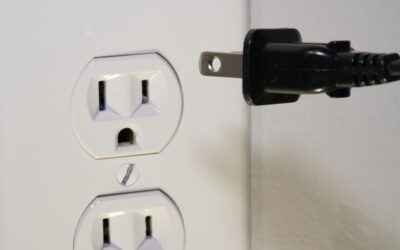
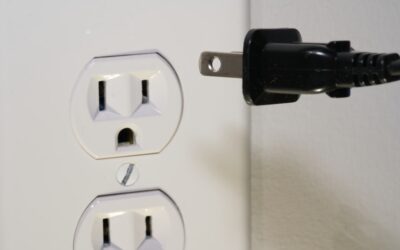
- Every outlet and switch with an intact cover plate; no exposed wiring.
- Walls, ceilings and floors free of holes, large cracks, buckling or water damage.
- No signs of pest infestation such as droppings or live insects.
- Adequate heat source that works and can keep the unit comfortable.
Living Room and Bedrooms
- At least one window in each living room and sleeping room; windows that open in bedrooms and are not painted or nailed shut, providing a way out in an emergency.
- Window locks on accessible windows, and no cracked or broken panes.
- Two working outlets, or one outlet and a permanent light fixture, in most living rooms and bedrooms.
- Entry doors that close, latch and lock.
Kitchen
- Working stove or range with all burners and oven functioning.
- Working refrigerator, if one is supplied with the unit.
- Sink with hot and cold running water and a working drain.
- Space to store and prepare food, and a working light.
- Ground-fault protected outlets near the sink, where required.
Bathroom
- Working toilet that flushes and does not leak.
- Sink and tub or shower with hot and cold water and proper drainage.
- A window that opens or a working exhaust fan.
- Ground-fault protected outlets near water, where required.
- No soft or rotted flooring around the toilet or tub.
Water Heater and Heating
- Temperature and pressure relief valve with a discharge pipe running toward the floor or an approved location.
- Gas water heaters and furnaces properly vented, with no rusted or disconnected flue pipes.
- No combustibles stored next to fuel-burning equipment.
Exterior and Common Areas
- Handrails on stairways with several steps, and guards on porches and balconies with a drop.
- Roof, gutters and siding in good repair with no active leaks.
- Walkways free of trip hazards.
- Yard free of trash, debris and abandoned vehicles.
The Most Frequent Fail Items and How to Fix Them
- Smoke alarms not working. Test every unit and replace batteries, or swap old alarms (most are rated for about 10 years) with new ones. A sealed long-life battery smoke alarm cuts down on tenant tampering and dead batteries between inspections. Hardwired interconnected alarms should be replaced like-for-like; turn off the breaker and confirm power is off with a non-contact voltage tester before disconnecting one.
- Missing or cracked outlet covers. Replace with new plates after shutting off the breaker and confirming the circuit is dead.
- No GFCI near water. Ground-fault protection in kitchens, bathrooms, laundry areas and outdoor outlets is a frequent ask. Replacing a standard outlet with a GFCI device is a job for a licensed electrician if you are not experienced, and any new outlet or circuit should be installed by one.
- Peeling paint. Stabilize and repaint using lead-safe practices on older properties.
- Bedroom windows that do not open. Free stuck sashes, replace broken balances or remove nails and paint so the window operates.
- Water heater relief valve without a discharge line. Add a proper discharge pipe, a quick plumbing fix.
- Leaky faucets and running toilets. Replace washers, cartridges, flappers and fill valves.
- Missing handrails. Install sturdy rails anchored into framing.
- Burners or appliances not working. Repair or replace before inspection day.
- Broken windows and torn screens. Replace cracked glass and damaged locks.
Lead Paint and Asbestos Rules for Older Units
Paint in units built before 1978 gets extra scrutiny because of lead hazards to young children. Test paint before sanding, scraping or demolition. If lead is present, use lead-safe work practices: contain the area with plastic, mist surfaces instead of dry sanding, avoid open-flame burning and high-speed power sanders, and clean with HEPA vacuums and wet wiping. Paid work on pre-1978 rental housing generally requires a contractor certified in lead-safe practices, and some agencies require clearance testing after paint repairs.
Flooring, adhesive, pipe insulation, textured ceilings, plaster and joint compound installed before the 1980s may contain asbestos. Test before cutting or removing, and hire a licensed abatement contractor if results are positive. Encapsulating or leaving intact material in place is often the safer path.
Electrical Safety for Landlords
Many fail items are electrical, and quick fixes can turn dangerous. Turn off the breaker and confirm power is off with a non-contact voltage tester before replacing covers, switches or alarms. Do not test energized circuits or work inside the panel. Kitchen, bath, laundry and exterior outlets need GFCI protection where required. Tell tenants to plug space heaters and large appliances directly into wall outlets rather than extension cords. Panel issues, new circuits, new outlets and any rewiring belong to a licensed electrician.
Preparing for Inspection Day
Walk the unit with the checklist a week ahead, so there is time to order parts and book trades. Make sure all utilities the landlord is responsible for are on. Test every alarm, every burner, every faucet and every window. Clean the unit thoroughly, since visible grime and debris can lead to notes on sanitation. On occupied units, coordinate with the tenant to clear access to windows, the water heater and electrical panel, and remind them that disabled smoke alarms are a fail.
Small repairs like covers, batteries, flappers and caulk cost very little. GFCI installation, window repairs and appliance replacements range from moderate to a few hundred dollars per item, and a water heater or heating repair can run higher. Passing on the first visit avoids re-inspection scheduling and delayed rent.
Keeping Units Ready Between Inspections
Passing once is easier than scrambling every cycle. Keep a copy of your section 8 housing inspection checklist with each unit file and walk the unit at every turnover, plus a quick mid-lease check with the tenant’s permission where the lease and local law allow. Replace smoke alarm batteries on a set schedule, check under sinks for slow leaks, and look at caulk around tubs before water damages the subfloor. Keep a small stock of cover plates, toilet flappers, faucet cartridges, window locks and alarm units so routine fixes take minutes instead of a store run.
Clear communication helps too. Give tenants a simple sheet explaining that disabled alarms, blocked windows and stored items against the water heater can cause a fail, and ask them to report leaks and broken appliances promptly. Many repeat failures trace back to small problems nobody reported until the inspector arrived.
If the Unit Fails
The housing authority provides a list of deficiencies and a deadline for corrections, often around 30 days, with shorter windows for life-threatening items like gas leaks, exposed wiring or missing smoke alarms. Fix every listed item, keep receipts, and schedule the re-inspection. Some agencies accept photos or a landlord certification for minor items. Missing deadlines can pause housing assistance payments, so treat the list as urgent.
Frequently Asked Questions
What is the most common reason a Section 8 inspection fails?
Non-working smoke alarms, missing outlet covers, peeling paint and windows that do not open or lock are among the most frequent fail items.
Who pays for repairs to pass a Section 8 inspection?
The landlord is responsible for most repairs. Tenants can be responsible for damage they cause and for items they agreed to maintain, depending on the lease.
How often are Section 8 units inspected?
Before move-in and then periodically, commonly every one to two years, depending on the local housing authority. Special inspections can be requested if problems arise.
Do Section 8 inspections require a refrigerator?
The unit must have a working refrigerator, which the landlord or the tenant can supply depending on the lease. Confirm the local rule with the housing authority.
Can I use photos instead of a re-inspection?
Some agencies accept photos or a signed certification for minor deficiencies. Ask your local housing authority what documentation it accepts.