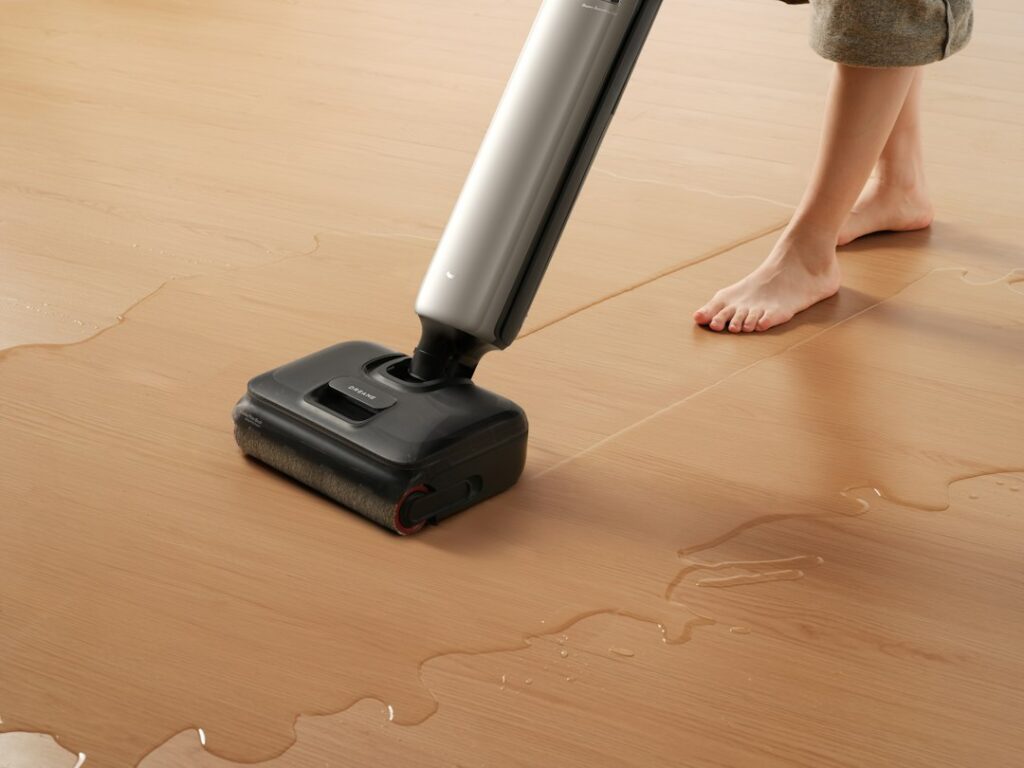
A self cleaning wet dry vacuum rinses its own brush roller after you finish mopping, but it does not clean the whole machine. The self-clean cycle flushes the roller and the suction path with clean water, and many docks then blow warm air across the roller to dry it. What stays behind is a dirty water tank, a damp filter, and a scraper tray full of hair and grit, and those parts are where nearly every complaint about sour smells and streaky floors comes from.
So the honest answer to “do I still have to clean it?” is yes, just less often and with less mess. Plan on emptying the dirty tank after every use, rinsing the filter and scraper tray once or twice a week, and doing a deeper clean of the roller, seals and dock about once a month. Follow that routine and the machine keeps leaving clear, streak-free floors instead of spreading yesterday’s dirty water across today’s tile.
- How a Self Cleaning Wet Dry Vacuum Works
- Tools and Supplies for Routine Upkeep
- Step-by-Step Maintenance Routine
- Why Floors Streak or Smell (and How to Fix It)
- Floor Types and Usage Tips
- What It Costs to Own and Maintain
- Choosing a Model With Easier Upkeep
- Electrical and Handling Safety
- When to Repair or Replace
- Frequently Asked Questions
We cover how the cycle works, what each part needs, how to fix the common problems, and when a repair shop or a replacement makes more sense than another round of scrubbing.
How a Self Cleaning Wet Dry Vacuum Works
Every wet dry floor cleaner in this class runs two separate water systems. A clean water tank feeds a mix of water and floor solution onto a spinning roller, usually a soft microfiber or nylon-bristle cylinder. The roller scrubs the floor while suction pulls the dirty water, crumbs and hair back up into a dirty water tank. Because suction and scrubbing happen together, the same pass picks up dry debris and wet spills, which is why these machines are called wet dry.
The self cleaning part happens at the dock. When you park the machine and press the cleaning button, the pump floods the roller with clean water while the roller spins at high speed and the motor runs suction. Water sprays through the roller and down the suction channel, carrying trapped grime into the dirty tank. A typical cycle takes 1 to 3 minutes and uses a few ounces of clean water.
What the drying dock adds
Higher-end models follow the rinse with a drying phase. A small fan and heating element in the base push warm air across the roller for anywhere from 30 minutes to a few hours. Some let you pick a short or long dry. This matters more than it sounds: a microfiber roller that sits wet in a closed dock overnight is the single biggest source of musty odor. A drying dock cuts that risk sharply, though it cannot dry the dirty tank or the filter, which still hold moisture.
What the cycle does not do
- It does not empty or rinse the dirty water tank.
- It does not clean the float, filter or screen inside that tank.
- It does not remove hair wrapped around the roller ends or axle.
- It does not scrub the scraper bar, the roller cover, or the channel under the head.
- It does not wipe the dock tray, where rinse water and grit collect.
Tools and Supplies for Routine Upkeep
You need very little to keep one of these cleaners in good shape. Most of the kit is already under a kitchen sink.
- A soft brush or old toothbrush for the filter, scraper bar and tank float
- Small scissors or a seam ripper for hair wrapped around the roller
- Microfiber cloths for wiping the head, dock tray and tank seals
- Warm water and a few drops of mild dish soap
- The floor solution the maker specifies, or a low-foam, pH-neutral hard floor cleaner
- Distilled water if your tap water is hard
- A spare roller and filter, so one set can dry fully while you use the other
Skip bleach, vinegar-heavy mixes, ammonia and high-foam soaps inside the tanks. Foam can reach the motor through the suction path and trip the float shutoff, and harsh chemicals can break down rubber seals and the roller fabric. Never mix cleaning products in the clean water tank.
Step-by-Step Maintenance Routine
Splitting the work by frequency keeps it quick. None of these steps takes more than a few minutes, and most of it is rinse and air dry.
After every use
- Park the machine on the dock and run the self-clean cycle while the roller is still wet. Dried grime is much harder to flush out.
- Remove the dirty water tank, pour it down a toilet or utility sink, and rinse it with clean water. Do not let dirty water sit for hours.
- Shake loose debris from the tank screen or filter basket and set the tank upside down to air dry, lid off.
- If your model has no drying dock, pop the roller out and stand it on end in a ventilated spot.
- Empty any leftover clean water if you will not mop again within a day or two. Stale water grows a film and can smell when it hits the floor.
Once or twice a week
- Unplug the dock and the machine before you touch the roller or head.
- Remove the roller and cut away hair and thread wrapped around the ends. Pull the end caps if they come off, since hair tends to collect at the axle.
- Pull out the filter and rinse it under running water until it runs clear. Tap it gently; do not scrub pleated media hard.
- Lift out the scraper bar or roller cover and brush the grit off it. This thin strip squeezes water from the roller, and a dirty one causes streaks.
- Wipe the suction channel under the head with a damp cloth.
- Let every part dry for a full 24 hours before reinstalling. A damp filter put back into the machine is a common cause of odor and weak suction.
Once a month
- Soak the roller in warm water with a few drops of dish soap for 15 to 20 minutes, rinse thoroughly, and dry completely.
- Clean the float or sensor inside the dirty tank with a soft brush. A gummed-up float can trigger false “tank full” alerts.
- Wipe the rubber seals on both tanks and check for cracks or flattening.
- Clean the dock tray and any drain or reservoir in the base, then leave it open to dry.
- Run one self-clean cycle with plain water and no solution to flush residue out of the lines.
Why Floors Streak or Smell (and How to Fix It)
Streaks and odor almost always trace back to either too much solution or incomplete drying. Working through the likely causes in order usually solves the problem in one afternoon.
Streaks on hard floors
Too much floor solution is the top cause. Measure it to the fill line instead of pouring by eye, and try half strength for a week. Next, check the scraper bar and roller: a matted or dirty roller spreads film instead of lifting it. On sealed hardwood, luxury vinyl and glossy tile, hard water can leave a haze, so switching to distilled water often clears it. If only one strip of floor streaks, look for a clogged spray nozzle and clear it with a pin while the machine is unplugged.
Sour or musty smell
Odor comes from bacteria growing in standing water and damp fabric. Empty the dirty tank right away, dry the roller fully, and leave the tank lids off overnight. If the smell lingers after a thorough cleaning, the roller or filter has likely reached the end of its life. Most makers suggest replacing the roller every 3 to 6 months and the filter every 2 to 6 months, depending on how often you mop.
Weak suction or water left behind
Check for a clogged filter, a blocked suction channel, a cracked or unseated tank seal, or a tank that was not pushed fully into place. A full dirty tank also cuts suction, so empty it mid-job in large rooms. Clearing the channel with a damp cloth solves most cases.
Self-clean cycle will not start
Confirm the clean tank has enough water, the dirty tank is seated and not full, and the machine is sitting squarely on the charging contacts. Wipe the metal contacts on the machine and dock with a dry cloth, since grime can block charging and the cycle signal.
Floor Types and Usage Tips
These machines suit sealed hard surfaces: porcelain and ceramic tile, luxury vinyl plank, sheet vinyl, sealed stone, and sealed laminate or hardwood when used with care. Laminate and wood do not tolerate standing water, so use the lowest water setting, move steadily, and never leave the head parked on the floor while the roller is wet. Check your flooring warranty, since some manufacturers limit wet cleaning methods.
Avoid rugs, carpet, and unsealed surfaces like waxed wood, unsealed concrete or honed natural stone that has not been sealed. On grout-heavy tile, pre-vacuum or sweep so the roller is not overwhelmed by sand and grit, which wear the fabric and scratch softer floors.
What It Costs to Own and Maintain
A basic self cleaning wet dry vacuum with a rinse-only dock usually costs somewhere in the low to mid hundreds of dollars, while models with heated drying, automatic solution dosing or larger tanks cost more. Ongoing costs are modest but real:
- Replacement rollers: a few dollars to around the cost of a takeout meal each, often sold in two-packs
- Filters: usually inexpensive, especially in multi-packs
- Floor solution: a small monthly expense if you follow the dilution guidance
- Batteries: cordless models may need a new battery after a few years, which can be a significant share of the machine’s price
Buying a spare roller and filter up front is the cheapest upgrade you can make. Rotating them lets each set dry fully, which extends the life of both and removes most odor issues.
Choosing a Model With Easier Upkeep
If you are shopping for one of these floor cleaners, look past suction specs and think about the parts you will handle every week. A few design choices make daily care much easier:
- A dock with heated or warm-air drying for the roller
- A dirty tank with a wide opening you can reach into with a hand or brush
- A removable scraper bar and roller cover that come out without tools
- A tank-full sensor and a self-clean reminder
- Edge cleaning on at least one side if you have a lot of baseboards
- Readily available replacement rollers and filters
Machines with a self-emptying dirty tank or automatic solution dosing save time, but they add parts that also need rinsing. Simpler can be better if you want low maintenance more than hands-off operation.
Electrical and Handling Safety
Always unplug the dock and turn the machine off before removing the roller, clearing a clog or wiping the contacts. Plug the dock directly into a wall outlet rather than a power strip or extension cord, and in kitchens, laundry rooms and bathrooms use a GFCI-protected outlet. Keep the dock on a level floor away from sinks, where it cannot be splashed. For cordless models, charge only with the supplied dock, and stop using a battery that swells, gets unusually hot or smells burnt. Do not use a wet floor cleaner to pick up flammable liquids, solvents, drywall dust or fireplace ash.
When to Repair or Replace
Some problems are beyond routine cleaning. Take the machine to an authorized service center, or contact the maker under warranty, if the motor makes grinding or burning smells, the roller will not spin even after cleaning, water leaks from the body rather than the tanks, or the unit will not charge on a clean dock. Opening the motor housing yourself can void the warranty and expose you to electrical parts.
Replacement usually makes sense when the battery fails outside warranty on an older machine, or when repair quotes approach half the cost of a new unit. Until then, a steady routine of emptying, rinsing and fully drying the tanks, roller and filter is what keeps a self cleaning wet dry vacuum fresh and your floors streak free.
Frequently Asked Questions
Do self cleaning wet dry vacuums really clean themselves?
Partly. The cycle flushes the roller and suction path with clean water, and some docks dry the roller with warm air. You still need to empty and rinse the dirty tank after each use and clean the filter, scraper bar and roller ends every week or so.
How often should I replace the roller and filter?
Most owners replace the roller every 3 to 6 months and the filter every 2 to 6 months. Replace sooner if the roller stays matted, smells after cleaning, or leaves streaks that fresh solution does not fix.
Why does my wet dry vacuum smell bad?
Standing dirty water and a damp roller or filter let bacteria grow. Empty the dirty tank right after use, run the self-clean cycle, dry the roller fully, and leave the tank lids off overnight.
Can I use vinegar or bleach in the clean water tank?
It is best not to. Acidic and harsh cleaners can damage seals and roller fabric and may void the warranty. Use the maker’s solution or a low-foam, pH-neutral hard floor cleaner, and never mix products.
Is a self cleaning wet dry vacuum safe for hardwood floors?
It can be safe on sealed hardwood when you use a low water setting, keep moving, and never leave the wet roller parked on the floor. Check your flooring warranty first, and avoid unsealed or waxed wood entirely.