A shallow well pump is a surface-mounted jet pump designed to pull water from a well, cistern or lake when the water level sits within about 25 feet of the pump. It works by suction, so it cannot reach deeper than that no matter how powerful the motor is. Within that range, though, it is one of the simplest and most affordable ways to supply a home, cabin or irrigation system.
Most problems with these pumps come down to three things: picking the wrong size, letting air into the suction line, and leaving the pump exposed to freezing temperatures. Get those right and a jet pump can run reliably for many years. The sections here walk through sizing, pressure tank pairing, foot valves, priming with the power safely off, and when the job belongs with a licensed pro.
- How a Shallow Well Pump Works
- Shallow-Only vs Convertible Jet Pumps
- Choosing Horsepower
- Pairing with a Pressure Tank
- Foot Valves, Check Valves and Suction Lines
- How to Prime a Shallow Well Jet Pump Safely
- Freeze Protection
- Troubleshooting a Shallow Well Pump
- Cost Ranges
- When to Call a Licensed Professional
- Frequently Asked Questions
How a Shallow Well Pump Works
Inside the pump, an electric motor spins an impeller. Water exits the impeller and passes through a narrow nozzle and venturi (the jet). That fast-moving stream creates low pressure that draws more water up the suction pipe from the well. Part of the water recirculates through the jet to keep the suction going, while the rest goes to your pressure tank and house.
Because the pump depends on suction, atmospheric pressure sets a hard limit. In theory, it is about 33 feet at sea level. In practice, friction, elevation and pipe losses bring the reliable limit to around 20 to 25 feet. Higher elevations reduce it further.
A jet pump water system also needs to stay full of water. If air enters the suction pipe, the pump loses prime and spins without moving water, which can overheat and damage the seal.
Shallow-Only vs Convertible Jet Pumps
Shallow-only pumps have the jet assembly built into the pump body and use one suction pipe to the well. They are compact and the most common type for wells under 25 feet.
Convertible jet pumps can work either way. In shallow mode, the jet sits in the pump. In deep mode, an ejector is installed down in the well and two pipes run between the well and the pump, letting it push water from deeper (often up to around 70 to 90 feet). If your water table drops seasonally, a convertible pump gives you some flexibility. For consistently deep water, a submersible pump is usually the better choice.
Choosing Horsepower
Horsepower determines how much flow and pressure the pump can deliver at a given lift. More is not always better: an oversized pump on a slow-recovering well can draw the water down faster than it refills.
- 1/2 hp: Suitable for small cabins, a single bathroom or light irrigation. A half horsepower jet pump is a popular pick for seasonal use.
- 3/4 hp: A common choice for a typical home with one to two bathrooms. A 3/4 hp water pump balances flow and electrical draw for most shallow wells.
- 1 hp: A 1 horsepower shallow well pump suits larger households, multiple bathrooms or homes that also run irrigation from the well.
- 1 1/2 hp and up: Mostly for heavy irrigation or small farms, and only when the well can supply the flow.
Check the pump curve on the manufacturer’s data sheet. It shows gallons per minute at different lift heights and discharge pressures. Choose a pump that meets your peak demand at your actual lift, then confirm the well can sustain that flow. Your well driller’s report or a flow test will tell you.
Pairing with a Pressure Tank
A jet pump with pressure tank is the standard household setup. The tank holds a cushion of compressed air separated from the water by a bladder or diaphragm. As water is used, the air pushes it out, and the pump only starts when pressure drops to the cut-in setting on the pressure switch.
Size the tank so the pump runs at least one to two minutes per cycle. For a pump delivering 8 to 10 gallons per minute, that means roughly 8 to 10 gallons of usable drawdown, which often requires a tank labeled in the 30 to 50 gallon range. Set the tank’s air precharge about 2 psi below the cut-in pressure, with the tank drained and the power off.
Foot Valves, Check Valves and Suction Lines
A foot valve with a strainer sits at the bottom of the suction pipe in the well. It lets water flow up but not back down, so the line stays full and the pump keeps its prime between cycles. The strainer keeps sand and debris out of the pump.
Good suction line practices:
- Use pipe at least as large as the pump’s suction port, and go one size larger on long runs.
- Keep the line sloping slightly upward toward the pump so air does not collect in high spots.
- Seal every threaded joint carefully with tape and pipe dope rated for potable water.
- Hang the foot valve at least a few feet above the well bottom to avoid sediment.
- Minimize elbows and fittings, since each adds friction.
Some systems on driven well points use an in-line check valve near the pump instead of a foot valve. Either way, a leaking valve shows up as a pump that loses prime overnight.
How to Prime a Shallow Well Jet Pump Safely
Priming fills the pump casing and suction line with water so the pump can create suction. You will need to prime after installation, after any repair that opens the suction side, and after the pump loses prime.
Tools and Materials
- Non-contact voltage tester
- Wrench for the priming plug
- Bucket of clean water or a hose from another source
- Funnel
- Thread tape for the plug
Steps
- Turn off the breaker that feeds the pump, plus any local disconnect switch.
- Confirm power is off with a non-contact voltage tester held against the cable entering the pressure switch, without opening the switch cover. Check the tester on a known live outlet first.
- Relieve pressure by opening a faucet until the gauge reads zero.
- Remove the priming plug on top of the pump body.
- Fill the pump and suction line with clean water through the funnel until water stays at the top of the opening and no more air bubbles rise. This can take several gallons on a long suction line.
- Reinstall the plug with fresh thread tape and snug it down.
- Restore power at the breaker and watch the gauge. Pressure should begin to rise within a minute or two.
- If pressure does not build, turn off the breaker, confirm it is off, and repeat the fill. Do not let the pump run dry for more than a few minutes.
Never prime, open or service the pump while it is powered, and never measure voltage or touch terminals on a live circuit. Most shallow well pumps run on 230 or 240 volts, and the pressure switch has exposed terminals under its cover. If you need to check wiring, that job is for a licensed electrician or well pro.
Freeze Protection
A frozen jet pump can crack its casing in a single cold night. Protect it by:
- Locating the pump in a heated basement or an insulated pump house.
- Using an insulated pump cover or enclosure in mild climates.
- Adding a heat source rated for damp locations and thermostatically controlled, installed per its instructions and plugged directly into a properly grounded GFCI-protected outlet.
- Burying suction lines below the local frost depth and insulating any exposed sections.
- Draining the pump, tank and lines completely for seasonal cabins, using the drain plugs on the pump body with the power off and confirmed off.
Troubleshooting a Shallow Well Pump
- Runs but no water: Lost prime, a suction leak, a stuck foot valve or a water level that dropped below suction range.
- Loses prime overnight: Leaking foot or check valve, or a small air leak at a suction joint.
- Short cycling: Low tank precharge or a failed tank bladder.
- Hums but will not start: Possible motor or capacitor failure. Turn off the breaker and call a pro rather than probing components.
- Breaker trips: Do not keep resetting it. This points to an electrical fault that needs a licensed electrician.
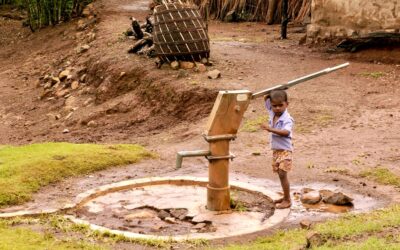
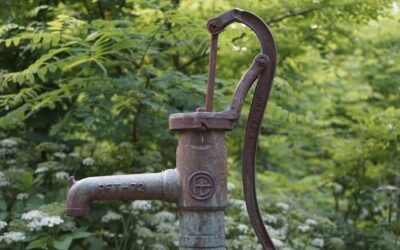
For homes without power or as an emergency backup, a shallow well hand pump is another option on wells within suction range. It needs no electricity, though flow is limited.
Cost Ranges
Shallow water pump units typically cost from a couple hundred dollars for small 1/2 hp models to several hundred for 1 hp and convertible units. A matching pressure tank, switch, gauge and fittings add a few hundred more. Professional installation usually brings the total into the mid hundreds to low thousands depending on access, pipe runs and electrical work.
When to Call a Licensed Professional
Priming and basic inspection are reasonable homeowner tasks with the power confirmed off. Installing a new pump, running a new circuit, changing wiring or replacing a pressure switch should go to a licensed well contractor and licensed electrician. Many areas require permits for well and electrical work, and local health departments may set rules for private well systems.
Call a pro if the pump will not hold prime after you have checked the suction line, if the well cannot keep up with demand, or if you suspect the water table has dropped. When you are ready to replace a worn unit, a quality shallow well jet pump sized to your lift and household demand will give you steady pressure for years.
Frequently Asked Questions
How deep can a shallow well pump draw water?
About 25 feet in typical conditions, and less at higher elevations. For deeper water, use a convertible jet pump with a down-well ejector or a submersible pump.
What size jet pump do I need for my house?
Many homes with one to two bathrooms do well with a 3/4 hp pump. Larger households or homes with irrigation may need 1 hp, provided the well can supply the flow.
Why does my jet pump keep losing prime?
The usual causes are a leaking foot valve or check valve and small air leaks in the suction line. Seal joints and replace a worn foot valve.
Do I need a pressure tank with a shallow well pump?
Yes. A pressure tank prevents short cycling, protects the motor and keeps household pressure steady between pump cycles.
How do I keep a well pump from freezing?
Keep it in a heated or insulated space, insulate exposed suction lines and drain the system fully if the building will be unheated in winter.