A carpet that looks plush and inviting in the showroom can flatten, shed, and mat within a year, and by then the installer is long gone and the receipt is buried in a drawer. Learning the signs of cheap carpet before you sign the order is the single best way to avoid paying twice for the same floor. Price alone does not tell the story; a $2-per-square-foot carpet can outlast a $4 one if the specs are right. What separates a bargain from a lemon comes down to face weight, fiber quality, twist, backing, and the fine print in the warranty. Here is exactly what to inspect.
Low Face Weight and Density
Face weight measures how many ounces of fiber sit in a square yard of carpet, and it is one of the clearest signs of cheap carpet when it runs low. Budget carpet often lands at 20 to 30 ounces, which feels thin and crushes fast. A durable residential carpet sits at 40 ounces or more, and high-traffic areas do best above 50.
Density matters even more than weight. Fold a sample backing-to-backing and look at the base. If you can easily see the backing grinning through the fibers, the tufts are spaced too far apart and the carpet will mat quickly. Dense carpet resists footprints and springs back. A cheap, low-density carpet shows every path across the room within months.
Poor Fiber Quality
Fiber type drives both feel and lifespan. Not all fibers are equal, and the cheapest options wear out first.
- Bargain polyester (PET): Soft and stain-resistant, but low-grade versions crush and mat under traffic. Fine for a guest bedroom, risky for a living room.
- Olefin (polypropylene): The cheapest common fiber. It resists moisture and fading but flattens badly and attracts oily soil. A clear sign you are in budget territory.
- Nylon: The most resilient fiber, more expensive, and a good sign of quality. It bounces back from crushing and lasts years longer.
Ask what the fiber is. If the salesperson dodges the question or only pushes olefin, treat it as a red flag. Solution-dyed fiber, where color runs all the way through, resists bleaching and fading far better than a cheaply piece-dyed carpet.
Loose or Low Twist
Twist level, sometimes printed as the TAC or turns per inch, tells you how tightly each yarn is wound. Tightly twisted fibers hold their shape; loosely twisted ones untwist under foot traffic, blooming into a fuzzy, matted mess. Good carpet has a twist number around 5 or higher.
You can test this by hand. Run your fingers against the pile and watch the tips. On quality carpet, the yarn ends stay neat and defined. On cheap carpet, the tips splay open and the yarn feels like it is coming unraveled. That splaying is what turns traffic lanes into visibly worn tracks within a year.
Thin or Weak Backing
The backing is the layer you never see but always feel the consequences of. Flip a sample over. Quality carpet has a substantial primary and secondary backing with a firm, even latex coat holding the tufts in place. Cheap carpet has a thin, papery backing that flexes too easily and lets tufts pull loose.
Do a tug test. Grab a few fibers and pull. If they come out with little resistance, the carpet will shed heavily and can develop bald spots. A flimsy backing also tears during installation and fails to hold seams, which is why bargain carpet often shows visible seam lines and rippling within a couple of years.
Excessive Shedding and Off-Gassing
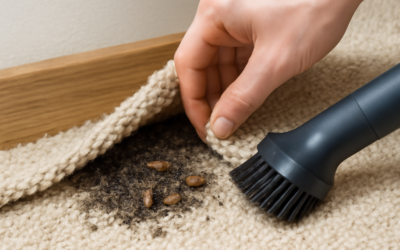
Some shedding is normal for new cut-pile carpet, but heavy, ongoing fuzz in your vacuum canister after a month points to poorly anchored, short-staple fibers, a hallmark of cheap goods. Run your hand across a sample and see how much lint comes off. A little is fine; a handful is a warning.
Smell matters too. A strong, lingering chemical odor that does not fade after a week suggests high VOC content in the backing and adhesives. Look for carpet with a Green Label Plus certification, which caps emissions. A no-name carpet with no certification and a harsh smell is often cutting corners on materials.
Short Warranties and Vague Specs
Manufacturers back their good products and quietly abandon their weak ones. A quality carpet carries a 10-to-25-year wear warranty plus separate texture-retention and stain warranties. When you see a 5-year warranty or no written warranty at all, that is the manufacturer telling you how long they expect it to last.
Read the exclusions, too. Cheap carpet warranties are riddled with loopholes that void coverage if you did not use the exact recommended pad, professional cleaning on a set schedule, or specific installation methods. If the spec sheet is missing face weight, fiber type, and twist numbers entirely, the seller is hiding something. Reputable carpet comes with those numbers printed clearly.
Thin Padding and Rushed Installation
The carpet is only half the floor; what lies beneath matters just as much. A thin, low-density pad is a hidden sign of a cheap overall job, even when the carpet itself is decent. Builders and bargain installers often pair a mid-grade carpet with a flimsy 1/4-inch, 4-pound pad to shave costs, and that undersized cushion lets the carpet flex and wear from below. Look for at least a 7/16-inch, 6-to-8-pound rebond pad in living areas. Press on the pad sample; if it compresses to almost nothing under your thumb, it will not protect your carpet.
Installation quality shows up fast, too. Cheap installs skip proper seaming tape, fail to power-stretch the carpet, and leave visible seams, ripples, and loose edges. Within a year, an unstretched carpet buckles into waves you can trip over. Ask whether the installer uses a power stretcher, not just a knee kicker, and whether seams will be heat-sealed. A quote that seems too good to be true often cuts these corners, and the savings evaporate when you pay to re-stretch or re-seam a failing floor.
Poor Color Consistency and Pattern Flaws
Run your eye across a large sample or, better, a full roll before installation. Cheap carpet frequently shows dye-lot inconsistencies, where color shifts subtly from one section to another, and these mismatches become glaring once the carpet covers a whole room. Piece-dyed budget carpet is especially prone to streaking and uneven coverage compared with solution-dyed fiber.
Patterned and textured carpets reveal manufacturing shortcuts, too. Look for crooked rows, uneven tuft height, and pattern lines that drift or fail to match at the edges. On a loop pile, snags and pulled loops in a fresh sample signal weak construction that will worsen with a single pet claw or vacuum pass. Hold the sample up to the light: consistent, uniform pile and dye are marks of a quality mill, while blotchy color and wandering rows are quiet signs of a cheap product that slipped through loose quality control.
How to Shop Smart and Avoid the Signs of Cheap Carpet
Bring the checklist with you. Ask for the face weight, density, fiber type, and twist on every sample, and compare them side by side rather than trusting how soft the top feels. Do not skimp on the pad; a good 8-pound, 7/16-inch pad can add years to even a mid-grade carpet, while a cheap thin pad drags a decent carpet down. Buy the best fiber your budget allows, prioritizing nylon in busy rooms.
Recognizing the signs of cheap carpet, low face weight, thin backing, loose twist, weak fiber, heavy shedding, and stingy warranties, lets you spend your money once and enjoy a floor that still looks good in ten years. A little inspection at the store saves you the far greater cost of ripping out a failed carpet and starting over.