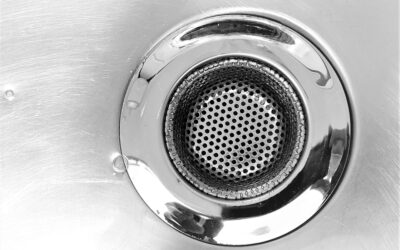
Most kitchen clogs start the same way: rice, coffee grounds, pasta bits and onion skins slip past the drain one rinse at a time until they mat together with grease inside the trap. A simple sink drain strainer that sits in the drain opening catches that debris before it ever reaches the pipe. It costs a few dollars, takes no tools to install, and can save you a plumber visit or a bottle of harsh drain cleaner.
Not every catcher works equally well, though. A fine stainless mesh stops coffee grounds but drains slowly when full. A silicone cup is easy to clean but lets small particles through. A perforated stainless basket lasts for years but may not catch fine debris at all. The right choice depends on what you wash, how you cook, and the size of your sink opening.
- What a Sink Drain Strainer Does
- Mesh vs Silicone vs Perforated Stainless
- Fine vs Coarse Holes: Which Do You Need?
- Getting the Right Size
- How to Install and Use a Drain Catcher
- Cleaning and Odor Control
- Troubleshooting Common Problems
- Cost of Sink Strainers
- When to Call a Plumber
- Frequently Asked Questions
Here is how each type compares, which hole size suits which sink, and how to keep a drain catcher from turning into a smelly mess.
What a Sink Drain Strainer Does
A drop-in strainer is a removable screen or cup that rests in the drain opening, either on top of or inside the existing basket. It differs from the permanent strainer basket assembly that is clamped under the sink and sealed with plumber’s putty. That fixed basket body stays in place; the catcher sits in or over it and lifts out for emptying.
People call these by many names: a sink food catcher, a sink drain screen, a kitchen sink screen, or a sink drain filter. They all do the same job, trapping solids while letting water pass. Some double as a stopper when twisted or pressed down, which helps when you want to fill the sink for soaking.
Mesh vs Silicone vs Perforated Stainless
Stainless Mesh Strainers
A kitchen sink mesh strainer uses a fine woven wire screen formed into a shallow bowl with a flat rim. The tight weave catches coffee grounds, tea leaves, rice and small vegetable scraps. It is the most effective catcher for fine debris and the one most kitchens benefit from. A stainless steel sink strainer with a mesh bowl resists rust and survives the dishwasher. The tradeoff: fine mesh fills quickly and slows drainage if you do not empty it after each big cleanup.
Silicone Strainers
A silicone sink strainer is a soft, flexible cup or disc with slots or small holes. Many fold or flatten for storage, and some are designed as a clip on silicone strainer that grips the rim of the drain. Silicone is easy to flip inside out and rinse, it does not scratch the sink finish, and it comes in bright colors that are easy to spot. Holes are usually larger than mesh, so fine grounds can get through. Silicone can also hold onto grease and odors over time if not washed regularly.
Perforated Stainless Baskets
Perforated catchers are solid stainless cups with punched round holes. They are durable, dishwasher safe and drain fast, but the holes are typically large enough to let rice and grounds pass. They work well as a coarse first line of defense and in sinks where most debris is chunky.
Plastic Strainers
A plastic sink strainer is the cheapest option and works fine for light duty. Plastic can crack, warp in very hot water, and stain from tomato sauce or coffee. It is a reasonable short-term choice or a spare for a guest bath.
Fine vs Coarse Holes: Which Do You Need?
Hole size matters more than material. Use this quick decision guide:
- You brew coffee or tea and rinse grounds: choose fine mesh.
- You cook a lot of rice, grains or pasta: fine mesh or a silicone catcher with small holes.
- Your sink mostly handles dishes with a few scraps: perforated stainless or silicone is plenty.
- Drainage speed is a priority: coarser holes, or a mesh strainer with a deep bowl that holds more debris before slowing down.
- You have a garbage disposal: a stopper-style catcher keeps utensils out of the disposal when it is off; remove it before running the unit.
Some households use two: a fine mesh drain strainer for the main sink and a coarse catcher for a prep sink. For most kitchens, a stainless mesh sink strainer is the best all-around pick because it combines fine filtering with long life.
Getting the Right Size
Most standard kitchen sinks in the US have a drain opening of about 3.5 inches across, sized for a common basket body. A strainer with a rim of roughly 4 to 4.5 inches rests on the flange without falling through. Measure the opening at the top of the flange before you buy.
- Kitchen sinks: about 3.5 inch opening; look for a kitchen drain strainer with a 4 to 4.5 inch rim.
- Bar and prep sinks: often a smaller 2 inch opening, so you need a small sink strainer sized for it.
- Bathroom sinks: usually around 1.25 to 1.5 inches; a tiny mesh disc or hair catcher fits here.
- Utility and laundry sinks: a utility sink strainer with a deeper basket catches lint, paint chips and grit. Laundry tubs that take washer discharge benefit from a mesh screen to trap lint.
A strainer that is too small sinks into the drain and lets debris slip around it. One that is too large rocks on the flange and lets water bypass the screen.
How to Install and Use a Drain Catcher
- Clean the existing drain. Remove the old basket or stopper and wipe away buildup around the flange.
- Check the fit. Set the new catcher in place and confirm it sits level with no gap around the edge.
- Scrape plates first. Put most food waste in the trash or compost. The strainer is a backup, not a disposal.
- Empty it often. Tap the debris into the trash after every major dishwashing session.
- Keep grease out. Wipe greasy pans with a paper towel before washing. Grease passes through any strainer and hardens in the trap.
Cleaning and Odor Control
A neglected catcher can smell worse than the drain itself. A few habits keep it fresh:
- Rinse the strainer under hot water and give it a quick scrub with a dish brush daily.
- Run stainless and most silicone catchers through the dishwasher once or twice a week.
- For mesh, use an old toothbrush from the underside to push out trapped grounds.
- Soak stained or smelly strainers in warm water with baking soda, or in a mild vinegar solution, for 15 to 30 minutes.
- Do not mix cleaning products. Using bleach and vinegar or bleach and ammonia together produces dangerous fumes.
- Pour a kettle of hot (not boiling, if you have PVC drain pipes) water down the drain weekly to rinse away soap film.
- Replace plastic or worn silicone strainers when they crack or hold odors even after cleaning.
Troubleshooting Common Problems
- Water drains slowly: the mesh is full or coated with grease. Empty and scrub it. If it still drains slowly without the strainer, the clog is further down.
- Debris gets past the catcher: the holes are too large or the rim does not seat fully. Switch to finer mesh or a better-fitting size.
- Strainer slides into the drain: the rim is too small for the opening.
- Rust spots: cheaper plated metal is corroding. Upgrade to solid stainless steel.
- Persistent odor with a clean strainer: the smell is likely from the trap or disposal. Clean the disposal and flush the trap with hot water.
- Leak around the drain flange: the problem is the fixed basket assembly underneath, not the catcher. Its putty seal or gasket may need replacement.
Cost of Sink Strainers
Drop-in catchers are inexpensive. Plastic and basic silicone models usually cost a few dollars each, often sold in multipacks. Stainless mesh strainers generally run from a few dollars up to around $15 to $20 for heavier-gauge versions with a handle or stopper function. Replacing a complete basket strainer assembly is a bigger job: the part typically costs $15 to $60, and a plumber may charge $100 to $250 to install it.
When to Call a Plumber
A sink drain strainer prevents clogs; it does not clear existing ones. If water backs up even with the catcher removed, if more than one fixture drains slowly at the same time, or if you see water leaking under the sink around the basket assembly, call a plumber. Repeated clogs can point to a sagging trap, a venting problem or buildup further down the line. If you remove the trap yourself, set a bucket underneath, wear gloves and eye protection, and avoid doing so right after pouring chemical drain cleaner into the sink.
Frequently Asked Questions
What is the best type of sink drain strainer for coffee grounds?
A fine stainless mesh strainer is the best choice for coffee grounds and tea leaves. Silicone and perforated catchers usually have holes large enough for grounds to slip through.
What size strainer fits a standard kitchen sink?
Most US kitchen sinks have a drain opening of about 3.5 inches, so a strainer with a rim around 4 to 4.5 inches sits securely on the flange. Measure your opening to be sure.
Are silicone sink strainers better than metal ones?
Silicone is gentle on sink finishes and easy to clean, but it usually catches less fine debris. Stainless mesh filters better and lasts longer.
How often should I clean a sink food catcher?
Empty it after each big cleanup and rinse it daily. Wash it in the dishwasher or soak it in baking soda water once or twice a week to control odor.
Can I use a drain strainer with a garbage disposal?
Yes. A stopper-style catcher keeps utensils and debris out while the disposal is off. Remove it before you turn the disposal on.