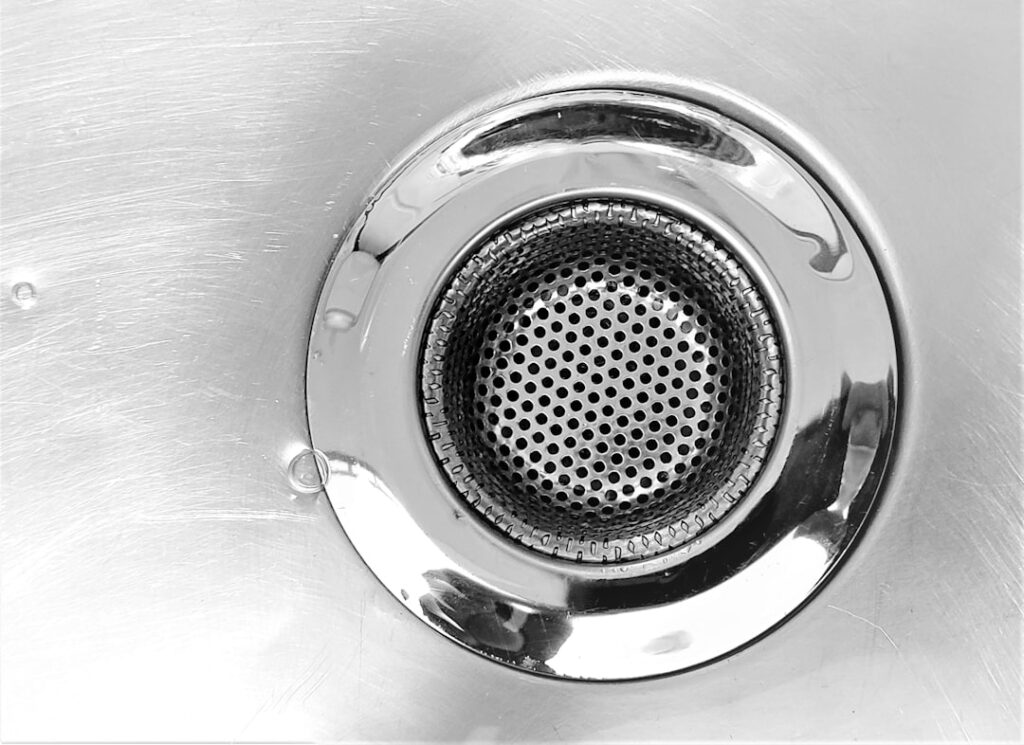
A floor drain strainer is the small but hardworking cover that sits over the opening of a floor drain, catching hair, lint, food scraps, and other debris before they slip into your plumbing. Whether you have a drain in your basement, garage, laundry room, or utility area, the right floor drain strainer protects your pipes from clogs, keeps pests from crawling up, and helps manage the odors that drains are notorious for. It is one of the cheapest pieces of plumbing hardware you own, yet skipping it can lead to backups that cost hundreds of dollars to clear.
This guide walks you through the types of strainers available, how to choose the correct size and material, how to install one, and how to keep it working for years. You will also learn why the trap underneath your drain matters and how a strainer fits into a code-compliant system.
What a Floor Drain Strainer Actually Does
At its core, a strainer is a filter. Water and waste pass through the openings while solid material is held back at the surface where you can see it and remove it. This simple function prevents the slow buildup that eventually narrows a pipe and triggers a clog deep in the line, where it is far harder to reach.
A strainer also serves as a physical barrier. Open floor drains are an invitation for insects, rodents, and even small debris kicked across the floor. A snug cover keeps that traffic out. Many homeowners discover the value of a strainer only after a sewer roach finds its way up an unprotected drain.
It is worth understanding what a strainer does not do. It does not seal odors on its own. Sewer-gas control comes from the P-trap below the drain, which holds a small pool of water that blocks gas from rising into the room. A strainer works alongside that trap, not in place of it.
Common Types of Strainers
Strainers come in several styles, each suited to a different situation. Knowing the differences helps you avoid buying the wrong one twice.
- Flat grate strainers: The classic round or square metal cover with slots or holes. These sit flush with the floor and handle general-purpose duty in basements and utility rooms.
- Dome or beehive strainers: A raised, perforated dome that offers more surface area, so it keeps draining even when leaves or debris pile up on one side. Common around exterior and garage drains.
- Hair-catch strainers: Fine-mesh inserts designed for showers, laundry, and laundry-room floor drains where lint and hair are the main offenders.
- Backflow or trap-seal strainers: These combine a strainer with a one-way valve or flexible seal that helps block sewer gas and backflow, useful for drains that are rarely used and prone to a dried-out trap.
For a typical interior floor drain, a flat grate or a hair-catch insert covers most needs. Choose the dome style when debris load is heavy.
Choosing the Right Material
Strainers are most often made from stainless steel, brass, cast iron, or plastic, and each has trade-offs.
- Stainless steel: Corrosion-resistant, strong, and good-looking. A reliable all-around choice for indoor and damp environments.
- Brass: Durable and attractive, with natural resistance to corrosion. Often used where appearance matters or where chrome plating is desired.
- Cast iron: Extremely tough and able to take vehicle or foot traffic in garages and commercial spaces, though it can rust over time if the coating wears.
- Plastic (ABS or PVC): Inexpensive and rustproof, suitable for low-traffic indoor drains, but it can crack under heavy loads.
If your drain sees foot or wheel traffic, prioritize metal. For a quiet laundry-room drain, plastic is usually fine and saves money.
Sizing and Fit
Getting the size right is the single most important part of buying a strainer. Measure the diameter of the drain opening, not the visible rim, and note whether the existing cover drops in, screws in, or snaps over the lip. Common residential floor drains run roughly 2 to 4 inches across, but yours could differ.
A loose strainer rattles, shifts, and lets debris slip around the edges. One that is too large will not seat at all. If you cannot find an exact match, look for a universal adjustable strainer with an expanding ring or a snap-in insert that grips the inside of the pipe. When in doubt, take the old cover to the hardware store and compare it directly.
How to Install a Floor Drain Strainer
Most replacements are straightforward and take only a few minutes with basic tools. Always work gently to avoid cracking older cast-iron or tile surrounds.
- Remove the old cover. Lift it out, or unscrew the center screw if it is the secured type. Penetrating oil helps free a rusted screw.
- Clean the drain throat. Scrape away debris, sludge, and old sealant from the lip so the new strainer seats evenly.
- Test the fit. Set the new strainer in place dry and confirm it sits flush and stable before securing anything.
- Secure it. Tighten the center screw, expand the locking ring, or press the snap-in insert firmly until it holds.
- Run water. Pour a bucket of water through to confirm it drains freely and the trap below refills with a water seal.
If the drain itself is damaged, the surrounding tile is broken, or you suspect the trap or line is compromised, bring in a licensed plumber rather than forcing a fix.
Cleaning and Maintenance
A strainer only works if you keep it clear. Lift it out and remove trapped hair and debris on a regular schedule, weekly for busy laundry and shower drains, monthly for quiet utility drains. A quick rinse and a stiff brush handle most buildup.
For deeper cleaning, soak metal strainers in warm soapy water or a vinegar solution to dissolve mineral scale and soap film. Avoid harsh drain chemicals on the strainer itself, since they can pit certain metals over time. Pour a gallon of water down rarely used drains every few weeks so the trap does not dry out and let sewer gas escape.
Code, Traps, and Sewer-Gas Safety
Floor drains are part of your home’s drain-waste-vent system and are subject to plumbing code. Every floor drain should connect to a properly vented P-trap, which holds the water seal that blocks sewer gas. A strainer that fully seals the opening should never replace the trap, and you should not plug a drain to stop odors, because that can mask a real venting or trap problem.
If you smell a persistent sewer odor even with a clean strainer, the trap may have evaporated, lost its seal, or the line may have an issue. Refill the trap first. If the smell returns, consult a licensed plumber familiar with local code, since improper drain modifications can create health and backflow hazards. Keeping the drain code-compliant protects both your plumbing and your indoor air.
Final Thoughts
For just a few dollars, the right strainer spares you the mess and expense of a clogged line while keeping pests and odors at bay. Match the size and material to your drain, install it snugly, and clean it on a schedule. Treat the strainer as a partner to the trap below, not a substitute, and your floor drain will quietly do its job for years.
Prefer to explore on your own?
See how new flooring looks in your actual room in seconds — free, no signup.
Try the free Floor Studio →