If your kitchen water has gone from a smooth, soft stream to an angry, sputtering spray, the culprit is almost always a clogged faucet strainer. This small mesh-and-housing assembly screws onto the tip of nearly every modern faucet, and it does two jobs at once: it traps grit and sediment, and it mixes air into the water so the flow stays gentle and splash-free. It is one of the cheapest parts in your home, yet it has an outsized effect on water pressure, taste, and noise.
What a Faucet Strainer Actually Does
The term covers two overlapping components. On a kitchen or bathroom faucet, the strainer is usually built into the aerator that threads onto the spout. Inside that small chamber sits a fine metal or plastic screen that catches mineral flakes, rust, and pipe debris before they reach your glass. At the same time, a perforated disc draws in air, breaking the water into thousands of tiny streams.
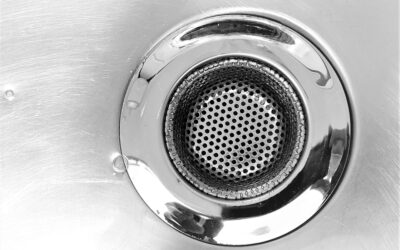
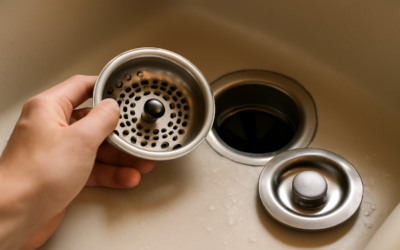
On a kitchen sink itself, a strainer can also refer to the basket assembly seated in the drain opening. That basket stops food scraps and silverware from disappearing down the pipe. Both versions share the same purpose: keeping unwanted solids out of places they do not belong.
Common Types You’ll Encounter
Spout aerators come in three thread styles, and choosing the right one matters. Male-threaded aerators have visible threads on the outside, female-threaded models hide their threads inside the housing, and dual-thread units accept either. Standard sizes are 15/16 inch for male and 55/64 inch for female kitchen faucets, while bathroom faucets often use a smaller 13/16 inch or 15/16 inch junior size.
- Aerated strainer: mixes air for a soft, non-splashing stream, the most common type
- Laminar strainer: produces a clear, solid stream with no air, favored in healthcare for hygiene
- Spray or needle strainer: spreads water into a wide rinse pattern, handy for prep sinks
- Drain basket strainer: the basket-and-stopper unit that sits in the sink drain
Signs Your Strainer Needs Attention
Hard-water homes feel the effects fastest. When calcium and magnesium build up, the screen clogs and pressure drops, sometimes by half, within a few months. Watch for water that sprays sideways, a flow that has slowed to a trickle, or visible white crust around the spout tip. A faucet that suddenly hisses or rattles is also signaling a partially blocked screen.
Brand-new plumbing throws its own debris. After any pipe repair or water-heater swap, sediment loosened during the work often lodges in the nearest strainer. If pressure tanks right after a plumbing job, the strainer is the first thing to check.
How to Clean a Faucet Strainer
Most strainers come clean in under fifteen minutes with no special tools. Here is the routine I use on service calls:
- Lay a towel in the sink to catch dropped parts and close the drain stopper.
- Unscrew the aerator by hand, turning counterclockwise. If it is stuck, wrap the housing in a cloth and use slip-joint pliers gently.
- Note the order of the parts as you remove them. A typical stack is housing, washer, screen, and aerator disc.
- Rinse each piece under running water and pick debris from the mesh with a toothbrush.
- For heavy mineral scale, soak the parts in a bowl of white vinegar for 30 to 60 minutes, then scrub again.
- Reassemble in the same order, hand-tighten, and run the water to check the stream.
If you cannot remember the part order, lay them out left to right on the towel as you disassemble. Reverse the line to rebuild.
When to Replace Instead of Clean
A cleaning buys you time, but a corroded or cracked strainer is a replacement, not a repair. If the mesh is torn, the threads are stripped, or the housing leaks even after a fresh washer, it is time for a new one. Replacement aerators cost just $3 to $12 at any hardware store, and a multi-pack with several thread sizes runs about $10. Bring the old unit to match the thread.
Drain basket strainers are a bigger job but still DIY-friendly. A stainless basket strainer kit runs $12 to $35, and swapping one out involves loosening the locknut underneath the sink, cleaning the opening, and bedding the new flange in plumber’s putty or a silicone gasket.
Choosing the Right Flow Rate
Strainers and aerators are also where you control how much water your faucet uses, which most people never realize. The flow rate is stamped on the side in gallons per minute (GPM). Older units flow 2.2 GPM, the federal maximum, while water-saving aerators restrict flow to 1.5, 1.0, or even 0.5 GPM for bathroom lavatories.
Swapping a 2.2 GPM kitchen aerator for a 1.5 GPM model can trim water use noticeably without a flow you would call weak, because the aeration keeps the stream feeling full. For a bathroom sink where you only rinse hands and a toothbrush, a 1.0 GPM aerator saves water with zero downside. Match the GPM to the task: keep the kitchen reasonably strong for filling pots, but tighten down the bathroom and powder-room faucets.
Maintenance Tips to Extend Its Life
In hard-water regions, a quarterly vinegar soak keeps scale from cementing the screen shut. Homeowners on well water should check the strainer monthly during the first season after a new pump or filter, since sand and iron move through the system constantly. Installing a whole-house sediment filter, which runs $40 to $120, dramatically reduces how often any strainer in the house clogs.
One more pro tip: keep a spare aerator in the same size as your kitchen faucet in a drawer. When the old one finally strips out during a holiday dinner, a two-minute swap beats a midnight hardware run. A working faucet strainer is the kind of small part you never think about until it fails, and a little upkeep keeps it invisible.