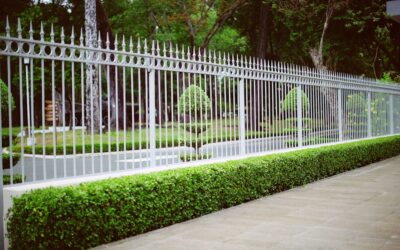
If you have ever fought to screw fence panels level onto plain posts, the slotted design will feel like a revelation. A slotted fence post has vertical grooves machined into its sides so panels, gravel boards, and infill slide straight down into place, no brackets, no rails, and far fewer screws. The result is a faster build, a cleaner look, and panels that stay perfectly aligned across the whole run.
Part of our Decks & Outdoor guide — explore the full guide →
How Slotted Posts Work
The concept is simple and clever. Each post carries a routed channel, typically on two or three sides, sized to accept the edge of a fence panel or a stack of horizontal boards. You drop the panel down from the top, and gravity plus the snug slot hold it captive.
Because the panel is trapped in the groove rather than fastened to the face, there is nothing for wind to pry loose and no visible hardware. Replacing a damaged panel later is just as easy: lift it out and slide a new one in.
Post Positions and Types
Slotted posts come configured for their spot in the run, so you order by position.
- End post: A single slot on one face, for where the fence terminates against a wall or gate.
- Line (intermediate) post: Slots on two opposing faces to carry panels on both sides.
- Corner post: Slots on two adjacent faces meeting at 90 degrees.
- Three-way post: Slots on three faces for T-junctions.
Materials range from pressure-treated timber and slotted concrete to powder-coated aluminum and composite, each pairing with matching panel systems.
Concrete vs. Timber vs. Composite
The post material sets the tone for durability and looks. Slotted concrete posts are the workhorse of long-lasting fences; they never rot, shrug off ground moisture, and easily outlive the wooden panels they hold. The tradeoff is weight, they are heavy to maneuver, and a utilitarian appearance.
Timber slotted posts look warmer and cost less, but they need pressure treatment and eventually succumb to ground contact. Aluminum and composite slotted systems cost the most upfront yet deliver a crisp, modern profile with essentially zero maintenance, which is why they dominate contemporary horizontal-slat fences.
Spacing and Panel Fit
Accurate spacing is everything with a slotted system, because there is no wiggle room once the concrete sets. Standard panels are 6 feet wide, so posts are set on centers that account for the panel width plus the slot depth.
Measure from the center of one slot to the center of the next, and dry-fit a panel before you commit any post to concrete. Even a half-inch error compounds down a long run and can leave the final panel too tight or too loose to seat. Use a spacer jig cut to the exact panel-plus-slot dimension to keep every bay identical.
Installing Slotted Posts
The sequence rewards patience. Dig post holes roughly one-third of the post height deep, so about 24 inches for a 6-foot fence, and add 6 inches of gravel at the bottom for drainage.
Set the first post plumb in fast-setting concrete, let it firm up, then work down the line dropping each panel into the previous post’s slot before positioning and concreting the next post. This “panel-then-post” rhythm guarantees a perfect fit because the panel itself sets the spacing. Brace each post and check plumb in both directions before the concrete cures.
Cost and Value
Slotted systems cost a bit more than plain posts and brackets, but the labor savings and clean result often justify it. A slotted concrete post runs roughly $25 to $45 each, timber $15 to $30, and aluminum or composite $60 to $120. Panels are priced separately.
For a typical 100-foot fence, the material premium over a nailed-panel approach might be a few hundred dollars, offset by cutting installation time significantly and eliminating the rails and brackets a conventional fence requires.
Is It Right for Your Yard?
Slotted posts shine when you want speed, a hardware-free appearance, and easy panel swaps down the road. They are ideal for straight boundary runs on relatively level ground, where the precise spacing is easy to maintain.
On steeply sloped lots you may need stepped or raked panels, which some slotted systems accommodate and others do not, so confirm compatibility first. For most flat suburban yards, though, a slotted fence post system is one of the simplest ways to get a clean, durable, professional-looking fence with far less effort.
Handling Sloped Ground
Grade is the biggest challenge a slotted fence faces, so plan for it early. On a gentle slope, you can step the fence, keeping each panel level and dropping the height at each post to create a staircase effect along the run. This looks tidy but leaves triangular gaps under the panels that you may fill with gravel boards.
For steeper terrain, a raked or racked panel that follows the slope diagonally gives a continuous top line, but not every slotted system allows the angled fit. Concrete slotted posts can also be set taller and the panel dropped lower into the slot to accommodate a dip. Walk the line and mark grade changes before ordering, since the post positions and panel heights depend on it.
Maintenance and Longevity
Upkeep depends mostly on your material. Concrete and aluminum posts are effectively maintenance-free, needing only an occasional rinse. Timber posts benefit from a fresh coat of preservative every few years and a check of the ground line, where rot starts first.
Because slotted systems make panels removable, replacing a storm-damaged panel is a five-minute lift-and-drop job rather than a demolition project. Inspect the concrete footings after hard freezes for any heaving, and keep the slot channels clear of packed dirt and leaves so panels seat fully. Well-installed slotted posts routinely outlast several generations of the panels they hold.