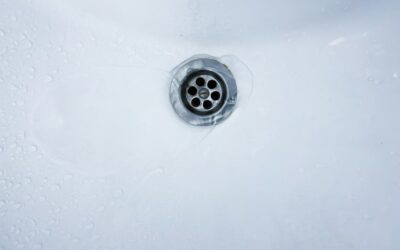
Standing ankle-deep in dirty shower water by the time you finish rinsing — that is the usual first sign something needs attention. A slow bathtub drain almost always traces back to one of three culprits: hair tangled around the stopper mechanism, soap scum coating the inside of the drain pipe, or a partial blockage further down the trap. The good news is that 90% of these are 20-minute fixes with tools already in the garage.
Part of our Bathroom Remodeling & Flooring guide — explore the full guide →
Why Tubs Slow Down First
Tub drains have the smallest pipe size of any fixture in the house — typically 1.5 inches versus 2 inches for showers and 3 to 4 inches for toilets. That tighter diameter clogs faster from the same volume of debris. Add long hair and a daily film of body soap, and you get a stalactite of gunk inside the trap that builds steadily over months.
Most tubs also have a trip-lever or pop-up stopper assembly that spans the entire drain opening. Hair wraps around that mechanism long before reaching the trap, creating a slowdown that has nothing to do with the pipe at all.


Step One — Check the Stopper
Before reaching for chemicals or tools, pull the stopper. Most modern tubs use one of three styles:
- Lift-and-turn: rotate counterclockwise and pull straight up.
- Push-pull (toe-touch): unscrew the cap by hand or with channel-lock pliers wrapped in a rag.
- Trip-lever: remove the overflow plate (two screws) and pull the linkage out from above.
Wear a glove. The clump of soap-coated hair you find is unpleasant but it is the entire problem in roughly half of slow-drain calls. Toss it, scrub the stopper with hot water and an old toothbrush, reinstall, test.
Step Two — Hand-Snake the Trap
If clearing the stopper does not solve it, the next obstruction sits in the P-trap or just past it. A flat plastic drain stick (Zip-It is the common brand, $4 at any hardware store) reaches 18 to 24 inches and pulls out everything the stopper missed.
Feed the stick straight down with the barbs facing up, push gently until it bottoms out, then pull steadily. Do not yank — the barbs are flexible plastic and snapping one inside the pipe creates a worse problem. Repeat 3 to 4 times until it comes back clean.
For deeper obstructions, a $25 hand-crank drum auger with 25 feet of cable reaches well past the trap. Feed cable into the drain, crank clockwise to extend, pull back when you feel it grab.
Step Three — Treat the Soap Scum
After hair is gone, soap scum still coats the pipe walls and slows flow. The right way to dissolve it is enzymatic, not caustic.
- Pour 1 cup baking soda into the dry drain.
- Follow with 1 cup of white vinegar.
- Cover the drain to keep the reaction inside the pipe.
- Wait 30 minutes.
- Flush with 2 gallons of hot tap water (not boiling).
This combination breaks down soap film and biofilm without harming pipes or seals. Repeat monthly as maintenance and most slow-drain issues never come back.
Why to Skip Liquid Drain Cleaners
The bottle of bright blue gel under most kitchen sinks is the worst thing you can use on a tub. The lye and bleach combination eats the rubber gaskets in the trap, corrodes older brass fittings, and the hot caustic reaction warps PVC pipe walls if it sits too long. Even the “safer” enzyme cleaners are mostly too dilute to handle a real clog.
Worse — if the chemical does not clear the clog, the next step is a plumber dealing with a pipe full of caustic liquid. Many will refuse the job until the pipe is flushed clear, adding both cost and delay.
When the Slowdown Is Bigger Than the Tub
Watch what happens when the tub drains. If the toilet bubbles, the sink gurgles, or water comes up through the basement floor drain, the issue is in the main stack or sewer line — not the tub. Common causes are tree-root intrusion, a collapsed clay pipe section, or grease accumulation in the main horizontal run.
For those problems, a camera inspection ($150 to $250) identifies the cause before any work happens. Hydro-jetting clears most root and grease blockages for $400 to $700. Pipe repair runs from $1,500 to $4,000 depending on access. None of those are DIY territory.
Prevention That Actually Works
Three habits keep tub drains clear long-term:
- Drain hair catcher. A silicone TubShroom ($14) or stainless mesh insert sits over the drain and traps hair before it reaches the stopper. Empty it weekly.
- Monthly baking soda flush. The same vinegar-and-baking-soda routine described above, done as routine maintenance, prevents scum buildup.
- Annual deep clean. Once a year, pull the stopper completely, snake the trap with a Zip-It, and inspect the overflow linkage if your tub has one.
That maintenance schedule takes 15 minutes a year combined and prevents nearly every drain issue except mainline events. Tubs are simple — keep hair and soap scum out, and they last decades without complaint.
When Replacement Beats Repair
Cast-iron tub drains in homes built before 1965 corrode from the inside. If yours has been snaked clear repeatedly and slows again within weeks, the pipe interior is rusted into a rough surface that catches every passing strand. Replacement of the drain assembly runs $200 to $500 with a plumber, and lasts another 50 years. At that point, repair is throwing money at a corroded pipe and replacement is the right call. A clear-flowing tub drain stays that way for decades — diagnose the actual cause, fix it once, and forget about it.