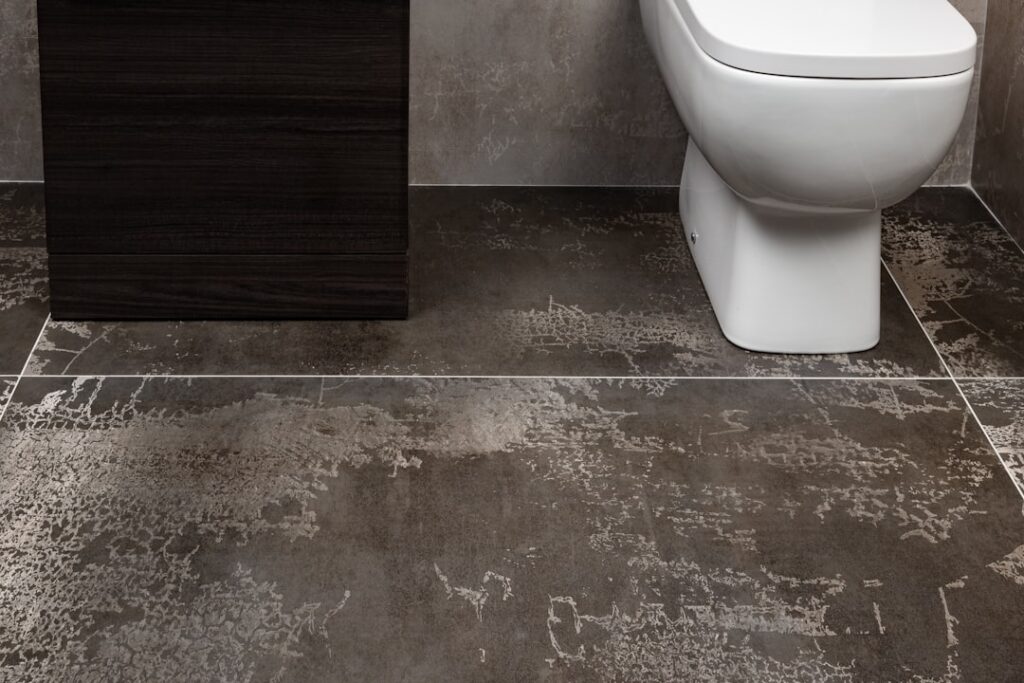
The smallest room in the house is often the trickiest to renovate, because every inch and every dollar has to work harder. A thoughtful small bathroom redo can turn a cramped, dated space into one that feels twice its size, usually for $3,000 to $12,000 depending on how much you DIY. The secret is not cramming in more; it is choosing the right fixtures, finishes, and visual tricks that make a tight footprint feel open and intentional.
- Setting a Budget
- Smart Layout and Space-Saving Fixtures
- Flooring That Works in Tight Spaces
- Tile and Wall Strategy
- Color and Light to Open It Up
- Storage Without the Clutter
- What You Can DIY and What You Cannot
- Sequencing the Project
- Ventilation and Moisture Control
- Budget-Stretching Tricks
- Bringing It Together
Setting a Budget
Small bathrooms cost less than big ones in raw materials but more per square foot in labor, since the work is fiddly. A cosmetic refresh, paint, fixtures, mirror, and accessories, can come in under $1,500.
A mid-range redo with new flooring, a vanity, a toilet, and a tiled tub surround typically runs $5,000 to $9,000. A full gut down to the studs with new plumbing and a custom shower can reach $12,000 to $18,000 even in a 40-square-foot space. Decide your tier first, then choose finishes that fit it.
Smart Layout and Space-Saving Fixtures
In a small bath, fixture choice is layout strategy. The right pieces free up floor area and visual breathing room.
- Wall-mounted or floating vanity: Exposes floor underneath, making the room feel larger.
- Corner sink or pedestal sink: Reclaims space where a bulky vanity does not fit.
- Compact toilet: A round-front or wall-hung model saves several inches over an elongated bowl.
- Glass shower door: Replacing a curtain with clear glass opens sightlines dramatically.
- Sliding or pocket door: Eliminates the swing clearance a standard door demands.
Even keeping the same plumbing locations, swapping to these footprints can transform how usable the room feels.
Flooring That Works in Tight Spaces
The right floor choice handles moisture and visually expands the room. Porcelain or ceramic tile remains the gold standard for bathrooms at $5 to $15 per square foot installed, fully waterproof and durable for decades.
Luxury vinyl plank is a budget-friendly, water-resistant alternative at $3 to $7 per square foot that installs over existing floors with no grout to clean. Whatever you choose, larger-format tiles with minimal grout lines, or planks run lengthwise, make a small floor read as bigger because the eye sees fewer interruptions.
Tile and Wall Strategy
Walls offer the biggest opportunity to manipulate the sense of space. Light, glossy tile reflects light and pushes walls back visually, while large-format wall tile reduces busy grout lines that make a room feel cluttered.
Running tile vertically draws the eye up and makes ceilings feel taller, and carrying the same tile from floor into the shower creates a seamless, continuous look that avoids chopping the room into small zones. A single accent stripe or niche adds interest without overwhelming a compact space.
Color and Light to Open It Up
Color does heavy lifting in a small bath. Light, cool tones, soft whites, pale grays, and gentle blues, recede and expand, while dark colors close a small room in. A monochromatic palette where walls, tile, and fixtures share a tone reduces visual breaks and makes the space feel larger.
Lighting amplifies the effect. Layer a bright overhead fixture with sconces flanking the mirror to eliminate shadows, and use warm-to-neutral 3000K to 3500K LEDs. A large mirror, ideally spanning the full vanity width, bounces light and visually doubles the room.
Storage Without the Clutter
Smart storage keeps a small bath functional and tidy. Recess a medicine cabinet or a shower niche into the wall cavity to gain storage without stealing floor space. Vertical storage, tall narrow cabinets and over-toilet shelving, uses the often-wasted space above fixtures.
A vanity with drawers organizes better than one with a single cabinet, and wall-mounted baskets or floating shelves hold towels and toiletries without crowding the floor. The cleaner the surfaces, the bigger the room feels.
What You Can DIY and What You Cannot
A small bathroom is a manageable DIY canvas for many tasks. Painting, installing a new vanity and faucet, swapping the toilet, laying luxury vinyl plank, and updating lighting fixtures are all within reach for a confident homeowner.
Leave moving plumbing, relocating the toilet flange, electrical circuit work, and waterproofing a custom tile shower to licensed pros, since water and code mistakes here are expensive to fix. A common money-saving split is doing the demolition and finish work yourself while hiring out the wet wall and electrical.
Sequencing the Project
Order keeps a tight remodel from becoming chaos. Demo first, then rough-in any plumbing or electrical changes, followed by waterproofing and backer board in wet areas. Tile the walls and floor, install the vanity and toilet, then finish with paint, the mirror, lighting, and accessories.
Because a small bathroom is often the only one in a home, plan for the days it will be out of service and arrange an alternative. Working in the right sequence keeps that downtime as short as possible.
Ventilation and Moisture Control
A small bathroom traps humidity fast, so ventilation is not optional. If your bath lacks an exhaust fan or has a weak one, upgrade to a unit rated for your room size, measured in CFM, while the ceiling is accessible. A good fan prevents the mold and peeling paint that plague tight, steamy spaces.
Choose moisture-resistant materials throughout, semi-gloss paint, sealed grout, and a quality caulk around the tub and sink, to keep water from finding its way behind finishes. In a room this small, a single neglected leak can damage everything quickly.
Budget-Stretching Tricks
A few smart choices let a modest budget look like more. Reglazing an existing tub instead of replacing it saves hundreds and avoids tearing into the surround. Keeping the plumbing in its current location, rather than moving the toilet or sink, eliminates the single most expensive line item in any bathroom remodel.
Splurge on the elements you touch and see most, the faucet, the vanity top, the mirror, and economize on the rest. A tiled accent strip instead of a fully tiled wall, or a stock vanity dressed up with new hardware, delivers a high-end look at a fraction of the cost.
Bringing It Together
A successful small bathroom redo is won through smart choices, not more square footage: space-saving fixtures, light reflective finishes, vertical storage, and a continuous palette that tricks the eye. Set a realistic budget, sequence the work properly, and DIY the cosmetic pieces, and even the tiniest bathroom can come out feeling open, bright, and far larger than its footprint.