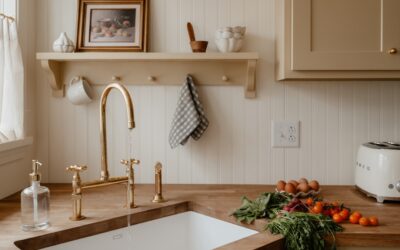
The apron-front look is no longer reserved for sprawling kitchens. A small farmhouse sink in the 24 to 30 inch range brings the same deep bowl and exposed front panel to galley kitchens, condos, cottage kitchens, bars and islands. The catch is that apron sinks are heavy, they sit inside a cut-down cabinet front, and the bowl can be deep enough to crowd the plumbing below. Size it carefully and it works beautifully in tight spaces.
Start with the base cabinet width, then pick a bowl depth you can comfortably reach into, then plan support framing for the weight. Those three decisions solve most small apron sink problems before they start.
Small Farmhouse Sink Sizes and Cabinet Fit
The general rule is that a small farmhouse sink needs a base cabinet about 3 inches wider than the sink’s outside width, though exact requirements vary by model and installation method. Always check the manufacturer’s spec sheet before ordering a cabinet.
| Sink width | Typical base cabinet | Good fit for |
|---|---|---|
| 24 inches | 27 inch (some fit a 24 inch apron cabinet) | Bars, small islands, cottage kitchens |
| 27 inches | 30 inch | Galley kitchens, compact condos |
| 30 inches | 33 inch | Small full kitchens, main sink in tight layouts |
A 24 inch farmhouse sink works well as a secondary sink or as the only sink in a very small kitchen, though it is snug for large pots and sheet pans. At 27 inches, you get space for a dish rack insert or a cutting board across the rim. At 30 inches, a single bowl comfortably handles most everyday dishwashing and is often the sweet spot for a main sink in a compact kitchen.
Front-to-Back Depth
Most apron sinks are 18 to 22 inches front to back. Standard base cabinets are about 24 inches deep, and the countertop overhangs slightly, so a 20 to 21 inch deep sink usually leaves enough room behind for the faucet. Check this measurement if you plan a tall faucet or a soap dispenser behind the sink.
Bowl Depth and Daily Use
Farmhouse sinks are known for deep bowls, commonly 8 to 10 inches. That depth hides dirty dishes and contains splashing, but on a small sink it can also make the bowl feel like a bucket.
- 8 inches: easier reach, less back strain, and more space under the sink for plumbing. A good choice for shorter cooks and small cabinets.
- 9 inches: a balance of capacity and comfort, common in 27 and 30 inch models.
- 10 inches: maximum capacity, but the drain sits low and can interfere with a garbage disposer or the trap height.
Shorter bowls also make it easier to rinse with a pull-down faucet without splashing over the apron. If you plan a disposer, confirm that the bottom of the sink plus the disposer body still leaves the trap arm above the wall drain stub. A deep bowl paired with a low wall drain is a common mismatch.
Material Choices for a Small Farm Sink
The material affects weight, durability and how much support you need. For a small farm sink, these are the common options:
- Fireclay: glazed clay fired at high heat, with a glossy, classic finish. Very heavy, often 60 to 100 pounds for a 30 inch model, and dimensions can vary slightly from piece to piece.
- Cast iron with enamel: durable and traditional, but among the heaviest choices.
- Stainless steel: lightweight, affordable and forgiving of dropped dishes. Look for 16 gauge for a sturdy feel.
- Granite composite: quiet, resists chips and stains, and lighter than fireclay. Available in matte black, gray and white.
- Copper: a warm, rustic look with a patina that changes over time.
- Retrofit apron sinks: designed to fit into an existing 30 or 33 inch cabinet with a shorter apron, reducing how much of the cabinet front must be cut.
General price ranges: stainless apron sinks often start around $250 to $500, composite models run roughly $300 to $700, and fireclay or cast iron can range from $400 to more than $1,000. Installation with cabinet modification and support framing commonly adds several hundred dollars.
Support Framing and Installation Steps
Because apron sinks rest on a frame inside the cabinet rather than hanging from the countertop, solid support is essential. A filled sink can weigh well over 200 pounds once you add water and dishes.
Tools and Materials
- Manufacturer’s spec sheet and cutout template
- Tape measure, level, square and pencil
- Oscillating tool or jigsaw for cabinet cuts
- 2×4 lumber or 3/4-inch plywood for the support frame
- Wood screws, construction adhesive and shims
- 100 percent silicone sealant
- Safety glasses, gloves and a helper for lifting
Installation Steps
- Measure the sink itself. Fireclay sinks vary slightly, so measure the actual sink rather than relying only on the catalog dimensions.
- Remove the false front. Take off the cabinet’s top drawer front or panel and mark the apron cut line.
- Cut the cabinet face frame. Cut the stiles carefully so the apron fits with a small, even gap.
- Build the support frame. Fasten 2×4 cleats to the cabinet sides and add cross supports or a plywood platform at the height that puts the sink rim where the countertop requires. Secure all supports into the cabinet frame with screws and adhesive, and anchor the cabinet to wall studs.
- Dry fit the sink. Set the sink with a helper, check level in both directions and shim as needed.
- Template the countertop. For stone, the sink is usually installed before templating so the fabricator can match the opening to the actual sink.
- Seal and connect. Apply silicone between the sink and countertop, then connect the drain, trap and faucet after the sealant cures.
Always lift heavy sinks with two people and bend at the knees. Dropping a fireclay sink can crack it and injure feet.
Layouts That Work in Small Spaces
A compact apron sink can anchor more than one kind of space:
- Galley kitchens: a 27 inch sink keeps more counter space on both sides for prep.
- Islands: a 24 inch apron sink makes a statement facing the dining area, but plan the drain and vent through the floor.
- Wet bars and butler’s pantries: a small apron sink adds a vintage touch for glassware and ice.
- Laundry and mudrooms: deep bowls are handy for soaking and boot cleaning.
In very small kitchens, consider a single bowl over a double. A 30 inch double bowl leaves each side too narrow for most pans.
Troubleshooting a Small Apron Sink
- Gap between apron and cabinet: fireclay variation is common. Adjust the face frame cut or add trim strips that match the cabinet.
- Countertop seam separating: the support frame may be settling. Re-level and add support before resealing.
- Water dripping down the apron front: a faucet spout that reaches too far forward or a missing drip edge is often the culprit.
- Disposer not fitting: choose a compact disposer or a shallower bowl, or have a plumber lower the drain connection.
- Chips or scratches: use a bottom grid to protect fireclay or enamel from heavy cookware.
When to Call a Licensed Professional
Bring in a cabinet installer or carpenter if you are unsure about cutting the face frame or building support framing that carries the full weight of a filled sink. Moving a drain, adding a vent or plumbing a new island sink should go to a licensed plumber, and many areas require a permit. If your project involves moving walls, cutting floor joists for drain lines or adding a new circuit for a disposer, those tasks need the right licensed trade as well.
Frequently Asked Questions
What is the smallest farmhouse sink size?
Most manufacturers start at 24 inches wide. Some bar and prep apron sinks are as narrow as 20 inches, but those are less common and usually meant for secondary use.
Can a 30 inch farmhouse sink fit in a 30 inch cabinet?
Usually not. Most 30 inch apron sinks need a 33 inch base cabinet, though retrofit models are designed for existing 30 inch cabinets.
How deep should a small farmhouse sink be?
For small kitchens, 8 to 9 inches is a comfortable depth that still contains splashing and leaves room for plumbing. Very deep 10 inch bowls can strain your back and crowd a disposer.
Do farmhouse sinks need special support?
Yes. Apron sinks rest on a support frame inside the cabinet rather than hanging from the countertop. Use solid lumber or plywood cleats fastened securely to the cabinet sides.
Is a small farm sink good for a bar or island?
Yes. A 24 or 27 inch apron sink adds a decorative focal point to an island or wet bar, as long as the drain and vent can be routed properly.