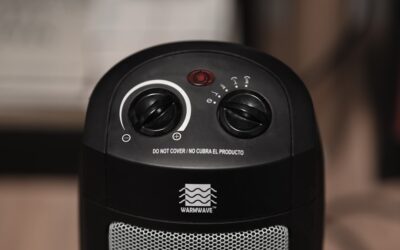
Not every hot-water need calls for a 50-gallon tank the size of a barrel. A remote bathroom sink that takes a full minute to run warm, a garage utility sink, a workshop, an RV, or a tiny apartment all point to the same solution: a small hot water heater installed close to where the water is used. These compact units, ranging from tiny 2.5-gallon point-of-use tanks to slim tankless models, deliver hot water fast, waste less energy, and fit in spaces a conventional heater never could.
This guide explains the types of small water heaters, how to size one, where they shine, and what installation involves so you can pick the right compact unit for your situation.
Two Main Types of Small Water Heaters
Compact water heaters come in two flavors, and choosing between them shapes your whole decision.
Point-of-Use Mini-Tank Heaters
These small electric tanks hold 2.5 to 20 gallons and mount under a sink or on a nearby wall. They plug into a standard 120-volt outlet in the smaller sizes, which makes installation genuinely easy. They keep a reservoir of hot water ready, so you get instant hot water at that fixture without waiting for it to travel from a distant main heater.
Tankless (On-Demand) Point-of-Use Heaters
Compact tankless units heat water instantly as it flows, with no storage tank. They’re extremely space-efficient, mounting flat on a wall, and never run out of hot water. The trade-off is flow-rate limits and, for higher-output models, a need for substantial electrical capacity (often 240 volts and a dedicated circuit).
How to Size a Small Water Heater
Sizing depends on what you’re supplying. For point-of-use applications, capacity or flow rate is everything.
For mini-tank units, match the gallon size to the demand:
- 2.5 gallons: A single bathroom or bar sink for handwashing. Fits under most vanities.
- 4 to 7 gallons: A utility sink, small kitchenette, or a fixture with slightly heavier use.
- 10 to 20 gallons: A single shower, an RV, a tiny home, or a workshop with a sink and occasional larger draws.
For tankless units, focus on flow rate in gallons per minute (GPM) and the temperature rise your climate demands. A bathroom faucet needs about 0.5 to 1.5 GPM, while a shower needs 1.5 to 2.5 GPM. Colder incoming water requires more heating power to hit the same output temperature, so a unit sized for a warm climate may underperform in a cold one.
Where Small Water Heaters Make Sense
These units solve specific problems better than a whole-house heater can:
- Remote fixtures: A sink far from the main heater wastes water and time waiting for hot water to arrive. A mini-tank at the fixture delivers it instantly.
- Additions and ADUs: A new bathroom or in-law suite may be cheaper to serve with a dedicated small heater than to re-plumb to the main tank.
- RVs, boats, and tiny homes: Space and energy are at a premium, and compact heaters fit the footprint.
- Workshops and garages: A utility sink needs hot water without running a line across the property.
- Boosting a slow main heater: A point-of-use unit can supplement demand at a heavy-use fixture.
Energy Efficiency and Savings
Small heaters can save energy in the right application because they eliminate two kinds of waste: the water you run down the drain while waiting for hot water to arrive, and the standby heat loss of keeping a big tank hot for a fixture you rarely use. A point-of-use tankless model uses energy only when water flows, while a well-insulated mini-tank has modest standby loss given its small size.
That said, a small heater serving a low-use sink won’t dramatically change your utility bill; its value is convenience and avoiding waste, not whole-home efficiency. For a genuinely high-use application, a properly sized main heater is still more efficient per gallon.
Installation Basics and Costs
Installation difficulty varies by type. A 2.5-gallon plug-in mini-tank is close to a plug-and-play appliance: mount it, connect the water lines, plug it into a 120-volt outlet, and fill it before powering on (running a dry element burns it out). Many handy homeowners install these themselves in under an hour.
Larger and tankless units get more involved:
- Mini-tank (2.5 to 7 gal, 120V): $150 to $350 for the unit, minimal or DIY installation.
- Larger mini-tank (10 to 20 gal): $250 to $500, may need a dedicated circuit.
- Point-of-use electric tankless: $150 to $500 for the unit; higher-output models require 240-volt wiring and possibly an electrical upgrade, adding $200 to $600 in electrician labor.
Always confirm the electrical requirements before buying. A powerful tankless unit that needs a 60-amp circuit can turn a simple project into a panel upgrade.
Tank vs Tankless for Small Applications
Which compact type is right? Weigh these trade-offs:
- Choose a mini-tank if you want easy 120-volt installation, instant hot water at a single low-flow fixture, and the lowest upfront cost.
- Choose point-of-use tankless if you want maximum space savings, endless hot water, and you can supply the electrical capacity it needs.
For most under-sink and remote-fixture jobs, a small plug-in mini-tank is the simplest, most foolproof choice. Tankless makes more sense where space is truly tight or where you need continuous hot water for a shower.
Making the Right Choice
Start by defining the fixture and its demand, then match a capacity or flow rate to it, and finally check that your space and electrical service can support the unit you want. For a single sink far from the main heater, a 2.5- or 4-gallon plug-in tank installed under the cabinet is hard to beat for cost and simplicity. For a shower in an RV or addition, step up to a 10- to 20-gallon tank or a properly sized tankless model.
A small hot water heater is one of those targeted upgrades that quietly fixes a daily annoyance, no more standing at the sink waiting for warmth, no more running a heating line across the house. Size it correctly, confirm the electrical needs, and it will deliver hot water exactly where you need it for years.
Maintenance and Lifespan
Small water heaters need the same basic care as their full-size cousins, just on a smaller scale. For mini-tank units, sediment can build up in the reservoir over time, especially with hard water, so draining and flushing the tank once a year keeps it efficient and extends its life. Most quality mini-tanks last 6 to 12 years, comparable to a standard tank. If your water is hard, a sacrificial anode rod (present in some models) protects against corrosion and should be checked periodically.
Tankless point-of-use units have no tank to flush, but mineral scale can accumulate on the heating element in hard-water areas, gradually reducing output. Descaling the unit annually with a vinegar solution or a manufacturer-recommended cleaner restores full performance. Because tankless units have fewer parts exposed to standing hot water, they often last longer than tanks when properly maintained, sometimes 15 to 20 years.
Frequently Asked Questions
Can a small water heater run on a regular outlet?
The smallest mini-tanks, typically 2.5 to 7 gallons, plug into a standard 120-volt outlet, which is a big part of their appeal for easy installation. Larger tanks and most higher-output tankless units need a dedicated 240-volt circuit and heavier wiring, so always check the electrical requirements before buying to avoid an unexpected panel or circuit upgrade.
How long does hot water last from a mini-tank?
A mini-tank delivers its full capacity of hot water, then needs time to reheat. A 4-gallon unit is plenty for handwashing and light kitchen use but won’t supply a long shower. For showering, step up to a 10- to 20-gallon tank or choose a tankless unit that provides continuous hot water as long as the flow rate stays within its limit.