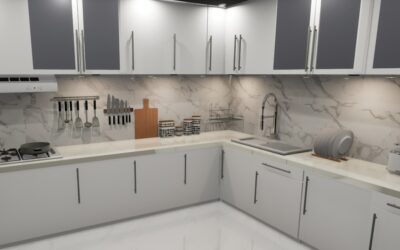
A studio apartment, an in-law suite, or a basement bar rarely has room for a 33-inch double bowl, yet a sink that is too small quickly becomes a daily annoyance. Small kitchen sink sizes generally run from about 15 to 27 inches wide, and the right choice depends on what the sink actually has to handle: rinsing glasses, washing dinner plates, or doing the full dish load for one or two people.
Part of our Kitchen Remodeling guide — explore the full guide →
As a rule, a 15- to 18-inch sink works as a bar or prep sink, a 21- to 25-inch single bowl handles everyday dishes in a kitchenette, and a 27-inch sink is the smallest size where a full-size sheet pan or a small double bowl becomes realistic. Pair each sink with a base cabinet roughly 3 inches wider than the sink, and think carefully about bowl depth, because in a compact kitchen depth often matters more than width.
- Small Kitchen Sink Sizes and the Cabinets They Need
- The 24 Inch Sink: The Kitchenette Workhorse
- When a 27 Inch Sink Makes Sense
- Single Bowl vs Small Double Bowl
- The Depth Tradeoff
- Material Choices for Compact Sinks
- How to Measure and Choose
- Troubleshooting Small Sink Problems
- Typical Cost Ranges
- When to Call a Licensed Professional
- Frequently Asked Questions
Small Kitchen Sink Sizes and the Cabinets They Need
The chart pairs the most common compact widths with typical uses and the minimum sink base cabinet. Undermount models sometimes squeeze into a cabinet equal to their nominal width, so always confirm the spec sheet.
| Sink width | Best use | Minimum cabinet |
|---|---|---|
| 15 to 18 inches | Bar, beverage, or prep sink | 18 to 21 inches |
| 21 to 22 inches | Light-use kitchenette | 24 inches |
| 24 to 25 inches | Studio or in-law kitchen | 27 inches (24 for some undermounts) |
| 27 inches | Full-time small kitchen | 30 inches |
Front-to-back dimensions on a compact kitchen sink usually range from 15 to 20 inches. In shallow spaces, such as a counter built at 20 or 21 inches deep for a hallway kitchenette, look for sinks around 15 to 17 inches front to back so the faucet still fits behind the bowl.
The 24 Inch Sink: The Kitchenette Workhorse
A 24 inch sink hits the sweet spot for most small kitchens. It gives you a bowl about 21 to 22 inches wide inside, enough to lay a dinner plate flat and rinse a 10-inch skillet. Drop-in versions of this size generally need a 27-inch base cabinet because the rim and mounting clips take up space.
For a 24 inch cabinet sink, look for undermount or drop-in models specifically labeled for a 24-inch base. These typically have an outside width around 21 to 22 inches. You lose a little bowl space, but you keep the cabinet footprint as small as possible, which matters when every inch of counter counts in a small kitchenette with sink and two-burner cooktop.
When a 27 Inch Sink Makes Sense
A sink 27 inches wide is the step that turns a kitchenette sink into a real kitchen sink. At this width you can fit a half sheet pan or a larger stockpot, or choose a small double bowl with a roughly 60/40 split. It needs a 30-inch base cabinet in most cases, so it fits only where you can spare an extra 3 to 6 inches of run.
If the space is a basement apartment or accessory dwelling where someone will live full time, a 27-inch single bowl is usually worth the extra width. Daily dishwashing in a bar-size sink gets old quickly.
Single Bowl vs Small Double Bowl
Below about 30 inches, a single bowl almost always beats a double. Two bowls in a 25- or 27-inch sink end up roughly 11 to 13 inches each, too narrow for a dinner plate to lie flat and far too small for a pot. A single bowl gives you one usable basin instead of two cramped ones.
A small double bowl can still make sense if you rarely cook with big pans and want a dedicated side for a drying rack, or if the sink also serves as a hand-washing station. If you go that route, choose an offset design so at least one side stays reasonably large.
Accessories That Add Function
- Over-the-sink cutting boards that turn the bowl into prep space.
- Roll-up drying racks that store flat when not in use.
- Bottom grids that protect the sink and let water drain under dishes.
- A single-hole pull-down faucet, which saves deck space compared with widespread faucets.
The Depth Tradeoff
Compact sinks often come in two flavors: shallow bar sinks around 5 to 6 inches deep and deeper kitchenette sinks around 8 to 10 inches. A deeper bowl contains splashing and hides dirty dishes, which is a real advantage in a studio where the sink is visible from the bed or couch.
Depth costs cabinet space, though. In an 18- or 24-inch base cabinet, a 10-inch bowl plus a P-trap leaves little room for storage, and adding a garbage disposal may be impossible. If you need a disposal, plan on a bowl around 8 inches deep and check that the disposal and trap still clear the cabinet floor. A compact undermount kitchen sink in the 8-inch range is the balanced choice for most tight spaces.
Material Choices for Compact Sinks
Material matters more in a small sink because every dish sits closer to the surface. Stainless steel is light, affordable, and forgiving with dropped glasses, and 18-gauge steel resists dents better than thinner 22-gauge options. Composite sinks hide water spots and scratches well and feel solid, though they are heavier. Fireclay and enameled cast iron look handsome in an in-law suite but add weight and cost, and they can chip if a heavy pan lands hard. For a rental or basement apartment that will see years of daily use, a sound-deadened stainless bowl is the most practical pick.
How to Measure and Choose
- Measure the cabinet interior width at the top, side to side. This is the limit for an undermount bowl.
- Measure counter depth from the front edge to the wall, then subtract space for the faucet and a front lip.
- List what the sink must handle. Glasses only, daily plates, or full cooking cleanup.
- Check the drain location. In basements and additions, the drain height and venting often decide how deep the bowl can be.
- Confirm faucet holes and whether the counter material allows undermounting. Laminate counters typically need a drop-in sink.
Troubleshooting Small Sink Problems
- Constant splashing: the bowl is too shallow or the faucet sits too high. A lower-arc faucet or a deeper bowl helps.
- Pans will not fit: wash large items in a bathtub or choose a wider single bowl next time.
- Slow drain: small sinks often use smaller drain openings. Check the trap for clogs and confirm the drain slopes correctly.
- Faucet hits the wall: the sink is too deep front to back for the counter.
Typical Cost Ranges
Compact stainless bar sinks commonly cost $60 to $250. Small undermount or drop-in kitchenette sinks in stainless or composite usually run $150 to $500. Fireclay and premium options in compact sizes can climb to $400 to $900. Installation for a simple replacement typically adds $200 to $500, while a new sink in a basement or accessory unit that needs new drain, vent, and supply lines often costs much more.
When to Call a Licensed Professional
Replacing an existing sink of the same size with the water shut off at the supply valves and pressure relieved is within reach for many homeowners. Adding a sink where none existed is different. A new kitchenette in a basement, garage conversion, or accessory dwelling usually needs new drain lines, proper venting, and possibly an ejector pump if the sink sits below the sewer line. Those jobs typically require permits and a licensed plumber, and some jurisdictions have rules about second kitchens in single-family homes.
If the project includes a new outlet for a disposal, dishwasher, or under-sink water heater, hire a licensed electrician. Outlets near a sink require GFCI protection. Getting the plumbing and electrical right from the start keeps a small kitchen functional for years, and choosing well among small kitchen sink sizes makes sure the space feels practical rather than cramped.
Frequently Asked Questions
What is the smallest practical kitchen sink size?
For real dishwashing, about 21 to 24 inches wide is the practical minimum. Sinks of 15 to 18 inches work as bar or prep sinks but struggle with plates and pots.
Will a 24 inch sink fit in a 24 inch cabinet?
Usually not. Most 24-inch sinks need a 27-inch cabinet. Look for sinks labeled for a 24-inch base, which have an outside width around 21 to 22 inches.
Is a double bowl worth it in a small kitchen?
Below about 30 inches wide, a single bowl is usually more useful because each half of a small double bowl is too narrow for plates and pans.
How deep should a small kitchen sink be?
About 8 inches deep balances splash control and cabinet space. Deeper bowls hide more dishes but may leave no room for a disposal.
Do I need a permit to add a kitchenette sink?
Adding new plumbing usually requires a permit and a licensed plumber. Some areas also regulate second kitchens, so check with your local building department first.