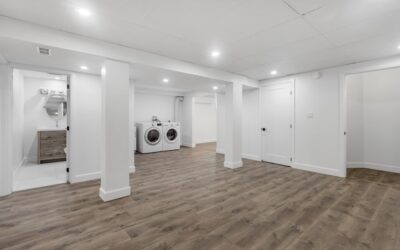
A window is the best thing a tiny laundry room can have, flooding the space with natural light and ventilation that fights the dampness laundry creates. Designing a small laundry room with window means balancing two competing demands: you want to preserve that precious daylight and view while still squeezing in storage, counter space, and the machines themselves. With smart layout choices and the right finishes, you can have a bright, functional laundry room even in a 5-by-7-foot footprint.
Part of our Windows & Doors guide — explore the full guide →
Work Around the Window, Not Against It
The first rule is simple: do not block the window with tall cabinetry or a stacked washer-dryer tower if you can avoid it. Position the machines and base cabinets below the windowsill so the glass stays clear, keeping the natural light and the option to open it for ventilation. Side-by-side front-loaders fit neatly under a counter that runs beneath the window.
If the window sits high on the wall, you have more flexibility to add upper storage on adjacent walls. Treat the window wall as the bright work zone and reserve the solid walls for floor-to-ceiling storage, so nothing competes with the daylight.
Choose the Best Machine Configuration
Your machine layout drives everything else in a small room. Front-loading washers and dryers let you add a countertop on top for folding, the single most useful surface in any laundry room. A stacked unit frees up floor space for a tall storage cabinet but works best on a wall away from the window.
If the room is extremely tight, a compact 24-inch washer-dryer set or an all-in-one combo unit fits where standard 27-inch machines will not. Measure the doorway and the floor space carefully, leaving at least a couple of inches of clearance on each side for airflow and easy leveling.
Maximize Vertical Storage
In a small laundry room, the walls are your best friend. Run open shelving or wall cabinets up to the ceiling on the non-window walls to store detergent, baskets, and cleaning supplies. A single floating shelf above the machines holds frequently used soap and dryer sheets within easy reach.
Add a slim pull-out cabinet between the washer and dryer or beside the machines to hold tall bottles and an ironing board. Over-the-door organizers, hooks for drying delicates, and a wall-mounted drying rack that folds flat all add function without eating floor space. Tension rods between cabinets create instant hanging space for shirts straight from the dryer.
Add a Folding and Work Surface
Counter space transforms a laundry room from a closet into a workroom. A solid countertop spanning the tops of front-loaders gives you a spot to sort, fold, and stack, and it costs little to add a laminate or butcher-block surface over the machines. Even 24 inches of counter makes a noticeable difference.
For rooms too tight for a permanent counter, a fold-down wall-mounted table drops open when you need it and tucks flat against the wall the rest of the time. Position your folding surface near the window so you work in good light, which makes spotting stains and matching socks far easier.
Pick Light, Moisture-Friendly Finishes
Color and material choices make a small room feel larger and hold up to laundry-room humidity. Stick to light, reflective finishes, white or pale cabinets, a soft neutral wall color, and a light countertop, which bounce the window’s daylight around and visually expand the space. A glossy or semi-gloss paint reflects more light and wipes clean easily.
For flooring, choose something waterproof and slip-resistant, since spills and drips are inevitable. Luxury vinyl plank at $2 to $5 per square foot, porcelain tile, or sheet vinyl all handle moisture well and come in light wood-look or stone-look patterns that brighten the room. Avoid carpet and unsealed hardwood here.
Make the Most of Natural Light
Lean into the window as a design feature rather than treating it as an obstacle. Keep window treatments minimal: a simple cafe curtain, a cordless cellular shade, or a moisture-resistant faux-wood blind preserves privacy without darkening the room. A clear glass window over a sink or counter even gives you a pleasant view while you fold.
Supplement the daylight with good task lighting for evenings and gray days. An LED ceiling fixture plus under-cabinet strip lights eliminate shadows on the counter. A few plants on the windowsill thrive in the light and humidity, softening the utilitarian feel of the room.
Add Smart Finishing Touches
Small details turn a functional space into one you actually enjoy using. A pull-out or rolling hamper tucked under the counter hides dirty laundry, while labeled bins for lights, darks, and delicates keep sorting effortless. A wall-mounted retractable clothesline or a fold-flat rack handles air-drying without permanent clutter.
Hooks for the iron, a magnetic strip for small metal tools, and a small trash bin for lint and dryer sheets keep surfaces clear. Thoughtfully outfitted, a small laundry room with window can be the brightest, most efficient work zone in the house, proof that limited square footage and abundant daylight make an ideal combination.
Add a Utility Sink If Space Allows
A small utility sink earns its place in even a tight laundry room, giving you a spot to pre-treat stains, hand-wash delicates, and fill buckets. Compact 18-to-22-inch wall-mounted or cabinet-style sinks fit where a full basin will not, and placing one beneath or beside the window lets you work in natural light while keeping plumbing on an exterior wall.
If a dedicated sink is impossible, a faucet with a pull-down sprayer over a narrow counter or a folding wall-mounted basin offers similar function without a permanent footprint. Pair it with a slim shelf for stain remover, a scrub brush, and a small drying rack so the wet-work zone stays self-contained and tidy.
Ventilation and Moisture Control
Laundry rooms generate heat and humidity, so good airflow protects your finishes and prevents mildew, an advantage your window already provides. Open it during and after running a load to vent steam, and make sure the dryer exhausts through a proper rigid or semi-rigid duct to the outdoors, never just into the room, which dumps moisture and lint inside.
In a tight, humid space, consider adding a small exhaust fan for the days the window stays shut, and choose mildew-resistant paint in a washable finish. Keeping humidity in check matters even more in a compact room, where moisture concentrates fast. With the window handling most of the ventilation, a small laundry room with window stays fresher and drier than a windowless closet ever could.