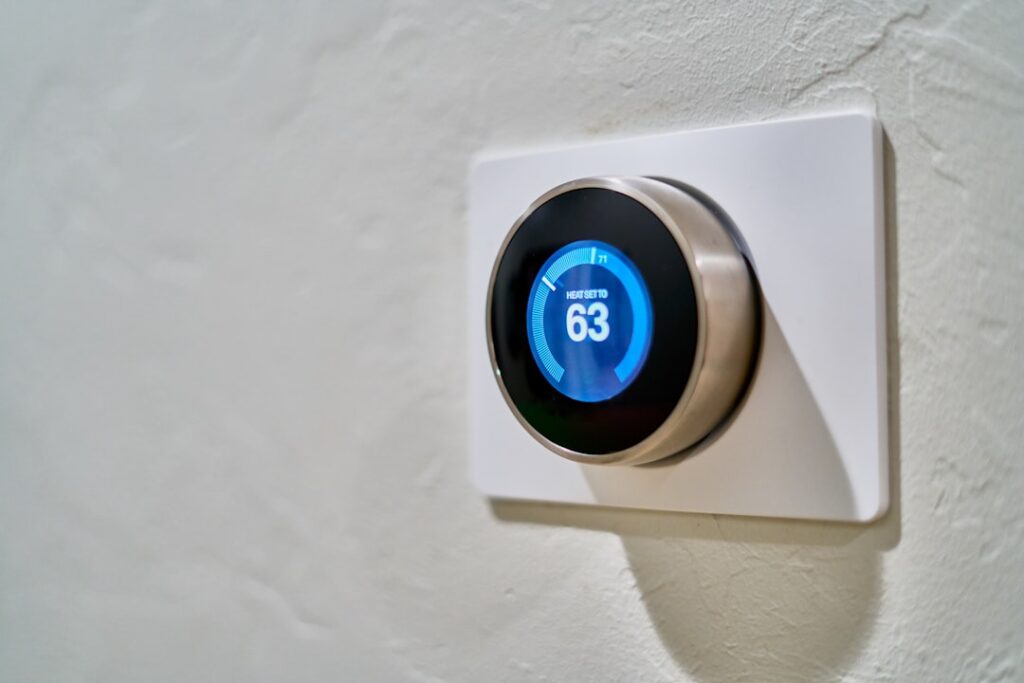
Water heating is the second-largest energy expense in the average American home, accounting for around 18 percent of your utility bill. A smart water heater tackles that cost head-on, using Wi-Fi connectivity, smartphone control, and intelligent scheduling to heat water when you need it and save energy when you don’t. Beyond savings, these systems alert you to leaks, monitor performance, and even integrate with your smart home. If you’re replacing an aging tank or building new, understanding what “smart” really adds will help you decide if it’s worth the upgrade.
A smart water heater isn’t a single product but a category—it includes smart-enabled tank heaters, tankless units with connectivity, heat pump models, and add-on modules that make a conventional heater smart. What they share is app-based monitoring and control that puts your hot water at your fingertips.
What Makes a Water Heater “Smart”
- Wi-Fi connectivity and app control: Adjust temperature, set schedules, and monitor usage from your phone anywhere.
- Vacation and away modes: Lower the temperature or pause heating when you’re gone, then reheat before you return.
- Leak detection: Built-in or paired sensors alert you the moment water is detected, preventing costly flood damage.
- Energy monitoring: Track how much energy and money your water heating uses, and get efficiency tips.
- Predictive scheduling: Learns your household’s hot-water patterns and pre-heats for peak demand, like morning showers, while idling the rest of the day.
- Smart home integration: Works with Alexa, Google Home, and Apple HomeKit, and can respond to utility demand-response programs for bill credits.
Types of Smart Water Heaters
Smart Tank Water Heaters
Traditional storage-tank heaters with built-in Wi-Fi. They store 40 to 80 gallons and add smart scheduling and leak alerts to a familiar design. The most affordable smart option and an easy upgrade from a standard tank.
Smart Tankless Water Heaters
On-demand units that heat water only as it flows, eliminating standby loss entirely. Smart tankless models add app control, usage tracking, and maintenance reminders. They’re more expensive upfront but deliver endless hot water and strong efficiency.
Smart Heat Pump (Hybrid) Water Heaters
The most efficient option, using electricity to move heat from the surrounding air into the water rather than generating it directly. They can be two to three times more efficient than standard electric tanks and often qualify for rebates and tax credits. Smart controls let you toggle between efficiency and high-demand modes.
Add-On Smart Modules
Devices like smart water heater controllers and leak sensors that bolt onto an existing heater, adding app scheduling and leak alerts without replacing the whole unit—a budget-friendly way to gain some smart features.
Real Benefits and Savings
The energy savings come from a few mechanisms. Scheduling and vacation modes stop the heater from keeping 50 gallons hot around the clock when no one is home. Heat pump technology slashes electricity use. And demand-response participation, where your utility briefly adjusts your heater during peak grid times, can earn bill credits. Combined, a smart heater—especially a hybrid—can cut water-heating costs by 20 to 60 percent depending on the type and your habits.
The leak-detection benefit is harder to quantify but potentially huge. Water heater failures are a leading cause of home water damage, and a burst tank can dump 50 gallons and flood a basement. A smart heater that texts you at the first sign of a leak—and some can automatically shut off the water supply—can prevent thousands in damage.
What It Costs
Prices vary widely by type:
- Smart tank heaters: $500 to $1,200 for the unit
- Smart tankless heaters: $600 to $1,500 for the unit, more for whole-house gas models
- Smart heat pump heaters: $1,200 to $2,500, offset by rebates and the federal energy-efficiency tax credit
- Add-on smart modules: $100 to $300
Professional installation typically adds $500 to $1,500, more for tankless units that require gas-line or electrical upgrades. Heat pump models often qualify for the federal Energy Efficient Home Improvement Credit and local utility rebates, meaningfully lowering the net cost.
Installation Considerations
Water heater installation is not a typical DIY job—it involves gas lines, electrical connections, water connections, and venting that must meet code, and mistakes can cause carbon monoxide, fire, or flooding hazards. Most homeowners should hire a licensed plumber. A few things to plan for:
- Wi-Fi signal: Smart heaters need a reliable connection where they’re installed, often a basement or garage. Check your signal strength or plan for a range extender.
- Electrical needs: Heat pump and some tankless models require dedicated circuits or upgraded electrical service.
- Space and clearance: Heat pump units need adequate air volume around them and can cool and dehumidify the space they’re in.
- Venting: Gas tankless units need proper venting; switching fuel types adds complexity.
Common Mistakes to Avoid
- Ignoring Wi-Fi coverage: A smart heater with no signal loses its best features. Verify connectivity first.
- Buying the wrong size: An undersized tank or tankless unit leaves you short on hot water; match capacity to your household’s peak demand.
- DIY on gas or electrical: Leave fuel and high-voltage connections to a licensed pro.
- Skipping rebates: Many buyers miss out on tax credits and utility rebates that can save hundreds—research them before purchasing.
- Neglecting maintenance: Even smart heaters need periodic flushing to remove sediment; use the app’s maintenance reminders.
Sizing Your Smart Water Heater
No amount of smart technology helps if the heater is the wrong size for your household. For tank models, sizing centers on first-hour rating (FHR)—the gallons of hot water the unit can deliver in a busy first hour. A family of two typically needs a 40-gallon tank, three to four people a 50-gallon tank, and five or more a 65- to 80-gallon tank or a high-FHR unit. For tankless models, sizing is based on flow rate in gallons per minute and the temperature rise your climate demands, since colder incoming groundwater requires more heating power. Add up the simultaneous fixtures you expect to run—a shower plus the kitchen sink, for instance—and choose a unit rated to supply that combined flow. Undersizing a tankless heater leads to disappointing lukewarm water during peak demand, one of the most common regrets among buyers who chose on price alone.
Rebates, Tax Credits, and Long-Term Value
The upfront cost of a smart heater—especially a heat pump model—looks steeper than a basic unit, but incentives change the math substantially. The federal Energy Efficient Home Improvement Credit can return a percentage of the cost of qualifying heat pump water heaters, and many electric utilities and state programs stack additional rebates on top, sometimes several hundred dollars. Combined with the ongoing energy savings—which can reach $300 or more per year for a hybrid replacing an old electric tank—the payback period often shrinks to just a few years. Over the 10- to 15-year life of the unit, an efficient smart heater can save well over a thousand dollars while providing better control and leak protection the whole time. Always research available incentives before buying, since they can dramatically improve the value proposition and are frequently overlooked.
Is a Smart Water Heater Worth It?
For most homeowners replacing an old unit, adding smart features costs relatively little over a standard model and pays back through energy savings, leak protection, and convenience. The strongest case is a smart heat pump heater, which combines dramatic efficiency gains with rebates and app control. If you’re not ready to replace your heater, an add-on smart module and leak sensor deliver much of the peace of mind for a modest price.
Whether you choose a connected tank, an endless-hot-water tankless unit, or an ultra-efficient hybrid, a smart water heater turns a silent, energy-hungry appliance into a controllable, monitored part of your home—saving money, preventing disasters, and giving you hot water on your terms.