Soapstone has been used in kitchens for centuries, long before granite and quartz dominated the market. Yet most homeowners have never seen it in person and base their expectations entirely on photos. The real soapstone countertops pros and cons involve tradeoffs that differ significantly from other natural stone options. Soapstone is softer, darker, and lower maintenance than marble, but it scratches easily and comes in a limited color palette. Here is an unbiased breakdown to help you decide if it belongs in your kitchen.
Part of our Countertops guide — explore the full guide →
What Soapstone Actually Is
Soapstone is a natural metamorphic rock composed primarily of talc, which gives it the smooth, soapy feel that inspired its name. The talc content ranges from 30 to 80 percent depending on the quarry, with higher talc content producing a softer, more workable stone. Countertop-grade soapstone typically falls in the 50 to 70 percent talc range, balancing workability with adequate hardness for kitchen use.
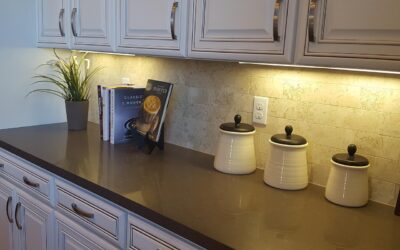
Most soapstone sold in the US comes from Brazil, India, and a small number of domestic quarries in Virginia and Vermont. Colors range from light gray to deep charcoal, often with subtle white or green veining. Unlike granite, soapstone does not come in reds, blues, golds, or dramatic multi-color patterns. If you want visual drama, soapstone is not the material for it. If you want understated elegance with a tactile quality no other stone offers, it delivers.
The Pros of Soapstone Countertops
Naturally Non-Porous
Soapstone is one of the few natural stones that does not require sealing. Its dense, non-porous structure means liquids sit on the surface rather than absorbing. Red wine, coffee, and lemon juice will not stain soapstone even if left for hours. This is a massive advantage over marble and granite, both of which need periodic sealing to prevent staining.
Heat and Chemical Resistant
Soapstone has been used to line wood stoves and fireplaces for centuries because of its exceptional heat resistance and thermal mass. You can place a 500 degree F pan directly on the surface without trivets and see zero damage. No scorching, no cracking, no discoloration. Acidic substances that etch marble on contact have no effect on soapstone because talc does not react with acids. This makes it the most chemically inert natural stone countertop available.
Easy to Repair
Scratches are inevitable on soapstone, but they are also easy to fix. Light scratches disappear when you apply mineral oil. Deeper scratches can be sanded out with 120 to 220 grit sandpaper and re-oiled. No professional stone restoration needed. This repairability gives soapstone a functional lifespan of 50 to 100 years, which is why you see original soapstone countertops in historic New England homes still in daily use.
Antibacterial Properties
The non-porous surface does not harbor bacteria the way granite or concrete can. Laboratory and apothecary countertops have traditionally used soapstone for exactly this reason. For kitchen food prep areas, the hygienic properties provide genuine peace of mind beyond what sealed porous stones offer.
The Cons of Soapstone Countertops
Softness and Scratching
Soapstone ranks 1 to 2 on the Mohs hardness scale for high-talc varieties and up to 5 for architectural grades with higher chlorite content. For reference, granite is 6 to 7 and quartz is 7. Knife blades, pot edges, and even fingernails can leave visible marks on softer soapstone varieties. If you use your countertop as a cutting surface without a board, expect a network of fine scratches within months.
Limited Color Selection
Soapstone comes in shades of gray and green-gray. Period. There are no whites, blacks, beiges, or dramatic veined options comparable to Calacatta marble or Fantasy Brown granite. Oiling darkens the stone to a rich charcoal that many homeowners love, but the range remains narrow. If your kitchen design depends on a specific color, soapstone may not work.
Darkening Over Time
Unoiled soapstone starts light gray and develops a natural patina that darkens the stone unevenly over months. Areas around the stove and sink darken faster than low-use sections, creating a mottled appearance during the transition period. Applying mineral oil accelerates this process and produces a uniform dark finish, but you commit to regular oiling or accept patchy coloring for the first year.
Higher Cost Than Many Alternatives
Soapstone runs $70 to $120 per sq ft installed, placing it in the same range as premium granite and mid-grade marble. For a 40 sq ft kitchen, expect $2,800 to $4,800 plus fabrication and installation. The limited number of soapstone fabricators in many US markets can extend lead times and reduce competitive pricing.
Oiling and Maintenance
Soapstone maintenance is simpler than nearly any other natural stone. No sealing is required or even recommended. The primary maintenance task is applying food-grade mineral oil to enhance color and blend scratches.
For new installations, apply mineral oil once a week for the first month, then monthly for the first year. After that, oil every three to six months or whenever the surface appears dry or lighter than desired. Each application takes 10 to 15 minutes for a full kitchen. Apply with a soft cloth, let it absorb for 30 minutes, then buff away the excess.
Some homeowners skip oiling entirely and let the stone develop its natural patina over one to two years. The eventual result is the same dark finish, just with an uneven transition period. Daily cleaning requires nothing more than soap and water. No special stone cleaners, no pH-neutral requirements, no worrying about acidic substances. This low-maintenance reality is the biggest practical advantage when weighing soapstone countertops pros and cons.
Soapstone vs Granite, Marble, and Quartz
- vs Granite: Granite is harder, more scratch-resistant, and available in hundreds of colors. Soapstone wins on heat resistance, chemical resistance, and zero sealing requirements. Pricing is comparable.
- vs Marble: Marble offers brighter whites and dramatic veining but etches, stains, and requires sealing. Soapstone is far more practical for active kitchens. Marble wins purely on aesthetics for light-colored designs.
- vs Quartz: Quartz is harder, available in more colors, and requires no maintenance. Soapstone offers superior heat resistance (quartz scorches above 300 degrees F), a natural material appeal, and repairability that quartz lacks.
Is Soapstone Right for Your Kitchen?
Soapstone is the right choice for homeowners who cook frequently, dislike the idea of sealing stone every year, and appreciate a material that develops character with age. It pairs beautifully with farmhouse, traditional, and transitional kitchen styles. White or light-colored kitchen designs that depend on a bright countertop surface should look elsewhere. The soapstone countertops pros and cons favor households that prioritize function and longevity over a wide color palette, and who find beauty in a surface that tells the story of daily use rather than hiding it.