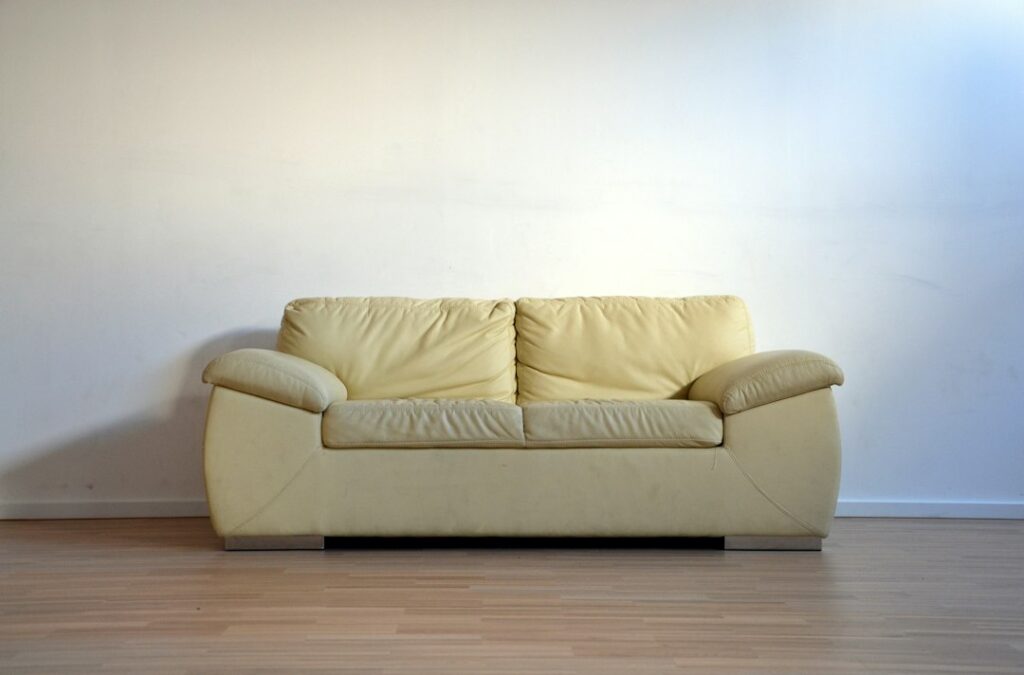
A sofa that still looks good but sits like a hammock usually has a foam problem, not a frame problem. Sofa foam replacement is one of the highest-value repairs in any living room: new cores restore support, fill out wrinkled covers, and make a tired couch feel close to new again. You do not need upholstery training, just a tape measure, the right foam specs, and some patience with zippers.
The catch is that foam is sold by numbers most people never see on a store tag. Density tells you how long the foam will last. Firmness, measured as ILD or IFD, tells you how it will feel. Get both right and your cushions will hold their shape for years; get them wrong and you will be back to flat seats in a season or two.
- Sofa Foam Replacement Basics: Diagnose Before You Buy
- Understanding Foam Density and ILD
- Tools and Materials
- Step-by-Step: Measuring and Replacing Cushion Foam
- Refilling Back and Loose-Fill Cushions
- Chair Foam Replacement Tips
- Troubleshooting
- What It Costs and When to Call an Upholsterer
- Frequently Asked Questions
This guide covers cushion foam specifically: seat and back cushions that unzip. If your sofa sags even with the cushions removed, the springs or webbing in the deck are the issue, and new foam alone will not fix that.
Sofa Foam Replacement Basics: Diagnose Before You Buy
Pull the seat cushions off and look at the deck underneath. Press down firmly across it. If the deck feels even and springy, the sag you notice when sitting is in the foam. If one area drops noticeably, or you hear popping or see broken webbing straps, the support system needs attention before new cushions will help.
Next, unzip a cushion and look inside. Common signs that foam is finished include:
- A permanent dip where people sit most often
- Crumbling edges or yellow, powdery bits on the fabric
- A core that feels soft all the way through with no rebound
- Batting that has shifted and clumped, leaving hard foam edges exposed
- Loose fiber or feather fill that has flattened into thin pads
Sometimes the foam is still decent but the batting wrap has broken down. In that case, a fresh layer of batting is a cheap way to fix sofa cushion shape without replacing the core. If the foam itself has lost its rebound, full couch foam replacement is the better call.
Understanding Foam Density and ILD
Density is the weight of one cubic foot of foam, listed in pounds. It is the best single predictor of durability. Budget furniture often uses foam around 1.5 pounds per cubic foot or lower, which breaks down quickly under daily sitting. For seat cushions, look for high-density upholstery foam in roughly the 1.8 to 2.8 range. Higher numbers generally mean a longer life and a slightly higher price.
ILD (indentation load deflection) or IFD measures firmness: how many pounds of force it takes to compress a sample by 25 percent. Lower numbers feel softer, higher numbers feel firmer. Density and firmness are separate properties, so you can buy a dense, long-lasting foam that still feels soft.
| Cushion use | Typical ILD range | Feel |
|---|---|---|
| Back cushions | Roughly 18-25 | Soft, conforming |
| Seat cushions, softer | Roughly 25-33 | Plush sink-in |
| Seat cushions, firm | Roughly 33-45 | Supportive, upright |
| Dining and accent chairs | Roughly 35-50 | Firm, holds shape |
If you want a firm sofa cushion replacement for someone who struggles to get up from a low couch, lean toward the upper end of the seat range. For a family room sofa where people nap and lounge, a medium seat foam around the low 30s is a good compromise.
Some suppliers also offer layered cores, such as a firm base with a softer top layer, or foam wrapped in a thin layer of memory foam. Those can feel luxurious but cost more and add warmth.
Tools and Materials
- Tape measure
- Replacement foam cut to size, or full sheets if cutting yourself
- Upholstery batting (polyester, typically 1 inch thick)
- Spray adhesive rated for foam
- Electric carving knife or a long serrated bread knife
- Straightedge and marker
- Thin plastic sheeting or dry-cleaner bags
- Scissors
Step-by-Step: Measuring and Replacing Cushion Foam
- Measure the cover, not the old foam. Old foam shrinks and distorts. Measure the cushion cover seam to seam for width, depth, and thickness (the height of the boxing strip).
- Add a little for a snug fit. Many upholsterers add about half an inch to width and depth so the cover fills out crisply. Thickness is usually cut to match the boxing plus the batting.
- Note odd shapes. T-cushions, curved fronts, and angled corners need a paper template. Unzip the cover, lay it flat on kraft paper, and trace it.
- Order or cut the foam. Ordering precut foam saves effort and gives cleaner edges. If cutting yourself, mark lines with a straightedge and use an electric carving knife held vertically, letting the blade do the work.
- Wrap in batting. Lightly mist the foam’s top, front, and bottom with spray adhesive in a ventilated space. Wrap batting around the cushion like a taco, front edge folded over. Trim the batting flush at the sides and back.
- Bag the foam. Slide the wrapped cushion into a thin plastic bag. This reduces friction so it slips into the cover easily.
- Stuff the cover. Fold the foam slightly lengthwise, push it into the cover front first, and work the corners in with your fingers. Pull the plastic out through the zipper opening once the foam is seated.
- Zip and shape. Close the zipper and smack the cushion on the sides to settle the batting. Rotate and flip cushions regularly going forward.
Refilling Back and Loose-Fill Cushions
Many back cushions are not solid foam at all. They are filled with polyester fiber, feathers, or a blend in sewn channels. Sofa cushion repair for these usually means opening the channels, removing the matted fill, and adding new fiber or feather blend. Buy more fill than you think you need; fiber compresses quickly after the first week of use.
If you prefer a crisper look, you can switch loose-fill back cushions to a soft foam core wrapped in thick batting. This holds shape better but changes the relaxed style of the sofa, so consider how you want it to look before committing.
Chair Foam Replacement Tips
Chair foam replacement follows the same logic but often involves stapled rather than zippered seats. On a dining chair, remove the seat by unscrewing it from underneath, pull staples to release the fabric, and replace the foam pad. Use a firmer foam for chairs, since you sit on a smaller area and bottoming out happens quickly. Chair cushion foam replacement for patio or kitchen chairs with tie-on pads works like a small sofa cushion: unzip, swap, rewrap.
Troubleshooting
The cushion looks lumpy. Batting may have bunched during stuffing. Unzip, smooth it, and add a light mist of adhesive to hold it in place.
The cover will not close. The foam is too thick or wide. Trim a quarter inch at a time from the back edge, where it will not show.
The cushion feels too firm. Add a softer top layer or a thicker batting wrap rather than replacing the entire core. New foam also softens a bit during the first few weeks.
Seats still sag. Check the deck. Stretched webbing or broken sinuous springs underneath will pull even new foam down. That is a separate repair.
Foam smells. New polyurethane foam can have a mild odor. Air it out in a ventilated room for a day or two before stuffing covers.
What It Costs and When to Call an Upholsterer
DIY sofa seat cushion replacement generally costs somewhere between a few dozen dollars and a couple hundred dollars per cushion, depending on size, density, and whether the foam comes precut and wrapped. High-density and specialty foams cost more but can last several times longer than budget foam.
An upholsterer can supply and install foam in your existing covers, usually charging for materials plus labor. That route makes sense when covers are fragile, cushions have complex shapes, or you want matching firmness across a sectional. It is also worth a pro visit if the frame, springs, or webbing need work at the same time, since a shop can handle everything in one pass.
For most standard box cushions, though, sofa foam replacement is a straightforward weekend job. Choose density for durability, choose ILD for comfort, wrap it well, and your couch can feel supportive again for years.
Frequently Asked Questions
What density foam is best for sofa cushions?
For seat cushions, high-density foam in roughly the 1.8 to 2.8 pounds per cubic foot range holds up well to daily sitting. Back cushions can use a lower density because they carry less weight.
Should new foam be bigger than the cushion cover?
Slightly. Adding around half an inch to width and depth, plus a batting wrap, helps the cover fill out without wrinkles. Too much oversize strains zippers and seams.
Why wrap foam in batting?
Batting softens the hard edges of cut foam, fills the cover’s corners, and reduces friction so the fabric does not wear against the foam. It also gives a rounder, more finished look.
How long does replacement sofa foam last?
Lifespan depends mainly on density and use. Quality high-density foam in a daily-use sofa commonly lasts many years, while low-density foam may flatten within a couple of years.
Can I fix couch cushions without new foam?
Sometimes. If the foam still rebounds but looks flat, adding a new batting wrap or a thin topper layer can restore shape. If the core has crumbled or stays compressed, replacement is the lasting fix.