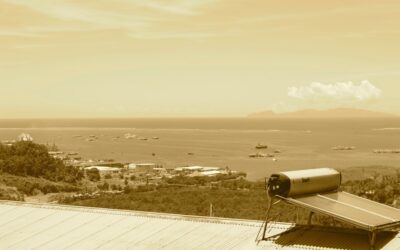
When a solar water heater stops delivering hot water, the collectors on the roof are rarely the problem. In most active systems, the failure traces back to a circulation pump, a controller or temperature sensor, or a loss of heat-transfer fluid. Solar hot water repair starts with narrowing down which of those parts has quit, and many of those checks can be made from the ground without touching the roof.
Here is the quick diagnostic path. If the tank is cold on a sunny afternoon, check whether the controller has power and shows sensor readings that make sense. Next, confirm the pump runs when the controller calls for it. Then check the loop pressure gauge on a closed-loop glycol system: a pressure drop signals a leak or fluid loss. Finally, look for signs of stagnation, such as dark or burnt-smelling glycol, which means the fluid has broken down and needs replacing.
- How a Solar Hot Water Repair Diagnosis Works
- Safety First: Scalding Fluid, Pressure, Electricity, and Roofs
- Tools and Materials
- Troubleshooting the Circulation Pump
- Controllers and Temperature Sensors
- Glycol Loss and Stagnation
- Collector Leaks
- Cost of Solar Water Repair
- When to Call a Licensed Professional
- Frequently Asked Questions
Some fixes, such as replacing a sensor or resetting a controller, are within reach of a careful homeowner. Others involve pressurized, extremely hot fluid, electrical work, and roof access, and those belong with a licensed solar thermal technician or plumber.
How a Solar Hot Water Repair Diagnosis Works
Active solar water heating systems share a basic layout. Collectors on the roof absorb sunlight and heat a fluid. A controller compares the collector temperature with the tank temperature using two sensors. When the collector is warmer by a set differential, the controller switches on a circulation pump, which moves the fluid through a heat exchanger in or near the storage tank.
Closed-loop glycol systems use a propylene glycol and water mix that resists freezing, with an expansion tank, pressure gauge, and relief valve on the loop. Drainback systems use plain water that drains back into a reservoir whenever the pump stops. Direct systems circulate potable water through the collectors and are mostly found in freeze-free climates. Knowing which you have tells you which failures to look for.
- No hot water at all: suspect the controller, pump, or a tripped breaker.
- Lukewarm water only: suspect sensor errors, low fluid, air in the loop, or shading of the collectors.
- Loud gurgling or banging: suspect air in the lines, a failing pump, or boiling from stagnation.
- Pressure dropping on the gauge: suspect a leak or a relief valve discharging.
Safety First: Scalding Fluid, Pressure, Electricity, and Roofs
Solar collectors can reach temperatures well above boiling on a sunny day, and during stagnation the fluid inside can exceed 300°F. The loop is also under pressure. Opening a fitting on a hot, pressurized system can spray scalding fluid or steam. Work only on cool collectors, either early in the morning, at night, or after covering the collectors with an opaque tarp for several hours. Let the system cool, then relieve pressure through the proper drain or fill valve before loosening anything.
Treat glycol with care as well. Wear gloves and eye protection, catch drained fluid in a container, and dispose of old glycol according to your local hazardous waste guidelines. Never mix automotive antifreeze into a solar loop; only use fluid rated for solar thermal systems.
Before touching a controller, pump, or wiring, switch off the circuit breaker and confirm the power is off with a non-contact voltage tester. Never test live circuits or components. If you need to go on the roof, use a properly set ladder and a personal fall arrest system, and leave steep or two-story roofs to a professional.
Tools and Materials
- A digital multimeter for checking sensor resistance with power off
- A non-contact voltage tester
- Replacement temperature sensors matched to your controller type
- A replacement solar hot water controller if the existing unit has failed
- Solar-rated propylene glycol and a refractometer or test strips
- A fill and flush pump kit for charging closed loops
- Pipe wrenches, adjustable wrenches, thread sealant, and replacement fittings
- Insulated gloves, safety glasses, a bucket, and rags
- An opaque tarp for covering collectors
A modern solar hot water controller with a clear display makes troubleshooting much easier because it shows live collector and tank temperatures and pump status. If your old controller has no display, upgrading can pay for itself in reduced guesswork.
Troubleshooting the Circulation Pump
A pump that fails to run is one of the most common solar hot water repairs. On a sunny day, when the controller shows the collector much hotter than the tank, the pump should be running. You can often feel a gentle vibration or hear a hum at the pump body.
- Check the controller display for a pump-on indicator or output status.
- If the controller calls for the pump but nothing happens, turn off the breaker, confirm it is dead with a non-contact tester, and inspect wiring connections for looseness or corrosion.
- Look for signs of a seized pump, such as a hot motor housing without flow. Some circulators have a bleed screw or shaft slot that can free a stuck rotor once the system is cool and depressurized.
- If the pump runs but the collector stays hot and the tank stays cold, suspect an air lock, closed valve, or blocked line.
Replacing a circulator involves isolating valves, draining a section of loop, and electrical connections. Many homeowners stop at diagnosis and let a technician swap the pump.
Controllers and Temperature Sensors
Controllers rely on two or more sensors, usually thermistors, to make decisions. A failed or disconnected sensor can cause the pump to never run, or to run all night and pull heat out of the tank to the roof.
- Readings that make no sense, like a collector reading of -40°F on a warm day, usually point to a broken wire or failed sensor.
- With the breaker off and the sensor disconnected, measure its resistance with a multimeter and compare the value with the manufacturer’s temperature chart.
- Check sensor placement. A collector sensor that has slipped out of its well or a tank sensor with loose insulation will give misleading temperatures.
Replacing a tank sensor is usually a simple job at ground level. Collector sensors require roof access, so weigh the safety risks before tackling one yourself.
Glycol Loss and Stagnation
In closed-loop systems, the pressure gauge is your early warning. A steady drop over days or weeks means fluid is escaping somewhere: a weeping fitting, a failed relief valve, or a collector leak. Look for crusty residue at joints, wet insulation, and drips on the roof or attic floor.
Stagnation happens when the collectors get hot but fluid is not moving, often during a power outage, pump failure, or vacation with no hot water use. Repeated stagnation cooks the glycol, turning it dark and acidic, which can corrode components. Test glycol every year or two with a refractometer or pH strips, and replace it if freeze protection or pH has fallen out of range. Recharging a loop requires flushing old fluid, filling with a pump kit, purging air, and setting the correct pressure, which is best done by a technician unless you have the specific equipment.
Collector Leaks
Leaks at the collectors usually show up as stains on the roof, wet insulation on the lines, or a pressure drop. Common points are header connections between panels, sensor wells, and air vents at the top of the array. Freeze damage in older direct systems can split collector tubes. Roof work is required for any of these repairs, so a licensed installer with fall protection should handle them in most cases.
Cost of Solar Water Repair
Costs vary widely by part and access. A replacement temperature sensor is inexpensive, and a homeowner can replace a tank sensor for the cost of the part. A new controller or circulation pump costs more for parts, plus a service call if you hire a technician. Glycol replacement is typically a mid-range service because it includes fluid, flushing, and labor. Collector repair or replacement is the most expensive, especially when crane or roof access costs are involved.
Many solar thermal contractors charge a diagnostic or trip fee, then quote the repair. Keeping an annual maintenance visit on the calendar tends to prevent the larger failures that come from ignored pressure drops and cooked glycol.
When to Call a Licensed Professional
Call a licensed solar thermal technician, plumber, or electrician whenever a repair involves opening the pressurized loop, replacing a pump or controller wiring, recharging glycol, working on the roof, or repairing a collector. These jobs combine scald hazards, electrical hazards, and fall hazards, and they often require permits or specialized equipment.
A licensed pro is also the right choice if the system is still under warranty, if you smell burnt glycol, if the relief valve is discharging, or if you see any sign of water damage inside the house. Homeowners can safely handle observation, reading the controller display, checking gauges, and tank-side sensor checks with the power off.
Frequently Asked Questions
Why is my solar water heater not getting hot?
The most common causes are a pump that is not running, a failed controller or sensor, low glycol pressure, or shading on the collectors. Start with the controller display and pressure gauge.
How often should solar glycol be replaced?
Many manufacturers suggest testing glycol every one to two years and replacing it every several years or after any serious stagnation event, whichever comes first.
Is it safe to do solar hot water repairs myself?
Basic checks, such as reading gauges and replacing a tank sensor with the power off, are reasonable. Anything involving pressurized hot fluid, roof work, or electrical wiring should go to a licensed professional.
What does it mean if my pressure gauge keeps dropping?
A dropping gauge on a closed-loop system signals fluid loss from a leak, a relief valve discharge, or a failing expansion tank. Have the loop inspected before the pump runs dry.
Can a failed sensor cause the pump to run at night?
Yes. If the collector sensor reads falsely high, the controller may run the pump after dark and move heat from the tank to the roof, cooling your stored water.