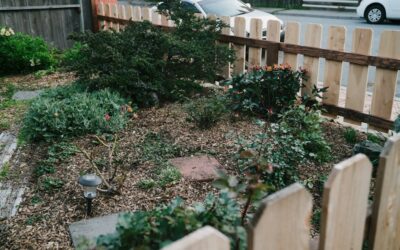
A trip from the driveway to the front door at 10 p.m. on a winter evening should not require carrying a flashlight. Yet many homeowners avoid wired path lighting because of the trenching, the conduit, the transformer, and the licensed electrician. A solar path light bypasses all of that. Stake it into the ground, point its panel at the sky, and let the sun handle the wiring for you. The trade-off is that solar lights vary wildly in quality — a $40 set of four lights from a no-name brand will be in the trash within two seasons, while a well-engineered set from a known brand can light a walkway for a decade.
What Makes a Good Solar Path Light
Three components determine how well a solar light actually performs. The solar panel determines how much charge accumulates each day. The battery determines how much energy stores overnight. The LED determines how much usable light comes out.
- Polycrystalline solar panel, 1.5 to 2 watts: Enough output to fully charge the battery on a partly cloudy day.
- LiFePO4 battery (lithium iron phosphate), 1500 mAh or more: Lasts 5 to 8 years, handles freeze-thaw cycles, retains charge in cold weather.
- Warm white LED, 10 to 30 lumens: Bright enough for path visibility without glare. Color temperature around 3000K.
Cheaper lights use NiMH or NiCd batteries that degrade within a year and die outright in the second winter. The battery is often the failure point. Replacement batteries are widely available, but only if the manufacturer designed for replacement.
Top Solar Path Lights for 2026
These eight models earn their place across different budgets and design preferences.
- Hampton Bay Solar LED Bollard (8-pack): $80. Black aluminum housing, 10 lumens per light. Home Depot’s reliable budget pick.
- Gama Sonic Royal Bulb GS-105B: $90 each. Cast aluminum body, 12 lumens, dusk-to-dawn sensor.
- Brightech Ambience Pro: $120 for 10 lights. Designed for short paths, integrated stakes.
- Sterno Home GL40694: $40 for 8. Stainless steel, decent for one-season use.
- Beau Jardin Glass Solar Lights (8-pack): $80. Glass diffusers, more refined look than typical plastic models.
- SOLPEX Solar Pathway Lights (12-pack): $90. Color-changing options, multiple modes, plastic build.
- Westinghouse Outdoor Pathway 6-Pack: $120. Stainless steel, brighter at 30 lumens, replaceable batteries.
- Kichler 15770BKT Solar: $60 each. Architectural-grade, designed to match other Kichler landscape lighting.
Sizing and Spacing
A typical 40-foot walkway needs 6 to 10 path lights for even illumination. Space lights 4 to 6 feet apart along the walkway edge. Closer spacing creates a runway effect that can look overdone; wider spacing leaves dark patches between lights.
For longer driveways and garden paths, mix in occasional brighter lights at gateways or curves. The Gama Sonic GS-105B at 12 lumens makes a good marker every 30 feet, with the dimmer Hampton Bay lights filling in between.
Plan light placement before staking. Walk the path at night with a friend holding a flashlight at different stake positions — this saves the frustration of pulling stakes out of frozen ground in November because the lighting plan was wrong.
Installation
Solar path lights install in about 60 seconds each. The process is straightforward but a few small steps matter for long-term performance.
- Unbox the lights and expose the panels to direct sunlight for one full day before installing. This charges the battery from the factory partial charge.
- Loosen or remove the pull-tab on the battery to activate the circuit. Most lights ship with an insulator that prevents shipping discharge.
- Confirm each light turns on when covered with a dark cloth. Replace any defective units before installing.
- Drive the stakes into soft ground using gentle hand pressure. Hard ground requires a screwdriver pre-hole, not hammer force — the plastic stakes snap easily.
- Orient each panel toward true south for maximum daily charge. Even five degrees off-axis costs charge time.
- Avoid placing lights under tree canopy or eaves. Filtered light reduces panel output by 60 percent or more.
Why Some Solar Lights Fail Early
Three failure modes account for most short-lifespan complaints.
The most common is battery degradation. Cheap NiMH batteries lose half their capacity in 18 months under typical outdoor temperature cycling. A light that ran 8 hours when new might run 2 hours after 18 months, then fail entirely shortly after.
The second is panel hazing. UV-exposed plastic panels develop a milky surface film after 2 to 3 seasons. The film blocks 30 to 50 percent of incoming light. Wiping with a microfiber cloth and a few drops of plastic restorer (Meguiar’s PlastX, $8) brings panels back to near-new clarity.
The third is water ingress. Cheap solar lights have rubber gaskets that fail within a year. Water in the LED housing causes corrosion and dead lights. Models rated IP65 or higher tolerate prolonged rain; lower ratings need replacement after the first wet season.
Winter Use and Storage
In freezing climates, solar lights mostly work fine through winter, but with shorter run times due to weaker sun angle. LiFePO4 batteries hold up well through cold weather. NiMH batteries lose significant capacity below 32 degrees.
Snow blocks the panels. After any 2-inch snowfall, brush snow off the panels with a soft broom — even a thin layer of snow drops output to nearly zero. Lights buried in deeper drifts will simply not work until they are dug out.
For long winter storage in extreme climates, pull the lights, clean the panels, and store them in a garage with the battery activated. Charging them once per month with a 5-minute sun exposure prevents deep discharge that kills batteries permanently.
Care and Replacement Parts
Clean panels twice a year with a microfiber and a 1:1 water-to-vinegar spray. The vinegar removes mineral deposits from sprinkler overspray and rainwater.
For lights with replaceable batteries, swap them every 3 to 5 years. AA-size LiFePO4 batteries from Tenavolts run about $15 for a 4-pack and outlast original equipment batteries by years. Match the voltage — 1.5V LiFePO4 replaces 1.2V NiMH directly in most lights.
Stakes break before the lights do. Most manufacturers sell replacement stakes for $2 to $5 each, and aftermarket stakes from Westinghouse or generic suppliers fit common diameters.