Few architectural styles evoke warmth and romance quite like a Spanish house. Rooted in centuries of Mediterranean tradition and refined during the Spanish Colonial Revival of the 1920s and 1930s, these homes remain wildly popular across the Sun Belt, from Southern California to Florida. Their thick stucco walls, clay tile roofs, and courtyards are as functional in hot climates today as they were 300 years ago.
Defining Features of Spanish Architecture
A Spanish house is instantly recognizable, even from a distance. Several hallmark elements tie these homes together regardless of size or era:
- Stucco exterior walls — smooth or textured, typically in white, cream, or warm earth tones
- Clay barrel tile roofs — the iconic red or terracotta S-shaped tiles that shed rain efficiently
- Arched doorways and windows — rounded arches appear at entries, hallways, and window openings
- Interior courtyards — enclosed outdoor rooms with fountains, tile work, and plantings
- Wrought iron details — railings, window grilles, light fixtures, and hardware
- Exposed wood beams — heavy timber or decorative vigas on ceilings
- Low-pitched rooflines — often with multiple levels and varied rooflines
These features evolved from practical needs. Thick stucco walls provide insulation against desert heat. Tile roofs resist fire and last 50-100 years. Courtyards create shaded outdoor living space while channeling breezes through the home.
Spanish House Styles in America
Spanish Colonial
The original style brought by missionaries to California, Texas, and Florida in the 1600s-1800s. Simple rectangular floor plans with thick adobe or stucco walls, minimal ornamentation, and small windows. Mission-style churches are the most famous surviving examples.
Spanish Colonial Revival
The most common style found in American neighborhoods today. Popularized after the 1915 Panama-California Exposition in San Diego, these homes added decorative tile work, elaborate ironwork, and larger windows to the colonial base. Architects like George Washington Smith and Addison Mizner created iconic examples in Santa Barbara and Palm Beach.
Mediterranean Revival
A broader category that blends Spanish, Italian, and Moorish influences. Expect grander proportions, symmetrical facades, balconies with balustrades, and more ornate detailing. Common in affluent neighborhoods built during the 1920s Florida land boom.
Interior Design for a Spanish House
The interior of a Spanish house should feel warm, grounded, and connected to the outdoors. Start with these foundational choices:
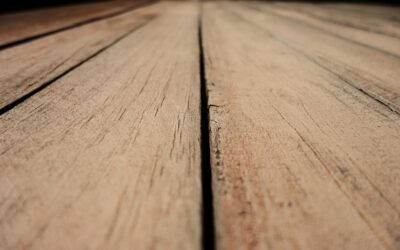
Flooring sets the tone immediately. Saltillo tile (handmade Mexican terracotta) is the classic choice at $3-$8 per square foot. Porcelain tiles that mimic terracotta or natural stone offer lower maintenance. Wide-plank hardwood in walnut or hickory works in bedrooms and upper floors where tile feels too cold.
Walls benefit from texture. Venetian plaster, skip-trowel stucco, or lime wash create depth and warmth. Paint colors should lean toward warm whites (Benjamin Moore White Dove OC-17), soft terracotta, sage green, or deep indigo for accent walls.
Ceiling treatments define a Spanish house interior. Exposed wood beams, whether structural or decorative, add instant character. Stain them dark walnut or leave them natural. Tongue-and-groove planking between beams completes the look.
Modernizing Without Losing Character
Many homeowners buy a Spanish house for its charm but want modern functionality. Here is how to update without destroying what makes the style special:
- Replace single-pane arched windows with insulated glass in matching profiles (Marvin and Pella offer custom arch-top options)
- Open up the kitchen to adjacent rooms while keeping one arched pass-through as a design anchor
- Install mini-split HVAC systems to avoid bulky ductwork that requires dropped ceilings
- Update bathrooms with hand-painted Talavera tile accents rather than all-white subway tile
- Add recessed LED lighting alongside original wrought iron fixtures for layered illumination
The biggest mistake in a Spanish house renovation is going too contemporary. Flat-panel cabinets, frameless glass, and industrial finishes clash with arched openings and clay tile. Aim for an updated traditional look instead.
Landscaping a Spanish House
The landscape should feel like an extension of the architecture. Drought-tolerant plants native to Mediterranean climates thrive in the same conditions that suit the house itself.
Foundation plantings should include rosemary, lavender, bougainvillea, and Mexican sage. Olive trees, Italian cypress, and California pepper trees provide vertical structure. Gravel or decomposed granite paths feel more authentic than concrete walkways, and they cost less to install at $1-$3 per square foot.
A courtyard or walled patio garden is the signature outdoor feature of any Spanish house. Even a small space gains drama with a simple wall fountain ($200-$500 for a cast-stone model), potted citrus trees, and hand-painted ceramic planters. Use string lights or iron lanterns for evening ambiance.
Costs of Owning a Spanish House
Spanish-style homes carry some unique maintenance costs compared to conventional construction:
- Roof tiles: Replacement runs $15,000-$35,000 for a typical roof, but tiles last 50-100 years versus 20-25 for asphalt shingles
- Stucco repairs: Crack repair costs $8-$50 per square foot depending on severity. Budget for touch-ups every 5-7 years
- Wrought iron maintenance: Sand, prime, and repaint railings and grilles every 3-5 years ($200-$800 depending on quantity)
- Tile floor care: Saltillo tile needs resealing every 2-3 years ($0.50-$1.50 per square foot for professional application)
Despite higher spot-maintenance costs, a well-built Spanish house holds its value exceptionally well in markets like Santa Barbara, Scottsdale, San Antonio, and South Florida where the style is culturally embedded.
Is a Spanish House Right for You
This style rewards homeowners who appreciate craftsmanship, patina, and indoor-outdoor living. It suits warm and dry climates best, though Spanish Revival homes exist as far north as Chicago and Denver. If you want a home with soul, a sense of history, and rooms that feel alive with texture and warmth, a Spanish house delivers in ways that cookie-cutter construction never will.