
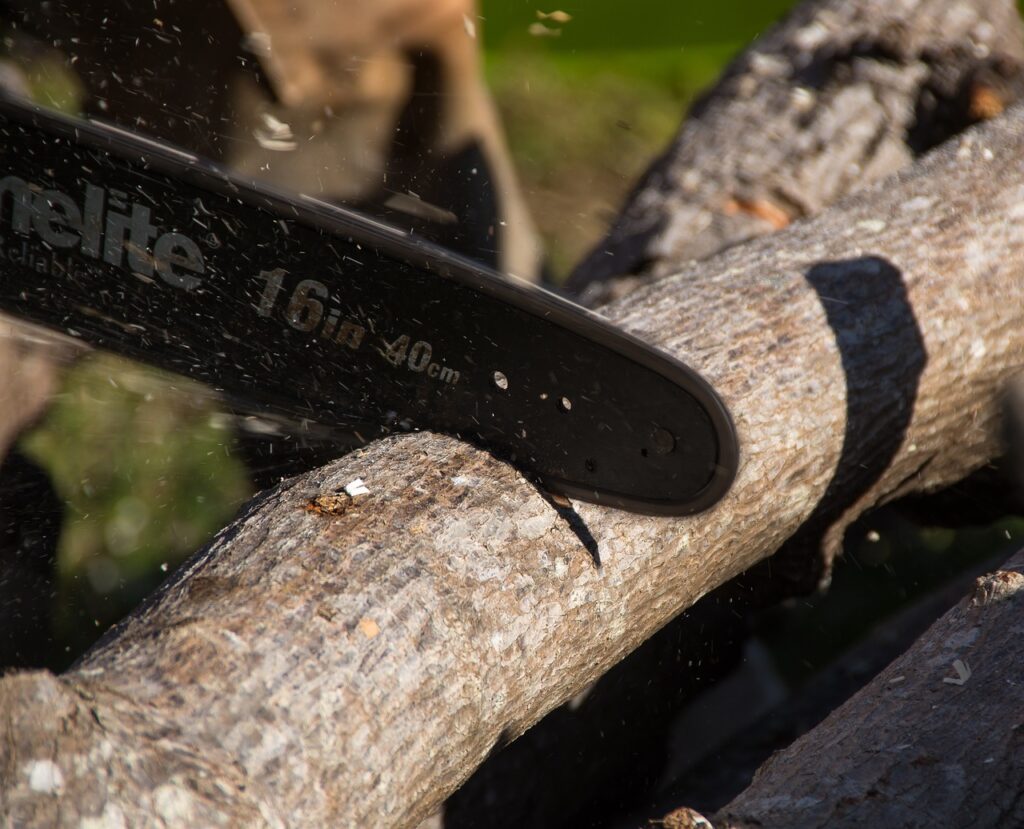
One bad concrete cut and the slab cracks all the way to the next expansion joint, taking your project budget with it. Concrete saw cutting looks simple from the rental counter — pick up a saw, drop a blade, push it through. The reality involves dust control that protects your lungs, depth settings that prevent kickback, and a wet-cut technique that doubles blade life. This guide walks through the tool choices, the blade types, and the actual cutting technique that pros use to make clean, controlled cuts in slabs, footings, and walls.
Wet Cut vs Dry Cut
The first decision is whether to wet-cut or dry-cut. Both work; the differences matter.
- Wet cutting sprays water onto the blade and kerf during the cut. The water cools the blade, suppresses silica dust, flushes the cut clean, and dramatically extends blade life. The downside is mess — slurry runs everywhere and you need a power source for the water pump or a hose connection.
- Dry cutting uses no water but requires a HEPA vacuum dust shroud (Bosch CCG-WS or Dustless Dust Bubble) and an N95 mask minimum. Faster setup, but blades wear faster and the silica dust risk is significant.
OSHA’s 2017 silica rule (29 CFR 1926.1153) requires either wet cutting or vacuum dust extraction on professional jobs. Homeowners get the same lung protection by following the same standard.
Saw Types
Three saw categories cover most residential concrete work:
Walk-Behind Saw
For slab cuts, sidewalks, driveways, and saw-cut control joints. Engine-powered (gas or electric), 14-20 inch blade, depth typically 6 inches. Rental: $150-$220 per day at Home Depot or United Rentals. Brands: Husqvarna FS400, Stihl GS-461, MK Diamond CX-3.
Hand-Held Concrete Saw
The “demo saw” — gas-powered (Stihl TS420, Husqvarna K970) or electric (Hilti DSH 600-X). 12-14 inch blade, depth around 5 inches. Best for vertical cuts in walls, partial cuts in slabs, and tight spaces. Rental: $80-$120 per day.
Circular Saw with Diamond Blade
A regular 7-1/4-inch corded circular saw with a continuous-rim or segmented diamond blade can cut up to 2.5 inches deep. Cheap, accessible, and adequate for thin slabs, pavers, and patio stones. Won’t handle full-depth slab cuts.
Diamond Blades: Choosing the Right One
Concrete blades are diamond-impregnated. Three blade types match three jobs:
- Segmented rim: separated diamond segments around the edge with gullets between. Aggressive cuts, less likely to bind. Best for green concrete, asphalt, and dry cutting where heat dissipation matters. $30-$80 for a 7-inch.
- Turbo rim: serrated continuous rim. Faster than continuous, smoother than segmented. Versatile for general concrete and masonry. $40-$100.
- Continuous rim: smooth, unbroken edge. Slowest cut, cleanest finish. Used wet only — for tile, porcelain, and finished cuts where chip-out matters.
Match blade hardness to material hardness inversely: hard concrete needs a soft-bond blade (matrix wears faster, exposes new diamonds), soft concrete needs a hard-bond blade (matrix lasts longer). Bond mismatch is the most common reason a blade glazes over and stops cutting.
Depth Control
Cut depth is a safety issue, not just a quality issue. Two rules:
- For full-depth slab cuts (saw-cut control joints in fresh concrete), cut depth = 1/4 of slab thickness. A 4-inch slab needs a 1-inch saw cut to crack reliably along the joint.
- For removal cuts through a slab, set depth to 80-90 percent of slab thickness. Leave the bottom 1/2 inch uncut and break it with a sledgehammer along the line. Going to full depth risks hitting rebar, conduit, or the subbase.
Multiple shallow passes beat a single deep pass every time. Set the saw to 1.5 inches deep, run the cut, then increase to 3 inches and run again. Longer total time, far less stress on the blade and operator.
Dust Control Is Non-Negotiable
Cutting concrete releases respirable crystalline silica — the dust that causes silicosis. A single afternoon of dry cutting without protection can deposit enough silica in the lungs to cause permanent damage. Two acceptable approaches:
- Wet cutting with continuous water flow at the blade. Use a 5-gallon pressure tank (Dewalt DXCM251 or Husqvarna 543) or hose connection.
- Dry cutting with HEPA vacuum extraction using a saw shroud connected to a HEPA-rated dust extractor like the Festool CT 36 AC HD or Bosch VAC140A.
Even with wet cutting, wear an N95 respirator. Wet slurry dries on equipment and aerosolizes when disturbed.
Marking the Cut
Snap a chalk line for straight cuts. For wet cuts, use lumber crayon or a paint marker — chalk washes off the moment the spray hits. For long cuts, screw a 2×4 to the slab as a saw guide. The fence keeps the saw from wandering off line over a 10-foot run, which is harder to do freehand than people expect.
Saw-Cut Control Joints in Fresh Concrete
Control joints prevent random cracking by giving the slab a planned weak point. Timing matters:
- Conventional cutting: 6-12 hours after pour, before the slab fully cures
- Soff-Cut early entry: 1-4 hours after pour with a specialized lightweight saw
Joint spacing rule: 24-30 times slab thickness in feet. A 4-inch driveway needs joints every 8-10 feet. Joint depth: 1/4 of slab thickness. Skip control joints and the slab cracks where it wants — usually right across the most visible spot.
Cutting Technique
The cut itself follows a consistent rhythm:
- Position the saw on the cut line with the blade clear of concrete
- Start the saw and let the blade come to full speed
- Lower the blade slowly into the kerf — let the saw cut, don’t force it
- Walk forward at a steady pace (about 1 foot per 5-10 seconds for a deep cut)
- If the blade slows or smokes, ease back the feed rate
- At the end of the cut, lift the blade fully clear before letting off the throttle
Forcing the saw glazes the blade and burns the bond. Let the diamonds do the work. A properly bonded blade cutting fresh concrete should produce a fine slurry, not chunks.
Hidden Hazards
Three things can ruin a cut and the saw with it:
- Rebar: diamond blades cut through rebar but slow dramatically and dull fast. Use a rebar-rated blade if you know rebar is in the cut path.
- Post-tension cables: in slabs poured after 1980, cables under tension can snap when cut. Always scan with a Hilti PS 300 or rent a concrete scanner before cutting unknown structural slabs.
- Buried utilities: conduit, water lines, gas lines, and electrical can run through old slabs. Call 811 for buried utilities, scan for in-slab obstructions before cutting.
Kickback and Saw Safety
A concrete saw kicks back when the blade binds in the kerf. Pinching happens when the cut closes on the blade — common on cuts that aren’t supported on both sides. Prevent it by:
- Cutting from one supported edge through to a free edge
- Using a wedge to hold the kerf open on long cuts
- Never lifting the saw while the blade is still spinning in the kerf
- Keeping body and feet clear of the blade plane
PPE Checklist
- N95 respirator minimum, half-face P100 preferred
- Safety glasses or full face shield
- Hearing protection (concrete saws hit 100+ dB)
- Steel-toe boots
- Long sleeves and pants — slurry burns skin
- Cut-resistant or leather gloves
Quick Project Cost
Renting equipment for a typical homeowner job (cutting an opening for a new door in a foundation, or removing a 4×6 section of slab):
- Walk-behind or hand-held saw rental: $80-$220
- Blade purchase: $40-$120
- Dust extractor or water tank: $50-$80 if not bundled with saw
- PPE: $30-$60
Total: $200-$480 for a one-day job. Hiring out the same cut runs $400-$1,200 depending on cut length and access.


