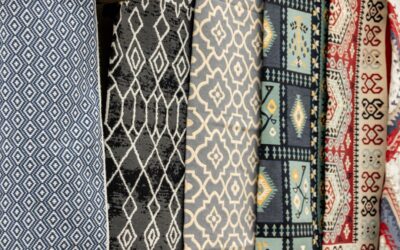
Stairs see ten times the foot traffic of an average bedroom, which is why the wrong choice here unravels in two years instead of ten. Picking the right staircase carpet comes down to fiber density, pile height, and a tight installation that hugs every nose and riser. Get those three right and you end up with stairs that quiet the house, soften falls, and shrug off pets, kids, and luggage. Get them wrong and you face buckling, bald patches, and a re-stretch bill before the warranty paperwork is even filed.
Part of our Stairs & Stair Flooring guide — explore the full guide →
Why Stair Carpet Is a Different Animal
A stair tread bends carpet around a 90-degree edge dozens of times a day. That nose absorbs more wear in a month than a hallway sees in a year. Wool blends and tightly twisted nylon hold up; cheap polyester with a 1/2-inch shag will mat down inside six months.
Sound is the second factor people underestimate. A bare wood staircase amplifies every footstep into the rooms below. A cut-pile carpet with a 7-pound rebond pad can drop perceived noise by roughly 30 percent, which makes a real difference if your bedroom sits over the entry hall.
Best Fiber Choices for Stairs
Nylon is the workhorse. Solution-dyed nylon (look for Stainmaster PetProtect or Mohawk SmartStrand) resists crushing and cleans up with hot water extraction. Expect to pay $4 to $7 per square foot for the carpet alone.
Wool is the premium pick. Hand-loomed wool runners from brands like Stanton or Couristan run $12 to $25 per square foot but last 25 years and look better as they age. Polyester (PET) is the value option at $2 to $4 per square foot, but only choose it for low-traffic guest stairs.
- Nylon: best all-around durability, holds dye well, easy to clean
- Wool: longest lifespan, naturally flame-resistant, premium feel
- Polypropylene/olefin: avoid on stairs; crushes quickly under repeated bending
- Triexta (SmartStrand): excellent stain resistance, good for households with pets
Pile Height, Twist, and Density
For stairs, aim for a pile height of 1/4 to 1/2 inch and a face weight between 40 and 60 ounces per square yard. Anything plusher mashes flat on the stair nose and looks tired within a year. Twist level matters even more than face weight; ask for a twist of at least 5.0, which is the threshold for a “heavy traffic” rating.
Density should sit at 2,000 or higher. The fiber tip test works: press your thumb into the sample. If you feel the backing easily, the carpet is too sparse for stair duty.
Runner vs. Full Coverage
A runner exposes 4 to 6 inches of stained wood on each side and shows off a stair tread you spent money refinishing. Runners look traditional, are easier to replace, and cost less material. Full coverage wraps the entire tread and riser, hides ugly construction-grade pine, and feels softer underfoot.
Pick a runner if your stairs are oak, maple, or cherry and you want them visible. Pick full coverage if the stairs are unfinished pine, MDF, or you have noisy upstairs bedrooms. Standard runner widths are 27 inches and 32 inches; measure the tread width and subtract 8 to 12 inches to get your runner size.
Padding: Don’t Skip the Right Cushion
Stair padding has a lower thickness limit than floor padding. Use a 7- or 8-pound rebond pad no thicker than 7/16 inch. Thicker pad allows the carpet to flex and wear out at the nose far faster. Memory foam pads are tempting but too soft for stairs; they crush and create a tripping hazard.
Budget about $0.60 to $1.20 per square foot for quality stair padding. Skipping pad entirely, which some flippers do to save $40, ruins the carpet and the experience underfoot.
Installation Methods and What to Pay
There are two real installation styles. Waterfall is faster, drapes the carpet over each nose without tacking it down underneath, and costs less labor. Hollywood (also called cap-and-band or upholstered) wraps and tacks the carpet tight against each nose, looks crisper, and lasts longer.
- Hollywood install on a 13-step staircase: $400 to $700 in labor
- Waterfall install on the same staircase: $250 to $450 in labor
- Add $50 to $150 for landings or pie-shaped winder steps
- Stair-only minimums often start at $500 because of setup time
Safety Considerations
A loose stair carpet is the most common cause of indoor falls in homes with seniors. Make sure the installer uses a knee kicker on every tread and that the pad does not extend past the nose. Tackless strips should be nailed about 1/2 inch back from each edge.
For homes with elderly residents, choose a low pile (1/4 inch or less) and a contrasting nose color so each step is visually defined. Stair nosings or anti-slip strips can be added on top for an extra grip layer.
Cleaning and Maintenance
Vacuum stairs weekly using a handheld with a beater brush, focusing on the noses where dust embeds first. For nylon and triexta, a deep clean every 12 to 18 months with hot water extraction keeps the warranty valid and pulls out the grit that wears fibers from the inside out.
Treat spills inside 30 minutes. Blot, never rub, with a clean white towel and a 1:1 mix of white vinegar and warm water. For pet accidents, an enzyme cleaner like Nature’s Miracle or Rocco and Roxie is non-negotiable; standard carpet shampoos leave residue that pets re-mark.
Common Mistakes to Avoid
Buying remnant carpet that doesn’t match a future hallway replacement is a classic regret; order enough for both at the same time so dye lots match. Choosing a busy pattern that hides dirt is fine, but extreme patterns make stairs look visually choppy and shorter.
Finally, skip Berber loop carpet on stairs with pets. A single snagged claw can run a line all the way down 14 steps. Stick with a tight cut-pile or a low-loop level loop with a high-density backing for any home that has dogs or cats.