
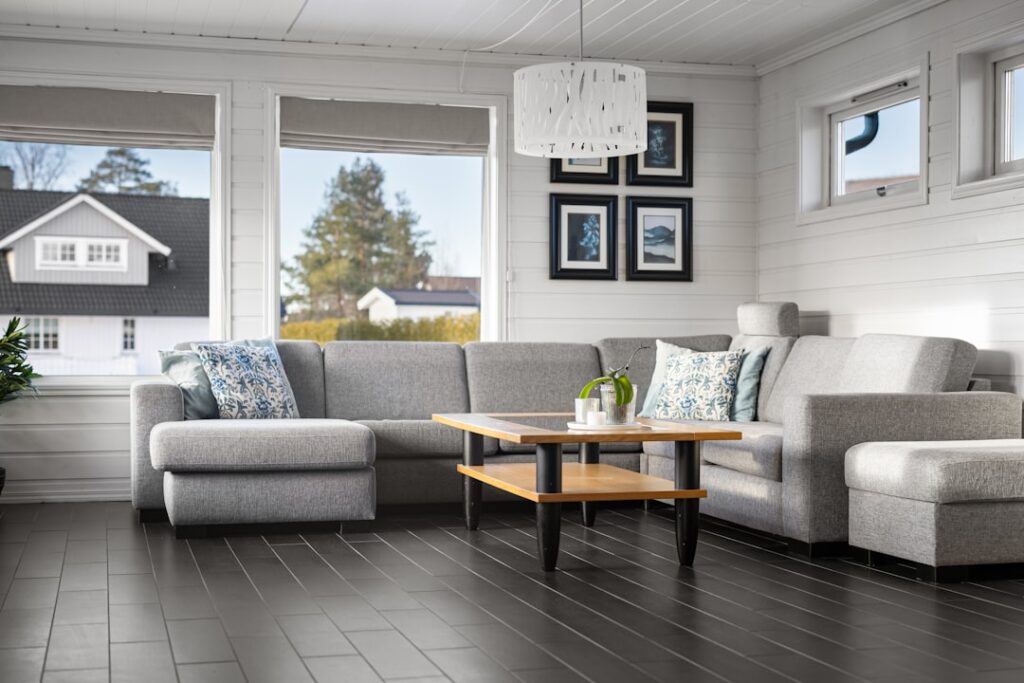
Walk into any flooring showroom and you will see a cluster of mid-priced LVP boxes that all look interchangeable. Star vinyl flooring sits in that crowded middle tier, but the spec sheets actually tell a more nuanced story than the marketing photos. After installing similar value-tier vinyl in three rentals last spring, I learned which numbers matter and which ones are pure showroom theater. This guide cuts through the brochure language so you can decide whether Star-branded vinyl is the right fit for your kitchen, basement, or full main floor remodel.
What the Product Actually Is
Star is one of several private-label and regional vinyl plank lines sold through independent flooring retailers and online distributors. The product is rigid-core LVP, typically 5mm to 6.5mm thick, with a printed wood-look wear layer ranging from 12 mil on the budget SKUs up to 22 mil on the premium boxes. Most planks ship at 7 inches wide and 48 inches long, which fits standard 22-foot living room runs without weird offcuts.
You will see two main constructions: SPC (stone-polymer composite) for high-traffic areas and WPC (wood-polymer composite) for sound dampening over plywood subfloors. Both lock together with Uniclic-style angle-tap edges. The attached underlayment on most lines is 1mm IXPE foam, which is fine over concrete but does not replace a proper moisture barrier in below-grade installs.
Pricing Per Square Foot
Expect a working budget of $1.79 to $3.49 per sq ft for the planks themselves. The 12-mil entry tier lands around $1.89 in 23-square-foot boxes, while the 20-mil and 22-mil commercial-rated SKUs run closer to $3.29. Add roughly $0.60 per sq ft for transitions, T-moldings, quarter round, and a moisture-rated underlayment if the factory pad is too thin for your application.
Pro installation in most US markets sits between $2.50 and $4.00 per sq ft including basic floor prep. A 600 sq ft living and dining combo therefore lands in a $2,800 to $4,500 all-in range. Get itemized quotes — some installers fold subfloor leveling into a flat rate, others bill compound and labor separately at $1.10 per sq ft.
The Pros: Where Star-Tier Vinyl Wins
- Waterproof core: SPC planks shrug off the spilled-mop, leaky-dishwasher events that destroy laminate within hours.
- DIY-friendly: A confident weekend warrior with a tapping block, pull bar, and miter saw can lay 400 sq ft in two days.
- Pet and kid tolerance: 20-mil wear layers handle dog claws, dropped Hot Wheels, and dragged dining chairs without telegraphing scratches.
- Forgiving subfloor tolerance: Rigid SPC bridges minor dips up to 3/16 inch over 10 feet, which is generous for older homes.
- Realistic visuals: The mid and upper SKUs use embossed-in-register texture that lines up the grain with the print, so it does not look plastic in raked sunlight.
The Cons You Should Know About
No flooring is perfect, and budget-to-mid vinyl has predictable weak points. Direct UV exposure through south-facing patio doors will fade the print on 12-mil wear layers within four to six summers. The locking edges on the cheapest tier chip if you over-tap with a rubber mallet, so a fiber tapping block is mandatory. Heat-sensitive adhesives in the underlayment can soften above 140°F — keep planks at least three inches from baseboard heaters and avoid solar-heated sunrooms with no HVAC.
Resale value is another honest tradeoff. Real estate appraisers in most US metros bump a home for hardwood but not for vinyl, regardless of brand tier. If you plan to list within two years, weigh that against the 50% to 60% material savings.
How to Vet a Star Vinyl Box Before You Buy
- Check the wear layer in mils — under 12 mil is bedroom-only; 20 mil and up handles full kitchens and entryways.
- Confirm the warranty class. Residential lifetime usually means 25 years prorated; commercial light is 5 to 10 years.
- Open one plank in the store and bend the corner. SPC should feel rigid; cheap WPC will flex visibly.
- Look for FloorScore or GreenGuard Gold certification on the box if anyone in the home has asthma or chemical sensitivity.
- Order a single box first and lay six planks dry on your worst-lit hallway before committing to the whole order.
Installation Tips From the Field
Acclimate the boxes flat-stacked for 48 hours in the room where they will install — not the garage. Vinyl moves with temperature, and skipping this step is the number-one cause of summer buckling. Leave a 5/16-inch expansion gap at every wall, pipe penetration, and door jamb. On runs longer than 30 feet, plan a T-molding break, because even rigid-core vinyl needs somewhere to breathe across distance.
Use a Bosch GLM 50 or any laser distance tool to dry-lay your starting row — staggered seams should never sit closer than 8 inches between adjacent rows. Cut planks face-up with a sharp utility knife and a metal straight edge for clean factory-quality edges that disappear into the click joint.
Care and Long-Term Maintenance
Sweep or vacuum (hard-floor setting, no beater bar) twice a week. Damp-mop with a pH-neutral cleaner like Bona Pro Series for Stone, Tile, and Laminate at $24.99 per gallon. Skip steam mops entirely — the heat and moisture combination delaminates the wear layer over time. Felt pads under every chair and table leg eliminate 90% of the indent and scratch service calls I see on three-year-old vinyl.
Is Star Vinyl Flooring Right for You?
If you want a waterproof, kid-and-dog tolerant floor for under $3 per sq ft installed and you are not selling within 24 months, the answer is usually yes. Pick the 20-mil or 22-mil tier for kitchens, mudrooms, and any room with direct outside access. Drop to 12 mil only in low-traffic guest bedrooms or closets. Star vinyl flooring delivers genuine value when you match the wear layer to the room, prep the subfloor honestly, and do not skip the moisture barrier in basements.
Prefer to explore on your own?
See how new flooring looks in your actual room in seconds — free, no signup.
Try the free Floor Studio →

