A good steam cleaner sanitizes floors, blasts grout grime loose, freshens upholstery, and kills dust mites without a single chemical bottle in sight. A bad one leaks, takes 8 minutes to heat up, and runs out of steam before you finish a hallway. Steam cleaner reviews across the major test sites consistently identify a small handful of standout models, and the price differences between them reflect real performance gaps. Spending $50 vs. $400 isn’t about brand prestige; it’s about boiler size, pressure, and attachment quality.
The Three Main Categories of Steam Cleaner
Steam cleaners split into three product types with very different jobs:
- Steam mops: $40-$200, dedicated to hard floors, lightweight stick design
- Handheld steamers: $30-$100, small, used for tile, grout, ovens, and upholstery
- Cylinder/canister steamers: $150-$500+, full-feature whole-home cleaning, multiple attachments
Most households benefit from owning two: a steam mop for daily floor cleaning and a canister or handheld for periodic deep cleaning of grout, bathrooms, and upholstery. Trying to use a steam mop for everything fails on detail work; trying to use a canister for daily floor mopping is overkill.
Best Steam Mops
The steam mop category has matured around a few standout models:
- Bissell PowerFresh 1940: $90, 30-second heat-up, three steam levels, removable washable pads
- Shark Steam Pocket S3501: $80, double-sided pad, 25-second heat-up
- Bissell SpinWave + Steam: $200, combines spinning mop pads with steam, best for sticky kitchen floors
- Dupray Neat: $190, technically a canister but excellent on hard floors with the floor head attachment
- O-Cedar Microfiber Steam Mop: $50, budget pick, simple and effective
For daily kitchen and bath cleaning, the Bissell PowerFresh 1940 is the consistent recommendation across consumer testing sites. The three steam levels let you use light steam on hardwood and heavy steam on tile and grout without changing tools.
Best Handheld Steamers
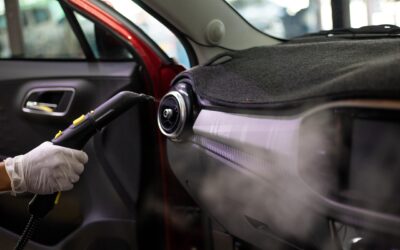
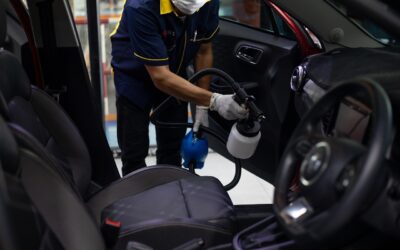
Handheld steamers excel at the detail work no full-size cleaner reaches: oven racks, refrigerator gaskets, bathroom faucets, shower doors, and car interiors. Top picks:
- Bissell Steam Shot 39N7A: $40, 7 attachments, instant heat, the best value
- McCulloch MC1275: $130, longer hose, 18 attachments, professional-grade
- Wagner On-Demand: $90, 90-minute runtime per fill, useful for big jobs
- SteamFast SF-226: $70, lightweight, good attachment selection
The Bissell Steam Shot at $40 is the gateway product for most households. It heats in under a minute, runs about 8-10 minutes per fill, and includes brushes, a squeegee, and a fabric attachment that handle 90% of household tasks.
Best Canister Steam Cleaners
For homes with tile floors, lots of grout, multiple bathrooms, or pets, a full canister steamer earns its $200-$500 price tag. The bigger boiler means more steam pressure (often 50-70 PSI vs. the 15-30 PSI of mops) and longer continuous runtime (45-90 minutes per fill).
- Dupray Neat: $190, 50-minute runtime, lifetime warranty on boiler, the value champion
- McCulloch MC1385: $200, 18 accessories, good for whole-home cleaning
- Bissell Big Green BG10: $220, deep cleaning + steam, large tank for big jobs
- Vapamore MR-100 Primo: $300, made in USA, lifetime warranty, professional grade
- Ladybug XLS 2300: $1,200+, medical-grade, very high pressure, niche/professional
The Dupray Neat is the consistent top recommendation for homeowner canister steamers. The lifetime boiler warranty alone justifies the price; cheaper steamers fail at the boiler within 2-3 years and the entire unit is unrepairable.
What the Specs Actually Mean
Manufacturers throw around terms like “200°F superheated steam” and “300 PSI pressure” that mostly serve marketing. The numbers that actually matter:
- Heat-up time: Under 30 seconds is excellent; over 5 minutes is deal-breaking
- Continuous runtime per fill: 30 minutes minimum for whole-room jobs
- Boiler temperature: 200°F+ kills 99% of bacteria and dust mites
- Steam pressure: 30-50 PSI for good cleaning, 60+ PSI for grout and grease
- Tank capacity: 1.5-2 quarts is the sweet spot for canisters
Cordless steam mops are a temptation but rarely work as advertised. Battery models can’t sustain the heat and steam volume of corded units, and most run only 12-18 minutes per charge. Stick with corded for any serious cleaning.
What Steam Cleaners Can and Can’t Clean
Steam cleaners excel at hard surfaces and most fabrics. Safe surfaces include sealed hardwood (use lightest steam setting), tile, grout, sealed stone, glass, mirrors, sealed laminate, vinyl, ceramic, refrigerator interiors, oven racks, microwave interiors, BBQ grates, upholstery (most), curtains, mattresses, and car interiors.
Avoid using steam on unsealed wood, unsealed cork, paper-faced drywall, painted surfaces (steam can soften paint), waxed floors, lacquered furniture, plush velvet, silk, and electronics. Always test in an inconspicuous spot first, especially on upholstery where some dyes bleed under heat and moisture.
Maintenance Keeps Steam Cleaners Working
Steam cleaners die from one of two things: mineral buildup in the boiler or worn out gaskets. Both are preventable.
Use distilled water, not tap. Tap water leaves calcium carbonate scale inside the boiler that eventually clogs the steam outlet and burns out the heating element. A gallon of distilled water costs $1-$2 at any grocery store and one gallon lasts 3-5 mop sessions. Skip this step and even a $400 Dupray will fail in 18 months.
Empty the tank after every use. Standing water grows biofilm and corrodes seals. Replace mop pads every 50-75 uses; saturated, threadbare pads spread dirt rather than clean. Most quality models offer replacement gasket kits and pads at reasonable prices, which is part of why brand selection matters.
Frequently Asked Questions
What is the best steam cleaner overall?
The Dupray Neat ranks at the top of most consumer testing sites for whole-home cleaning. The Bissell PowerFresh 1940 leads the dedicated steam mop category for daily floor use.
Do steam cleaners actually sanitize?
Yes. Steam at 200°F or higher kills 99.9% of common bacteria, viruses, and dust mites within seconds of contact. The EPA recognizes properly applied steam as a sanitizing method.
Can steam cleaners damage hardwood floors?
Yes, if used incorrectly. Use only the lightest steam setting on properly sealed hardwood and never let the cleaner sit in one spot. Unsealed or damaged finish floors should not be steam cleaned.
Are expensive steam cleaners worth it?
For households with lots of tile, grout, multiple bathrooms, pets, or kids, yes. The bigger boiler, longer runtime, and better attachments justify the price for regular deep cleaning.
Should I use distilled water in my steam cleaner?
Yes. Tap water leaves mineral scale that clogs the boiler and burns out heating elements. Distilled water at $1-$2 per gallon dramatically extends the life of any steam cleaner.