If you are pricing out a patio, pool deck, or garage overlay, understanding stone carpet flooring prices up front will save you from sticker shock and lowball bids alike. Stone carpet, also sold as epoxy stone or resin-bound stone, is a poured surface that blends natural river pebbles or crushed marble with a clear polymer binder. Installed prices in the United States typically run from $8 to $22 per square foot depending on aggregate, thickness, and whether you hire a pro or do it yourself. This guide breaks down exactly where that money goes, so you can judge a quote line by line rather than guessing.
- What Stone Carpet Flooring Actually Is
- Average Stone Carpet Flooring Prices Per Square Foot
- Material Costs Broken Down
- Labor and Preparation Costs
- DIY Versus Professional Installation
- What Drives Your Final Quote Up or Down
- Long-Term Cost of Ownership
- Regional and Seasonal Price Swings
- Comparing Quotes Without Getting Burned
- Bottom Line on Budgeting
What Stone Carpet Flooring Actually Is
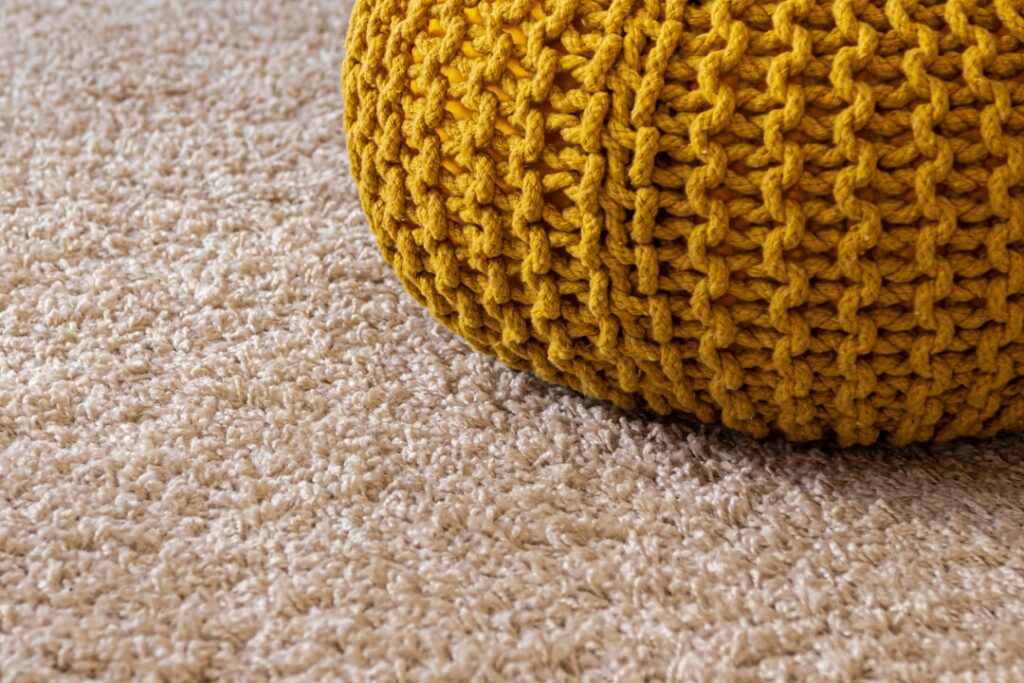
Stone carpet is not carpet in the textile sense. It is a decorative overlay made from washed, kiln-dried stone aggregate mixed with a two-part epoxy or polyaspartic resin, then hand-troweled over a prepared substrate. The result is a seamless, porous, slip-resistant surface that reads like a beach of tiny pebbles frozen in place. Common aggregates include Mediterranean river rock, crushed quartz, and marble chip, sized between 2mm and 8mm.
Because the resin locks each stone individually, the finished floor drains water, resists cracking better than poured concrete, and hides minor substrate imperfections. It is popular on pool surrounds, covered patios, entryways, and interior floors where a natural, textured look is wanted. The porosity that makes it drain also means it needs periodic resealing, which factors into long-term cost.
Average Stone Carpet Flooring Prices Per Square Foot
Installed cost is the number most homeowners care about. Here is a realistic range based on typical U.S. residential projects:
- Basic single-color pebble, pro-installed: $8 to $12 per sq ft
- Premium marble or quartz blend, pro-installed: $13 to $18 per sq ft
- Custom borders, logos, or multi-color patterns: $18 to $22 per sq ft
- DIY kit (materials only): $4 to $8 per sq ft
For a standard 400 sq ft patio, that puts a mid-grade professional installation somewhere between $5,200 and $7,200. A 200 sq ft pool deck section in premium marble might land around $3,000 to $3,600. These figures assume the existing concrete is sound; repair work pushes the total higher.
Material Costs Broken Down
Aggregate and resin are the two big material buckets. The stone itself sells by the bag, generally $30 to $60 for a 50 lb bag, and one bag covers roughly 8 to 10 sq ft at a standard 3/8-inch depth. The resin binder is the pricier component: a professional-grade epoxy or UV-stable polyaspartic kit runs $150 to $300 per two-gallon unit, and each unit binds two to three bags of stone.
Resin type matters
Standard epoxy is the budget choice but ambers and chalks under direct sun, so it belongs indoors or under cover. UV-stable polyaspartic and polyurethane resins cost 20 to 40 percent more but hold their color outdoors for years. If your quote is unusually cheap for an exterior job, ask which resin is being used, because a sun-exposed epoxy floor can yellow within a single summer.
Labor and Preparation Costs
Labor usually accounts for 40 to 55 percent of a professional stone carpet installation. Surface prep is where skilled crews earn their fee. Concrete must be clean, dry, structurally sound, and often diamond-ground or shot-blasted to open the pores so the resin bonds. Expect prep to add $1.50 to $4 per sq ft on its own.
Additional cost drivers include:
- Crack and spall repair: $2 to $6 per linear foot for filling and patching before the overlay goes down.
- Primer coat: a moisture-blocking epoxy primer adds $0.75 to $1.50 per sq ft on slabs prone to vapor.
- Edging and detail work: steps, coves, and transitions are hand-tooled and slow, raising the per-foot rate.
- Topcoat sealer: one or two clear sealing coats protect the surface and add $1 to $2 per sq ft.
DIY Versus Professional Installation
Kits marketed to homeowners can cut the material-plus-labor total roughly in half, landing around $4 to $8 per sq ft. That savings is real, but stone carpet is unforgiving. The resin has a working window of about 20 to 40 minutes at 70°F, and troweling to a consistent thickness across a large area takes practice. Mistakes such as thin spots, trowel lines, or trapped air show permanently.
DIY makes the most sense on small, low-visibility areas like a 100 sq ft entry or a single stair landing. For a large pool deck or a floor that will be judged in good light, professional installation is worth the premium. Pros also warranty their work, typically one to three years against delamination, which a homeowner does not get from a kit.
What Drives Your Final Quote Up or Down
Two homeowners can get very different stone carpet flooring prices for the same square footage. The biggest swing factors are:
- Substrate condition: a fresh, level slab is cheap to cover; a cracked, oil-stained, or sloped one is not.
- Aggregate grade: imported Mediterranean pebble and white marble cost more than domestic tan river rock.
- Thickness: a 1/2-inch buildup uses far more stone and resin than a 1/4-inch layer.
- Access and layout: tight courtyards, second-story decks, and heavy detailing raise labor hours.
- Region: coastal and metro labor rates can run 25 percent above rural markets.
When comparing bids, make sure every contractor is quoting the same thickness and resin type. A $9 per sq ft quote using indoor epoxy at 1/4 inch is not comparable to a $15 quote using UV polyaspartic at 3/8 inch.
Long-Term Cost of Ownership
Stone carpet is durable but not maintenance-free. Plan on resealing every two to four years, which costs $1 to $3 per sq ft or a modest DIY afternoon with a sealer bucket. Skipping resealing lets grit work loose and lets water sit in the pores, which shortens the floor’s life. Properly maintained, a quality stone carpet surface lasts 15 to 25 years, making its higher upfront price competitive with cheaper coatings that need full replacement sooner.
Compared with the alternatives, stone carpet slots between plain stamped concrete, which is cheaper but crack-prone, and natural stone pavers, which cost more and can heave. For a drainable, textured, natural-looking surface, its mid-range pricing is often the sweet spot.
Regional and Seasonal Price Swings
Where and when you install has a real effect on the bottom line. In warm-weather markets like Florida, Arizona, and Southern California, stone carpet is common on pool decks, so there is a deep bench of experienced installers and competitive pricing. In colder or rural regions, fewer crews specialize in resin overlays, and the ones that do often charge a premium simply because demand is thin and travel is longer.
Season matters too. Resin cures within a specific temperature band, generally between 50°F and 90°F, and humidity affects working time. Contractors are busiest and priciest in late spring and early summer, when everyone wants their patio ready. Booking a project in early fall, once the rush fades but temperatures still cooperate, can shave 5 to 10 percent off a bid and get you a crew that is not rushing between jobs.
Comparing Quotes Without Getting Burned
The cheapest bid is rarely the best value in resin work. To compare fairly, put every contractor on equal footing and ask each one to specify the same set of details:
- Aggregate type and size, since imported marble costs far more than domestic river rock.
- Finished thickness, because a 1/4-inch layer uses roughly half the material of a 1/2-inch one.
- Resin chemistry, confirming UV-stable polyaspartic or polyurethane for any sun-exposed surface.
- Number of sealer coats included in the base price versus billed as an add-on.
- Warranty length and what it covers, especially delamination and color fade.
When one bid is dramatically lower, it usually means thinner material, cheaper indoor-grade epoxy, or skipped surface prep. Those shortcuts do not show on day one; they show a year later as yellowing, loose stones, or a floor that lifts at the edges. A mid-priced bid that spells out quality materials almost always costs less over the life of the floor.
Bottom Line on Budgeting
Set your expectations around $8 to $18 per sq ft installed for most residential stone carpet work, with premium and custom jobs reaching into the low $20s. Get at least three itemized bids, confirm resin type and thickness, and budget separately for substrate repair if your concrete has seen better days. Understanding the components behind stone carpet flooring prices turns a confusing quote into a decision you can make with confidence.