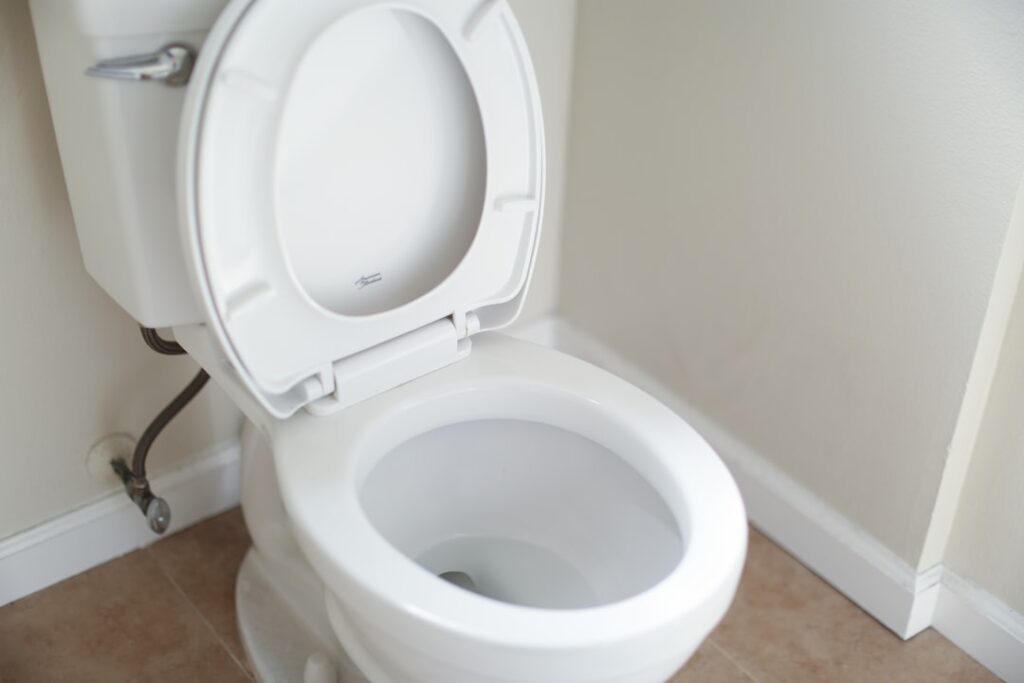
Replacing a toilet is one of the most common bathroom projects, and one where the quotes vary wildly enough to make homeowners suspicious. The truth is that toilet installation cost depends on a short list of factors — labor, the toilet itself, and whether anything unexpected turns up when the old one comes off the floor. Understanding those pieces lets you budget accurately and spot when a quote is fair versus padded. Here’s the complete breakdown with real numbers.
Part of our Bathroom Remodeling & Flooring guide — explore the full guide →
The Quick Answer
For a straightforward swap — removing an old toilet and installing a new one in the same spot with existing plumbing — expect to pay $150 to $400 in labor to a plumber or handyman, plus the price of the toilet itself. A new toilet runs anywhere from $100 for a basic builder-grade model to $1,000+ for a premium or smart toilet. All in, most standard toilet replacements land between $300 and $800.
That’s the honest average. The rest of this guide explains what pushes you toward the low end versus the high end, so you know which bucket your job falls in.
Labor Cost Breakdown
Labor is the variable most people want pinned down. It depends on who does the work and how long it takes:
- Handyman: $100 to $250 for a basic swap. Fine for a simple like-for-like replacement.
- Licensed plumber: $150 to $400, often billed at $75 to $150 per hour with a job taking 1 to 3 hours. Worth it when there’s any plumbing uncertainty.
- Old toilet disposal/haul-away: $30 to $75 if not included.
A clean install with good access takes a competent installer about 1 to 2 hours. Tight spaces, stubborn old bolts, or a toilet that fights coming off the flange add time and cost.
The Cost of the Toilet Itself
The fixture is the other half of the budget, and the range is enormous:
- Basic two-piece ($100–$250): builder-grade round-bowl models from brands like American Standard and Glacier Bay. Perfectly functional.
- Mid-range ($250–$500): elongated bowls, better flushing (like Toto’s or Kohler’s efficient designs), comfort-height (17–19 inch) seating, dual-flush options.
- High-end ($500–$1,000): premium one-piece designs, skirted trapways for easy cleaning, top-tier flush performance.
- Smart/bidet toilets ($1,000–$4,000+): heated seats, integrated bidets, auto-open lids, self-cleaning. These usually require a nearby GFCI electrical outlet, which adds cost if one isn’t present.
Materials Beyond the Toilet
A proper installation includes small parts that a good installer folds into the price, but you should know they exist:
- Wax ring or wax-free seal: $2 to $15. Always replaced — never reuse the old one.
- New closet bolts and caps: a few dollars.
- Water supply line (braided steel): $8 to $15.
- Shutoff valve replacement: $10 to $25 in parts if the old valve is corroded or won’t seal.
- New wax ring, bolts, and supply line together typically run $20 to $50.
What Drives the Cost Up
The difference between a $300 job and a $1,200 job is almost always what’s discovered once the old toilet is removed. Watch for these cost-adders:
- Damaged or rotted flange: the plastic or metal ring the toilet bolts to. A broken flange requires a repair or replacement, adding $75 to $300.
- Rotted subfloor: years of a slow leak can rot the plywood under the toilet. Repairing subfloor and flooring can add $200 to $1,000+.
- Corroded shutoff valve: a valve that won’t turn off or leaks needs replacing, adding $50 to $150.
- Relocating the toilet: moving the drain even a few inches means opening the floor and rerouting the waste line — a major job that can add $500 to $3,000.
- Upgrading to a smart toilet: running a new GFCI outlet by an electrician adds $150 to $350.
- Flooring around the base: if new tile or flooring is going in, the toilet may need to be reset after, adding a second labor visit.
DIY vs. Hiring a Pro
A basic toilet swap is one of the more approachable plumbing DIY jobs — no soldering, no permits for a simple like-for-like replacement in most areas. If you’re handy, you can do it for the cost of the toilet plus $20 to $50 in a wax ring, bolts, and supply line, saving the $150 to $400 labor. Budget a Saturday morning, and be ready to shut off the water, remove the old unit, scrape the old wax, set the new toilet level on a fresh wax ring, and check for leaks over a few flushes.
Hire a pro when the flange looks damaged, the floor feels soft (rot), the shutoff valve is corroded, you’re installing a heavy one-piece or smart toilet solo, or you simply want a warranty on the labor. Any job that turns into subfloor repair or drain relocation is firmly professional territory.
Sample Budgets
Budget replacement (DIY)
Basic $150 toilet + $40 in parts = about $190, your labor free.
Standard professional swap
$300 mid-range toilet + $250 labor + $40 parts = about $590.
Upgrade with complications
$500 toilet + $300 labor + $150 flange repair + $75 valve = about $1,025.
Smart toilet installation
$1,500 smart toilet + $300 labor + $250 for a new GFCI outlet = about $2,050.
Regional and Timing Factors
Where you live moves the labor number meaningfully. In high-cost metro areas — coastal California, New York, Boston, Seattle — plumber rates run $125 to $200 per hour, pushing a basic install toward the $350 to $500 range in labor alone. In the South and Midwest, the same job often lands at $150 to $250. Rural areas can go either way: lower base rates, but a travel or trip charge if the plumber has to drive a distance.
Timing matters too. An emergency or weekend call carries a premium, sometimes 1.5 times the normal rate, so a non-urgent toilet swap is worth scheduling during regular hours. If you’re already having a plumber out for other work, adding the toilet to that same visit spreads the service-call fee and often shaves the effective cost.
What’s Included in a Fair Quote
Before you accept a bid, make sure it spells out the scope so you’re comparing apples to apples. A complete quote should cover:
- Removal and haul-away of the old toilet.
- A new wax ring (or wax-free seal), closet bolts, and a new braided supply line.
- Setting and leveling the new toilet and testing for leaks.
- Basic cleanup.
Ask specifically what happens if the flange is cracked, the shutoff valve won’t seal, or the floor is soft — and get those contingency prices in writing. A vague “we’ll see when we get there” is how a $300 job quietly becomes $900. A reputable installer will happily quote the common add-ons up front.
How to Save Without Cutting Corners
- Buy the toilet yourself from a home center rather than through the plumber’s markup, but confirm they’ll install a homeowner-supplied unit.
- Bundle the job with other plumbing work to spread the service-call fee.
- Choose a quality mid-range toilet with a strong flush (a WaterSense-labeled model saves water long-term) rather than the cheapest builder unit that clogs.
- Get two or three quotes and ask specifically what happens — and what it costs — if the flange or subfloor is damaged.
Bottom Line
For most homeowners, toilet installation cost lands between $300 and $800 for a standard professional replacement, or under $200 as a confident DIY project. The number climbs only when the floor opens up on a damaged flange, rotted subfloor, or a bad valve — so the smartest thing you can do is budget a cushion for surprises and ask any installer, up front, how they price the common complications. Go in knowing the labor range, the fixture tiers, and the cost-adders, and no quote will catch you off guard.