Most people pick a stone fireplace surround by color and texture, then discover halfway through the project that the stone they loved weighs 50 pounds per square foot and the wall behind it was never built to carry that. Real stone is heavy, permanent and expensive to undo, so the smart order is weight first, clearance second, looks third. Get those three right and the stone around the fireplace will outlast the house.
In practical terms, you have four real-stone families to choose from: irregular fieldstone, flat flagstone, cut slab panels, and the large boulder face you see on lodge-style chimneys. Each one carries a different weight load, a different install method and a very different labor bill. Expect installed costs anywhere from roughly $30 to well over $100 per square foot depending on the stone, the height of the wall and how much custom cutting the mason does.
The surround also lives next to a firebox, which means heat, sparks and combustion gases. Noncombustible stone is a good neighbor for a fire, but the framing, mantel and trim around it still need proper gaps. Plan those details before the first stone goes up.
Choosing a Stone Fireplace Surround: The Four Main Options
A stone fireplace surround can mean anything from a thin band of slab around the opening to a floor-to-ceiling rock facade fireplace that dominates the room. The type of stone you choose shapes everything that follows, so compare the families side by side before you shop for color.
| Stone type | Typical weight | Look | Relative cost |
|---|---|---|---|
| Fieldstone (full bed) | 40 to 60 lb per sq ft | Rounded, rustic, irregular | Moderate to high |
| Flagstone | 15 to 25 lb per sq ft | Flat, layered, earthy | Moderate |
| Cut slab (marble, granite, limestone) | 12 to 20 lb per sq ft | Clean, formal, minimal joints | Moderate to very high |
| Large boulder face | 60 lb per sq ft and up | Massive, lodge style | Highest |
Fieldstone
Fieldstone is the classic big stone fireplace look: rounded, multicolored rocks set in deep mortar joints. Full-bed fieldstone is usually 4 to 6 inches thick, so it needs a footing or a reinforced ledge to sit on. Thin-cut fieldstone veneer, sawn to about 1 to 1.5 inches, gives the same face at a fraction of the weight and can often go on a properly prepared wall without a new footing.
Flagstone
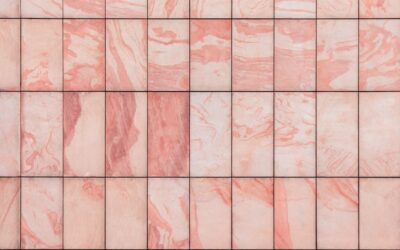
Flagstone, including many sandstone fireplace surround designs, is split along natural layers into flat pieces. Laid in a stacked or random-ashlar pattern, it reads horizontal and calm. Sandstone is softer and more porous than granite, so it can absorb soot near the opening. A penetrating sealer helps, and some owners keep sandstone a few inches back from the firebox edge for that reason.
Cut Slab
Polished or honed slab gives a modern, tailored surround with just a few seams. Slabs are typically 3/4 inch to 1 1/4 inch thick and are set with adhesive mortar and mechanical anchors. The material cost can climb quickly with exotic stone, and fabrication (cutting the opening, mitering edges) adds labor. A grey stone fireplace in honed limestone or soapstone is a popular contemporary choice.
Large Boulder Face
The boulder face is a structural masonry project, not a decorating job. Stones that weigh 100 pounds or more each must bear on a foundation, and the wall often climbs to the ceiling. If you are planning one of these, involve a mason and possibly an engineer from the start.
Weight, Support and Structure
Stone is the heaviest finish you will ever hang on a wall, and the structure must be ready for it. Full-thickness stone generally needs a concrete footing or a steel angle (often called a shelf angle or ledger) anchored into the masonry or framing. Thin veneer under roughly 15 pounds per square foot can usually adhere to a properly prepared substrate without extra bearing, but always check the stone supplier’s limits.
- Over existing brick: Clean, sound brick is one of the best substrates. Scrub off soot and paint, then apply a scratch coat or set stone directly if the brick is porous.
- Over framing: Use cement board or a weather-resistant barrier, metal lath fastened into studs, and a scratch coat of mortar. Never adhere stone directly to drywall.
- Floor load: A full-bed surround on a wood-framed floor may need added joists or blocking. If you see any sag or bounce, stop and get an assessment.
Anchor every ledger, angle and lath fastener into solid framing or masonry, not just sheathing. If the new stone extends up a chimney chase or outdoors, wind and freeze cycles add stress, so local code and permits apply.
Clearance Rules You Cannot Skip
Stone itself does not burn, but it transfers heat, and what sits behind and around it often can. Before choosing stone for an indoor fireplace, read the manual for your firebox or insert. Factory-built (prefabricated) units list exact clearances for combustible framing, mantels and facing material, and those numbers override general guidance.
For masonry fireplaces, many local codes follow a common pattern:
- No combustible material within about 6 inches of the firebox opening.
- Combustible trim or a mantel within 12 inches of the opening may project only a small amount, roughly 1/8 inch for every inch of distance from the opening.
- The hearth extension in front of the firebox must be noncombustible and extend a set distance into the room, usually 16 inches or more, with more required for larger openings.
A stone fireplace mantel avoids the combustible-mantel question entirely, which is one reason stone and sandstone fireplace mantel shelves are popular on tight walls. Wood mantels can still work but must respect the projection rule. Keep wiring for sconces or TV mounts outside the heat zone, use only components rated for the location, and never route cords across the stone face above the opening.
Any working fireplace also needs a carbon monoxide alarm on every level of the home and near sleeping areas, plus an annual chimney inspection. A beautiful surround is no substitute for a sound flue.
Tools and Materials
- Stone (order 10 to 15 percent extra for culls and cuts) plus corner pieces if available
- Type S mortar or a polymer-modified stone veneer mortar rated for the stone weight
- Metal lath, corrosion-resistant fasteners, cement board or a scratch coat
- Steel angle or ledger for full-bed stone
- Wet saw or angle grinder with a diamond blade and water feed
- Mason’s hammer, brick set chisel, trowels, grout bag, jointing tool
- Levels, story pole, mixing paddle and drill
- N95 or P100 respirator, safety glasses, hearing protection, gloves
- HEPA vacuum and drop cloths
Step-by-Step Installation Overview
- Confirm the plan. Measure the wall, note clearances from the firebox manual, and check whether a permit is needed. Call 811 before digging if the project includes a new exterior footing.
- Prepare the substrate. Clean brick thoroughly, or install cement board, lath and a scratch coat on framed walls. Let the scratch coat cure at least a day.
- Set support. Install the steel angle or ledger at the base for heavy stone and confirm it is level and anchored into solid material.
- Dry-lay the stone. Spread stones on the floor in a mock-up the width of the wall. Mix colors and sizes so no cluster of similar stones forms.
- Cut outdoors with water. Cutting stone releases crystalline silica dust. Wet cut outside, wear an N95 or P100 respirator and keep pets and kids away.
- Back-butter and set. Apply mortar to the wall and the back of each stone, press with a slight wiggle until mortar squeezes out, and work from the bottom up, corners first.
- Frame the opening. Use long, straight stones or a single lintel stone over the firebox. Keep joints tight around the opening where heat is highest.
- Grout and tool joints. Fill joints with a grout bag once stones are firm. When the mortar reaches thumbprint hardness, tool joints and brush away crumbs.
- Clean and cure. Clean with a soft brush and water, wait several weeks before sealing, and allow the mortar to cure before your first fire. Follow the mortar maker’s cure time.
Finish with a HEPA vacuum rather than a broom. Dry sweeping stirs up the fine dust that cutting left behind.
Troubleshooting Common Problems
Stones sliding down the wall. The mortar is too wet or the stones are too heavy for the bond. Stiffen the mix, set fewer courses per session and use shims until the mortar grabs.
White haze on the face. That is efflorescence, salts carried out by moisture. Let the wall dry fully, then dry brush it. Persistent haze points to a moisture source that needs attention.
Soot stains above the opening. Porous stone like sandstone absorbs smoke. Check that the damper is fully open and the flue drafts well, then clean with a stone-safe cleaner and reseal.
Cracks along mortar joints. Hairline cracks are common as mortar cures. Wide or growing cracks can signal movement in the floor or wall and deserve a professional look.
What a Stone Surround Costs
Numbers vary widely by region, but general ranges help you plan. Thin natural stone veneer often runs $15 to $35 per square foot for material alone. Full-bed fieldstone and boulder stone cost more and require far more labor. Cut slab ranges from moderate for common granite to very high for rare marble.
Labor typically equals or exceeds material. A simple surround around the opening of an average fireplace might land in the low thousands installed, while a floor-to-ceiling fireplace facade stone wall can reach five figures, especially with a new footing, a hearth and scaffolding. Cultured stone fireplace options cost less and weigh less, which can be a sensible compromise when the wall cannot carry real stone.
When to Call a Pro
A handy homeowner can set thin veneer around a small opening. Call a mason or contractor when the stone is full-bed or boulder, when the wall climbs above reach (scaffolding and heavy stones together raise fall and crush risk), when you need a new footing or floor reinforcement, or when the firebox, flue or gas log set is part of the work. Gas lines and gas appliances are licensed-pro work only. Pull permits where your jurisdiction requires them, and have a certified chimney sweep inspect the system before the first fire.
Frequently Asked Questions
Can I put stone directly over a brick fireplace?
Usually, yes. Clean, structurally sound, unpainted brick makes a solid base. Remove soot and any paint, apply a scratch coat if the brick is very smooth, and confirm the added weight is supported.
How close can a wood mantel be to a stone surround opening?
It depends on your firebox manual and local code. Many codes keep combustibles at least 6 inches from the opening and limit how far trim within 12 inches may project. Factory-built units list their own required distances.
Is real stone better than manufactured stone around a fireplace?
Real stone is more durable and heat tolerant, but it is heavier and costs more. Manufactured veneer is lighter and cheaper and works well when the product is rated for fireplace use and installed per its instructions.
Do I need to seal a stone fireplace surround?
Porous stones like sandstone and limestone benefit from a penetrating sealer that resists soot. Dense granite rarely needs it. Let mortar cure fully first and pick a sealer rated for heat exposure.
How long does stone fireplace installation take?
A small veneer surround can take two or three days including cure time. A full-height fieldstone or boulder wall can take one to two weeks, plus curing before the first fire.