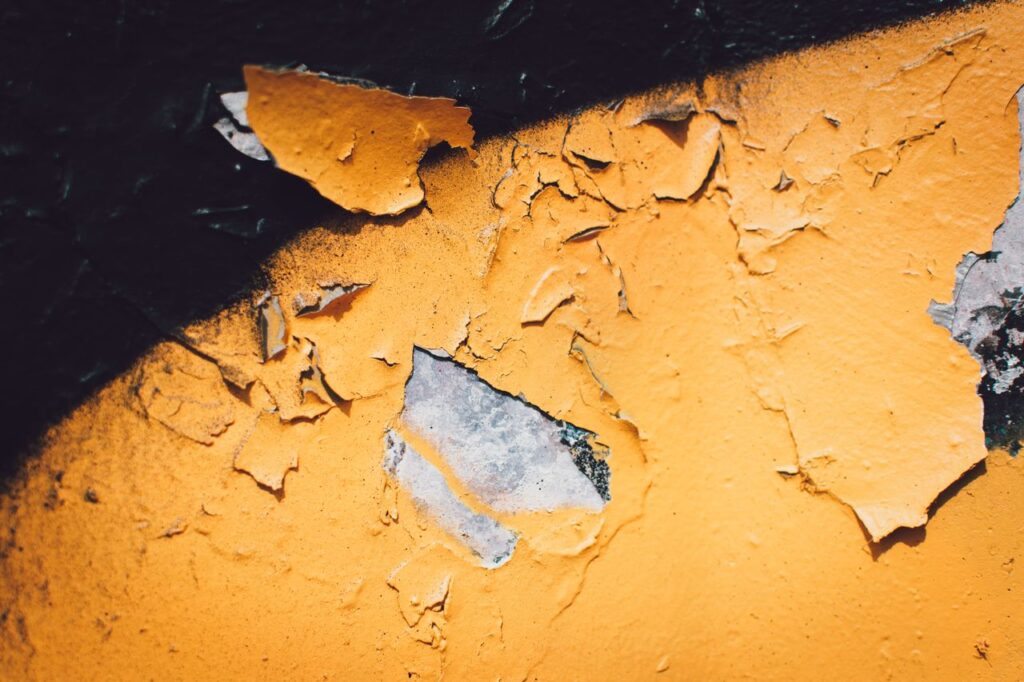
Old paint hides character. Whether it’s eight layers of beige covering a Victorian banister or a sloppy latex coat over century-old oak trim, getting through that paint quickly without destroying the substrate is what separates a successful refinish from a regrettable one. Choosing the strongest paint stripper for your specific project depends on the paint type, the surface underneath, and how much ventilation you can realistically provide. The strongest formulations work in minutes but require respirators and chemical-resistant gloves; gentler options take overnight but you can use them indoors with windows cracked.
Part of our Paint & Walls guide — explore the full guide →
- Understand the Three Main Chemistries
- Top Commercial Strippers Ranked by Strength
- Match the Stripper to the Paint Type
- Apply It Correctly to Maximize Strength
- Plan Your Safety Gear Before You Open the Can
- Scrape, Don't Sand
- Handle Lead Paint Differently
- Finish the Surface Properly After Stripping
- Compare Chemical Stripping to Alternatives
- Calculate the Real Project Budget Upfront
Understand the Three Main Chemistries
All paint strippers fall into one of three categories, and each handles paint chemistry differently:
- Methylene chloride strippers — the historic gold standard, now restricted for consumer use due to fatal vapor exposure risks
- NMP (N-Methyl-2-Pyrrolidone) strippers — slower but still aggressive, requires gloves and ventilation
- Benzyl alcohol and DBE blends — slowest but safest, often labeled “soy-based” or “citrus-based”
For most homeowners, the question isn’t “what’s absolute strongest?” but “what’s strongest within the safety envelope I can manage?”
Top Commercial Strippers Ranked by Strength
From most aggressive to gentlest among products available to consumers:
- Klean-Strip KS-3 Premium — solvent-based, eats through 10+ layers in 15 minutes, about $19 a quart
- Sunnyside Hi-Speed Ready-Strip Pro — fast NMP-based formula, $28 a quart
- Citristrip Paint and Varnish Stripping Gel — citrus-based, slower at 30 minutes to 24 hours but indoor-safe, $14 a quart
- Smart Strip Pro by Dumond — soy-based, professional-grade for lead paint, $36 a quart
- Blue Bear 600GL by Franmar — gentler soy gel, low odor, $42 a gallon
Match the Stripper to the Paint Type
Oil-based alkyd paints respond well to almost any chemical stripper. Modern latex and acrylic paints, particularly the elastomeric kind used on exterior trim since the 1990s, are notably tougher. Two-part epoxies and automotive clear coats laugh at consumer-grade strippers — you need a methylene chloride substitute or aggressive mechanical methods like soda blasting. For polyurethane floor finish, NMP-based formulas work but expect two coats and a 4-hour dwell time.
Apply It Correctly to Maximize Strength
Even the strongest paint stripper underperforms when applied wrong. Slap it on thick — at least 1/8 inch deep on horizontal surfaces, 1/4 inch on verticals where it will slump. Use a cheap natural-bristle brush you can throw away. Cover the area with plastic wrap or wax paper to slow evaporation and extend the active dwell time. On thick paint stacks, leaving a methylene chloride substitute under plastic for 8 hours can pull off 12 layers in one pass, where the uncovered same product gets only 4.
Plan Your Safety Gear Before You Open the Can
Strong strippers do not respect skin, lungs, or eyes. The minimum kit:
- Nitrile or butyl rubber gloves — latex gloves dissolve within minutes
- Half-face respirator with organic vapor cartridges (3M 6200 series with 6001 cartridges)
- Splash goggles, not safety glasses
- Long sleeves and pants, ideally a Tyvek suit for vertical work
- Cross-ventilation — open opposite windows and run a box fan blowing outward
Never strip paint indoors with closed windows, and never use solvent strippers near an open flame, water heater pilot light, or running gas appliance.
Scrape, Don’t Sand
Once the paint bubbles and lifts, work it off with a plastic or carbide scraper. Hyde stainless steel scrapers in 2- and 4-inch widths handle most jobs, while a Bahco 625 carbide scraper makes quick work of large flat areas. Avoid power sanding lifted paint, especially on anything pre-1978 — lead dust is a serious lifelong health hazard. After scraping, neutralize the surface per the product label, usually with mineral spirits or water depending on the formula.
Handle Lead Paint Differently
If your home was built before 1978, assume the bottom layers are lead-based. Use a $12 lead test swab from 3M to confirm. Once positive, switch strategies entirely — strippers designed for lead like Smart Strip Pro keep the paint chips wet and trapped in a removable laminated cloth, preventing dust from circulating. Wear a P100-rated respirator, double-bag waste, and dispose of it through your local hazardous waste program.
Finish the Surface Properly After Stripping
Stripped wood needs careful surface prep before refinishing. Neutralize per label, let dry 24 hours, then sand lightly with 220 grit to smooth raised grain. Spot-prime any remaining stain shadows with a shellac-based primer like Zinsser BIN, then apply your final finish. Skipping the neutralization step leaves chemical residue that prevents stain and polyurethane from bonding properly, which is the single most common reason refinished projects look blotchy six months later.
Compare Chemical Stripping to Alternatives
Even the strongest paint stripper isn’t always the right tool. Heat guns from Wagner and DeWalt ($35 to $90) lift oil paint with a putty knife at 600 to 1,100°F and produce no chemical residue. The trade-off is fire risk on dry framing and the slow pace — roughly 4 square feet per hour versus 12 square feet per hour with a strong chemical gel. Infrared paint removers like the Speedheater Cobra ($499) operate at lower temperatures (around 380°F) that avoid lead vaporization, making them the safer pick on pre-1978 homes.
For furniture and small parts, sandblasting at a local shop ($60 to $150 per piece) strips faster than any chemical. Soda blasting using sodium bicarbonate is gentler and works on automotive panels without warping thin sheet metal. For large architectural elements like exterior shutters or porch columns, dip stripping services charge $25 to $75 per item, immerse the piece in a heated chemical bath, and return it clean within 48 hours. Match the technique to the substrate, schedule, and safety constraints rather than defaulting to whichever stripper sits on the hardware store shelf.
Calculate the Real Project Budget Upfront
Stripping costs more than the can suggests. A 200-square-foot project at 8 layers of paint typically needs 2 to 3 gallons of mid-strength stripper at $40 to $60 per gallon, plus $60 in PPE (gloves, respirator cartridges, Tyvek suit), $25 in plastic wrap and scrapers, $35 in mineral spirits or water for neutralization, and disposable bags or jugs for the spent slurry. Budget $250 to $400 in consumables before factoring labor. Add a lead test kit ($12) and hazardous waste disposal fees ($30 to $80 per municipal program) when pre-1978 construction is involved. Knowing the all-in number prevents the common mistake of buying just one quart, running out mid-project, and leaving partially stripped surfaces exposed for days while you make another store run.