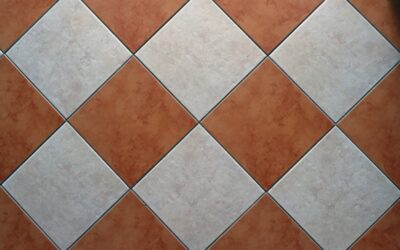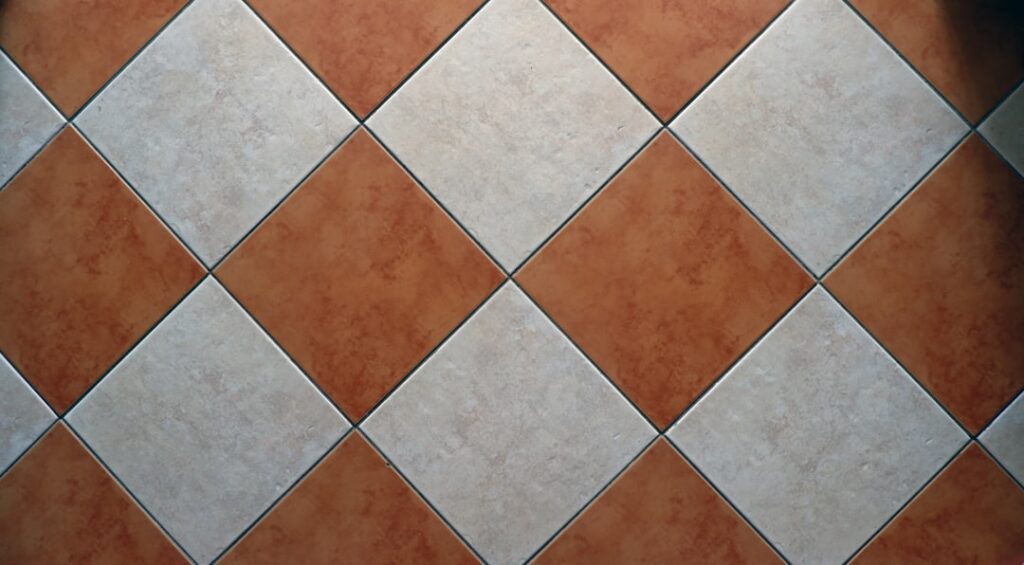
Most people hear “grout” and picture the lines between bathroom tiles, but structural grout is a completely different material with a serious job: carrying loads. This is the high-strength, flowable material engineers specify to fill the gap under a steel column base plate, anchor heavy machinery, or repair cracked concrete so the fix can bear weight again. Get it wrong and a foundation or piece of equipment can settle, shift, or fail.
Part of our Tile & Grout guide — explore the full guide →
Understanding what separates structural grout from ordinary tile grout, and knowing which product fits which job, helps homeowners, DIYers, and pros avoid costly mistakes on load-bearing work.
- What Makes Grout "Structural"?
- Common Types of Structural Grout
- Where Structural Grout Is Used
- Mixing and Placing It Correctly
- Structural Grout vs. Regular Grout and Mortar
- Safety and When to Call a Pro
- Flowable vs. Dry-Pack Consistency
- Estimating How Much You Need
- Curing and Strength Timeline
- The Bottom Line
What Makes Grout “Structural”?
Tile grout fills decorative joints and carries almost no load. Structural grout, by contrast, is engineered to transfer compressive forces from one structural element to another. It typically reaches high compressive strengths, often 5,000 to 10,000 psi or more, and flows into tight cavities without leaving voids that would weaken the connection.
The material is usually a cement-based or epoxy-based formula with tightly controlled particle size and additives that reduce shrinkage. Low shrinkage is critical: if the grout pulls away from the surfaces it is bonding, the load path breaks and the connection fails. That focus on strength, flow, and dimensional stability is what defines the category.
Common Types of Structural Grout
Different jobs demand different chemistries. The three families below cover most applications.
Non-Shrink Cementitious Grout
The workhorse of structural grouting. This cement-based grout uses expansive additives to counteract normal shrinkage, so it stays in full contact with the surfaces it fills. It is used under base plates, in anchor-bolt pockets, and for machine bases. It is economical, fire-resistant, and comes in flowable and dry-pack consistencies.
Epoxy Grout
Where chemical resistance, high impact loads, or vibration are concerns, epoxy structural grout takes over. It bonds aggressively, resists oils and solvents, and handles dynamic loads from heavy rotating equipment. It costs far more than cementitious grout and has a limited working time, so it is reserved for demanding industrial settings.
High-Strength Repair Grout and Micro-Concrete
For patching structural concrete, filling large cavities, or repairing spalled columns, contractors use flowable micro-concrete grouts that include fine aggregate. These build back structural sections and can be poured or pumped into forms.
Where Structural Grout Is Used
The applications share one theme: something heavy needs solid, void-free support. Common uses include:
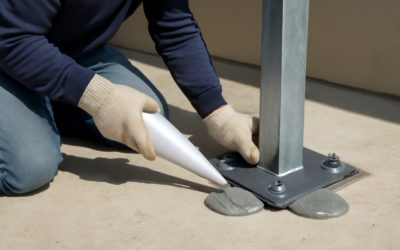
- Column base plates: Filling the gap between a steel column’s base plate and its concrete foundation so loads transfer evenly.
- Machine and equipment bases: Anchoring pumps, presses, and generators to resist vibration and keep alignment.
- Anchor bolts and dowels: Locking bolts and rebar into drilled holes or pockets.
- Precast connections: Grouting joints and keyways between precast concrete panels and beams.
- Concrete repair: Restoring load capacity to cracked or spalled structural members.
- Post-tensioning ducts: Filling the ducts around tensioned cables to protect and bond them.
Mixing and Placing It Correctly
Structural grout only performs if you follow the manufacturer’s directions exactly. The water ratio is not a suggestion; adding extra water to make cement grout flow easier lowers its strength and increases shrinkage, which defeats the entire purpose. Measure the water precisely and mix to the specified consistency.
General Placement Steps
- Prepare the surfaces: clean, roughen, and, for cementitious grout, pre-soak concrete so it does not steal water from the mix.
- Build forms tight enough to hold the grout without leaking, with a head box on one side to maintain flow pressure.
- Mix mechanically to a uniform, lump-free consistency.
- Place from one side only, letting the grout push air ahead of it to avoid trapped voids.
- Do not vibrate flowable grouts excessively, which can cause segregation.
- Cure per instructions, keeping cementitious grout damp so it gains full strength.
Structural Grout vs. Regular Grout and Mortar
It helps to see the distinctions side by side. Tile grout fills joints and resists water but carries no meaningful load. Mortar bonds masonry units together and does bear some load, but it is not formulated for the precise, high-strength, non-shrink performance of a base-plate grout. Structural grout is the only one of the three designed specifically to transfer heavy compressive loads into a foundation without settling.
Because of that, you never substitute one for another. Using tile grout under a column or ordinary mortar to set an anchor bolt invites failure. Match the material to the structural demand.
Safety and When to Call a Pro
Any grout that carries structural load should follow an engineer’s specification. For anchoring a piece of equipment or repairing decorative concrete, a knowledgeable DIYer can handle non-shrink grout by following the datasheet closely. But for foundations, columns, load-bearing repairs, or anything that supports people or heavy machinery, hire a structural engineer and an experienced contractor. The cost of correct placement is trivial next to the cost of a failed connection.
Flowable vs. Dry-Pack Consistency
Structural grout is placed in two main consistencies, and choosing the right one depends on the gap you are filling. Flowable grout is mixed thin enough to pour or pump and self-levels into tight cavities, making it the standard for base plates and machine bases where you cannot reach in to pack the space. It flows under the plate and fills every void when placed correctly from one side.
Dry-pack grout is a stiffer, low-water mix hand-packed into place with a rod and hammer. It is used where a very high early strength is needed or where a flowable mix would run out of an open-sided pocket. Dry-pack demands more skill to place void-free, so flowable grout is the more forgiving choice for most jobs. Matching consistency to the application prevents the trapped-air voids that undermine a load-bearing connection.
Estimating How Much You Need
Ordering the right quantity avoids a failed pour half-finished. Calculate the volume of the cavity in cubic feet, length times width times depth, then convert to the yield listed on the product bag. Manufacturers print yield per bag at a given consistency, and flowable mixes yield slightly more volume than stiff ones because of the added water.
Always buy 10 to 15 percent extra to account for spillage, form leakage, and the head box you keep filled during placement. Running short mid-pour forces a cold joint that can weaken the connection, so it is far better to have an extra bag on hand than to stop and remix. For large or critical pours, confirm your estimate against the engineer’s specification and the manufacturer’s technical data sheet.
Curing and Strength Timeline
Structural grout does not reach full strength the moment it sets, and rushing to load a connection early can compromise it. Cementitious grout typically develops usable strength within 24 hours but continues gaining strength for days, often reaching its rated compressive strength at 28 days like standard concrete. Manufacturers publish strength-gain charts showing values at 1, 3, 7, and 28 days.
Epoxy grout cures faster in many cases, sometimes reaching high strength within a day, but it is sensitive to temperature and working time. Cold conditions slow cementitious curing, while heat speeds it and shortens the window for placement. Keep cement-based grout damp during the early curing period so it does not dry out and lose strength. Before applying significant loads, confirm the required cure time against the product data sheet and the engineer’s specification, since loading too soon is a common and avoidable cause of failure.
The Bottom Line
Structural grout is a specialized, high-strength, non-shrink material that keeps heavy loads supported and connections sound. Choose non-shrink cementitious grout for most base-plate and anchoring jobs, epoxy grout for chemical or vibration-heavy environments, and micro-concrete for larger repairs. Follow the mix and placement instructions to the letter, and when the load matters, get an engineer involved. Done right, it forms an invisible but critical link in the strength of a structure.