Stucco siding is one of the oldest and most durable exterior finishes available, used on homes for centuries across climates ranging from the Mediterranean to the American Southwest. Made from a mixture of cement, sand, lime, and water, stucco creates a hard, seamless exterior shell that resists fire, insects, and rot while offering a distinctive textured appearance.
In this guide, we cover everything homeowners need to know about stucco siding — the different types, installation process, costs, maintenance requirements, common problems, and how stucco compares to other popular siding materials like vinyl, fiber cement, and brick.
What Is Stucco Siding?
Stucco is a cement-based exterior plaster applied in multiple coats over a wire mesh (lath) attached to the home’s structural sheathing. When cured, it forms a hard, monolithic shell that is fire-resistant, pest-proof, and highly durable. Traditional stucco has been used for over 7,000 years — some of the earliest examples survive on ancient buildings in the Middle East and Mediterranean.
Modern stucco comes in two main forms: traditional (Portland cement-based) and synthetic (EIFS — Exterior Insulation and Finish System). Both create a similar appearance but differ significantly in composition, installation, and performance.
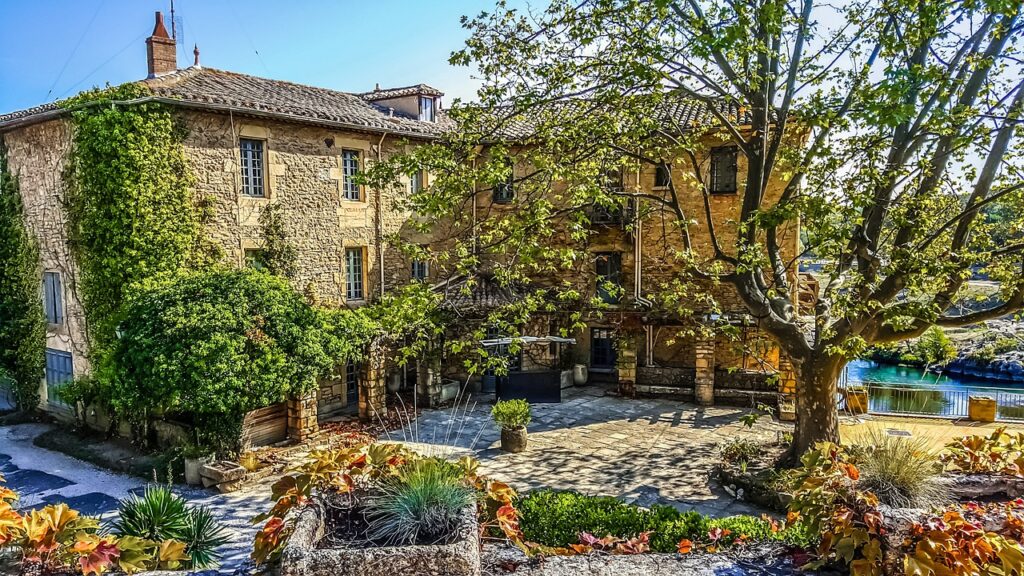
Stucco is especially popular in the American Southwest, Florida, California, and Mediterranean-inspired architectural styles. It pairs well with tile roofing, arched doorways, and warm earth-tone color palettes.
Types of Stucco
| Type | Composition | Thickness | Best For | Cost Range |
|---|---|---|---|---|
| Traditional (3-coat) | Portland cement, sand, lime, water | 7/8 inch (3 coats) | New construction, durability, fire zones | $6 – $12/sq ft installed |
| One-coat stucco | Portland cement + fiberglass fibers | 3/8 – 1/2 inch | Budget projects, retrofits | $4 – $8/sq ft installed |
| Synthetic (EIFS) | Foam insulation + acrylic finish coat | 1 – 4 inches (with insulation) | Energy efficiency, commercial buildings | $8 – $15/sq ft installed |
Traditional 3-Coat Stucco
The most common and proven method. Three layers are applied over metal lath: a scratch coat (base), a brown coat (leveling), and a finish coat (texture and color). Each layer cures before the next is applied, resulting in a total thickness of approximately 7/8 inch. This produces the strongest, most crack-resistant stucco finish.
One-Coat Stucco
A newer, faster method that uses a single thick application of fiber-reinforced Portland cement. While faster and cheaper to apply, one-coat stucco is slightly more prone to cracking than traditional 3-coat. It is commonly used in residential construction where cost and speed are priorities.
Synthetic Stucco (EIFS)
EIFS (Exterior Insulation and Finish System) uses foam insulation boards attached to the sheathing, covered with a fiberglass mesh and finished with an acrylic-based coating. It provides superior insulation (R-values of 4-8+) but is more susceptible to moisture intrusion if not properly installed with a drainage plane. Modern EIFS with drainage channels have largely resolved the moisture issues that plagued early installations.
Stucco Finish Textures
| Finish | Description | Best For |
|---|---|---|
| Smooth | Flat, uniform surface with minimal texture | Modern & contemporary homes |
| Sand (float) | Fine, sandpaper-like texture | Traditional homes, easy to patch |
| Dash | Rough, bumpy texture created by throwing stucco | Spanish/Mediterranean styles |
| Lace (skip trowel) | Irregular, lace-like pattern with flat and raised areas | Southwestern & Tuscan homes |
| Cat face (California) | Smooth base with randomly spaced rough spots | California ranch & tract homes |
| Santa Barbara | Ultra-smooth, hand-troweled finish | High-end custom homes |
| Worm (swirl) | Circular or arching swirl pattern | Decorative accent areas |
Pros & Cons
| Pros | Cons |
|---|---|
| Extremely durable — lasts 50-80+ years | Prone to cracking, especially in regions with freeze-thaw cycles |
| Fire-resistant (1-hour fire rating) | Difficult and costly to repair (matching texture is tricky) |
| Pest-proof — termites, ants, woodpeckers cannot damage it | Moisture can become trapped behind if not installed properly |
| Energy efficient — provides thermal mass | Not ideal for very wet climates (Pacific Northwest, etc.) |
| Seamless, monolithic appearance | Higher installation cost than vinyl siding |
| Highly customizable colors and textures | Requires skilled labor for quality installation |
| Low maintenance once installed | Can stain from sprinklers, hard water, and dirt |
Installation Process
Step 1: Prepare the Wall
Install two layers of building paper (or a modern weather-resistant barrier) over the structural sheathing. This acts as a moisture barrier behind the stucco.
Step 2: Attach Metal Lath
Nail or screw galvanized metal lath (expanded metal mesh) to the sheathing. The lath provides a surface for the stucco to bond to and reinforces the coating against cracking.
Step 3: Apply Scratch Coat
Trowel the first layer (approximately 3/8 inch thick) onto the lath. Score horizontal lines into the wet surface to give the next coat something to grip. Allow to cure for 24-48 hours.
Step 4: Apply Brown Coat
Apply the second layer (approximately 3/8 inch thick) over the cured scratch coat. This coat is leveled and straightened to create a uniform surface for the finish coat. Cure for 7 days, misting with water periodically to prevent cracking.
Step 5: Apply Finish Coat
The final coat (approximately 1/8 inch thick) provides the visible texture and color. Pigment can be mixed into the finish coat for integral color, or the surface can be left natural and painted after curing. Different troweling and application techniques create the various finish textures described above.
Step 6: Curing
Traditional stucco takes 28 days to fully cure. During this period, lightly misting the surface with water helps prevent shrinkage cracking and produces a stronger finish.
Cost Breakdown
| Component | Cost per Sq Ft | 1,500 Sq Ft Home (exterior) |
|---|---|---|
| Materials (traditional 3-coat) | $2 – $4 | $3,000 – $6,000 |
| Labor (traditional 3-coat) | $4 – $8 | $6,000 – $12,000 |
| Total — traditional stucco | $6 – $12 | $9,000 – $18,000 |
| Total — one-coat stucco | $4 – $8 | $6,000 – $12,000 |
| Total — synthetic EIFS | $8 – $15 | $12,000 – $22,500 |
| Stucco repair (small patch) | N/A | $200 – $800 per patch |
| Full repaint | $1.50 – $4 | $2,250 – $6,000 |
Stucco vs. Other Siding Materials
| Feature | Stucco | Vinyl Siding | Fiber Cement (Hardie) | Brick |
|---|---|---|---|---|
| Installed cost/sq ft | $6 – $12 | $3 – $7 | $6 – $13 | $10 – $25 |
| Lifespan | 50 – 80+ years | 20 – 40 years | 40 – 50+ years | 100+ years |
| Fire resistance | Excellent (1-hour rated) | Melts (not fire-resistant) | Excellent | Excellent |
| Maintenance | Low (seal cracks, repaint every 5-10 yrs) | Very low (wash only) | Low (repaint every 10-15 yrs) | Very low (repoint mortar every 25+ yrs) |
| Moisture performance | Good in dry climates; risky in wet | Good (with house wrap) | Good | Excellent |
| Insect resistance | Excellent | Good | Excellent | Excellent |
| Curb appeal | High (Mediterranean, modern) | Moderate | High | Very high |
| DIY friendly | No (skilled trade) | Yes | Moderate | No (skilled trade) |
Maintenance Guide
- Inspect annually: Walk the perimeter of your home each spring looking for cracks, stains, and areas where stucco has separated from the wall. Catch small issues before they become expensive repairs
- Seal cracks promptly: Small hairline cracks are normal and cosmetic. Cracks wider than 1/16 inch should be sealed with an elastomeric caulk to prevent moisture intrusion
- Power wash carefully: Clean stucco with a pressure washer set to 1,500-2,000 PSI using a 25-degree or 40-degree nozzle. Higher pressure can damage the surface. Clean every 1-2 years to remove dirt, mildew, and algae
- Repaint every 5-10 years: Stucco paint fades and weathers over time. Use elastomeric paint designed for stucco — it stretches to bridge hairline cracks and provides superior moisture protection
- Maintain caulking: Re-caulk joints where stucco meets windows, doors, trim, and other materials every 3-5 years. Failed caulk is the most common source of moisture problems behind stucco
- Keep sprinklers away: Adjust irrigation sprinklers so they do not spray stucco walls. Constant water exposure causes efflorescence (white mineral deposits), algae growth, and eventual moisture damage
Common Stucco Problems
| Problem | Cause | Solution | Repair Cost |
|---|---|---|---|
| Hairline cracks | Normal curing shrinkage, settling | Cosmetic — fill with elastomeric caulk or paint | $0 – $50 (DIY) |
| Structural cracks | Foundation movement, seismic activity | Address foundation issue first, then repair stucco | $500 – $5,000+ |
| Efflorescence (white deposits) | Water dissolving mineral salts in the stucco | Clean with vinegar solution; address moisture source | $0 – $100 (DIY) |
| Staining (brown/green) | Hard water, algae, mildew | Pressure wash; treat with mildew cleaner | $0 – $200 (DIY or service) |
| Bubbling/bulging | Moisture trapped behind stucco | Remove affected section, fix moisture source, re-apply | $500 – $3,000 |
| Delamination (peeling from wall) | Poor installation, moisture damage | Remove and reapply affected section | $1,000 – $5,000 |
Painting Stucco
Painting stucco is the best way to refresh its appearance and add a layer of moisture protection. Follow these guidelines:
- Wait to paint new stucco: New stucco must cure for at least 28 days (ideally 60-90 days) before painting. Painting too early traps moisture and causes peeling
- Use elastomeric paint: Elastomeric masonry paint is the gold standard for stucco. It stretches up to 300% to bridge hairline cracks, is waterproof, and breathes to allow moisture vapor to escape
- Prep the surface: Pressure wash, fill cracks with caulk, and apply a masonry primer before painting
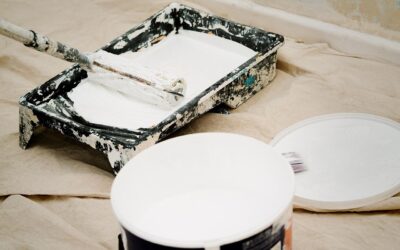
- Apply with a thick-nap roller: Stucco’s textured surface requires a 3/4-inch to 1-inch nap roller to work paint into all the crevices. Two coats are recommended for complete coverage
- Choose colors that complement your style: Warm earth tones (tan, terracotta, cream) suit Mediterranean and Southwestern homes. Cool whites and grays work for modern and contemporary styles
Frequently Asked Questions
How long does stucco siding last?
Traditional 3-coat stucco lasts 50 to 80+ years with proper maintenance. Some stucco homes built in the early 1900s still have their original exterior intact. The key longevity factors are proper installation (especially the moisture barrier behind the stucco), prompt crack repair, and regular repainting every 5-10 years.
Is stucco siding expensive?
Stucco costs $6 to $12 per square foot installed, placing it in the mid-range for siding materials. It is more expensive than vinyl ($3-$7) but comparable to fiber cement ($6-$13) and significantly cheaper than brick ($10-$25). Given its 50-80+ year lifespan, stucco’s cost per year of service is very competitive.
Can stucco be applied over existing siding?
Stucco can be applied over some existing materials (concrete block, brick, existing stucco) but generally should not be applied over wood or vinyl siding. The existing siding would need to be removed to install the required moisture barrier, lath, and three stucco coats properly.
Is stucco good for humid climates?
Traditional stucco performs best in dry and semi-arid climates. In humid regions with heavy rainfall (like the Pacific Northwest or Southeast), stucco can develop moisture problems if the drainage plane behind it is not properly installed. Modern stucco installations with rainscreen systems and proper flashing perform well in any climate, but the installation must be done correctly.
Can I repair stucco myself?
Small repairs (hairline cracks, minor chips) are manageable DIY projects using pre-mixed stucco patch and elastomeric caulk. Larger repairs involving multiple square feet of damaged stucco should be done by a professional because matching the existing texture is difficult without experience. Improper repairs are obvious and reduce curb appeal.
Does stucco increase home value?
Stucco in good condition is viewed positively by home buyers and adds to curb appeal, especially in markets where it is the norm (Southwest, California, Florida). Conversely, stucco in poor condition with visible cracks, staining, or moisture damage can be a red flag that deters buyers. Regular maintenance protects both the siding and your home’s value.
How does stucco compare to hardwood or composite siding?
Stucco and wood/composite siding serve the same purpose but have very different aesthetics and performance. Stucco is monolithic and seamless; wood siding has visible lap lines and a warmer, more traditional feel. Stucco is fireproof and pest-proof; wood siding requires treatment against both. For interior flooring and exterior siding alike, the best material depends on your climate, budget, and design preference.